
The Numbers
- Over 500 hectares of pristine coastal land are slated for development, representing a significant portion of undeveloped shoreline in the region, raising concerns about irreversible habitat loss for numerous endemic species.
- An estimated investment of $500 million is projected for the resort complex, a figure that critics argue vastly outweighs the potential long-term environmental and social benefits for local communities, especially when considering the ecological costs.
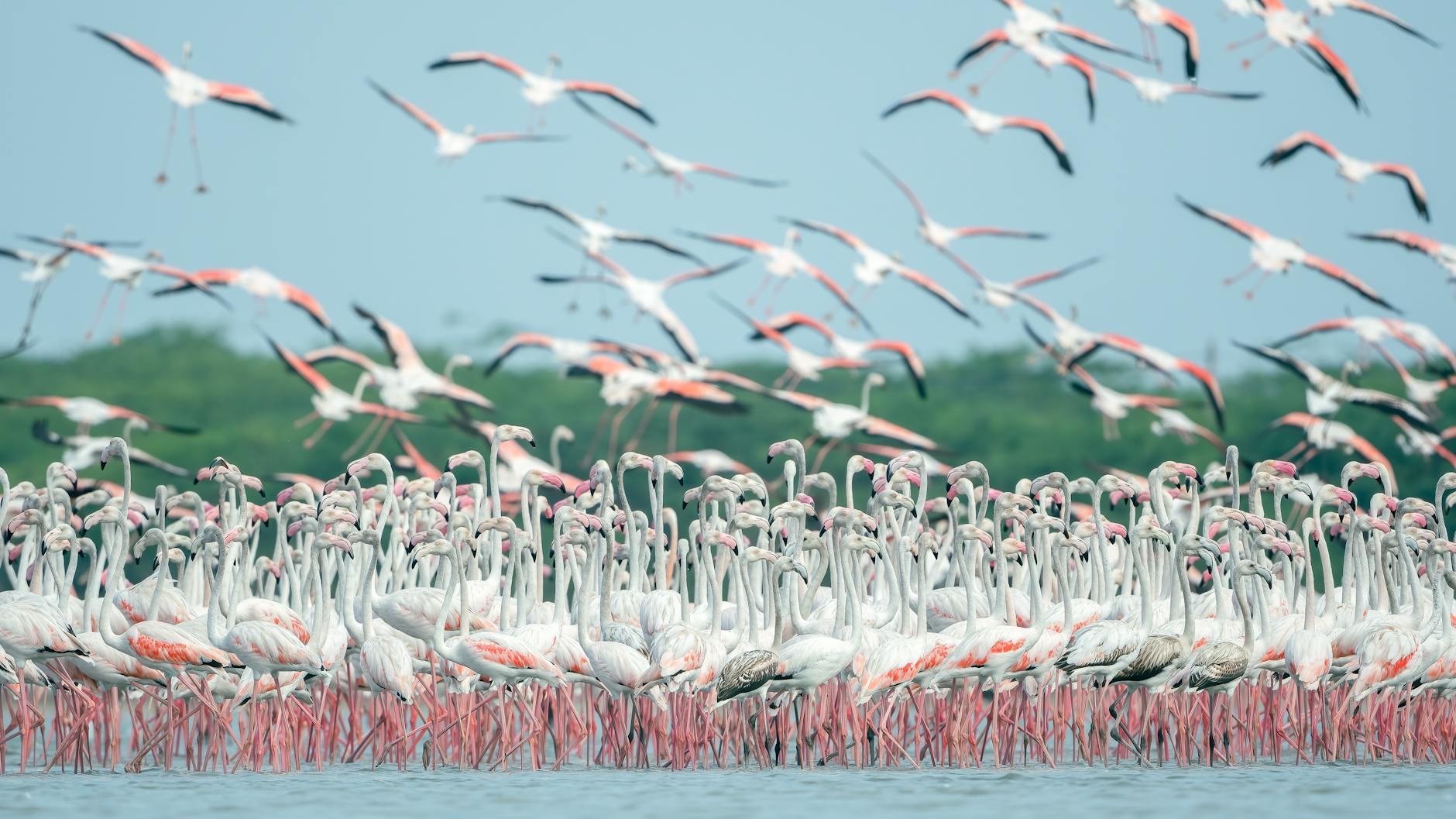
- At least 15 endangered or protected species, including migratory birds and marine life, inhabit the proposed development zone, facing immediate threats to their survival due to habitat destruction and increased human activity.
- More than 2,000 local residents have signed petitions and participated in protests, demonstrating a strong community opposition to the project and a unified call for greater environmental protection and transparent governance.
- The Albanian government has fast-tracked the approval process, bypassing standard environmental impact assessments and public consultations, which has fueled accusations of cronyism and a disregard for established conservation protocols.
- Approximately 80% of the projected jobs are expected to be seasonal or low-skilled, leading environmental advocates to question the true economic benefit for long-term local employment compared to the permanent ecological damage.
Context Check
The proposed luxury resort development on Albania's southern coast has ignited a fierce debate, pitting economic aspirations against urgent environmental preservation. Proponents highlight the potential for job creation and foreign investment, crucial for a nation seeking to bolster its economy. However, a growing chorus of environmentalists, local communities, and international observers are raising serious red flags. They point to the project's location within a sensitive ecological zone, home to diverse flora and fauna, including critical habitats for endangered species. The scale of the proposed development, encompassing hotels, golf courses, and private residences, raises profound questions about its sustainability and the long-term impact on the delicate coastal ecosystem. The rapid pace at which approvals have been granted, often bypassing rigorous environmental reviews, further intensifies concerns about transparency and potential corruption.
This initiative is part of a broader trend in the Western Balkans, where governments are increasingly looking to tourism and foreign investment as drivers of economic growth. While such developments can offer tangible benefits, the specific context of Albania’s coastline, renowned for its unspoiled beauty and biodiversity, demands a particularly cautious approach. The involvement of international investors, including figures like Jared Kushner, brings both capital and scrutiny. Critics argue that the allure of significant financial backing can sometimes overshadow environmental responsibilities, leading to rushed decisions and compromised regulations. The Albanian government's strategy appears to prioritize rapid development, potentially at the expense of environmental safeguards that are essential for preserving the natural heritage that makes the region attractive in the first place.
The 'flamingo revolution,' as some activists have dubbed their movement, is not merely a localized protest but a symbol of a larger struggle for sustainable development across the region. It underscores the tension between the immediate economic gains promised by large-scale projects and the long-term ecological and social costs that may follow. The resistance highlights a growing awareness among citizens about their right to a healthy environment and their demand for greater accountability from both government officials and international investors. The outcome of this conflict could set a precedent for future development projects in Albania and neighboring countries, influencing how economic growth is balanced with the imperative of environmental protection.
Background
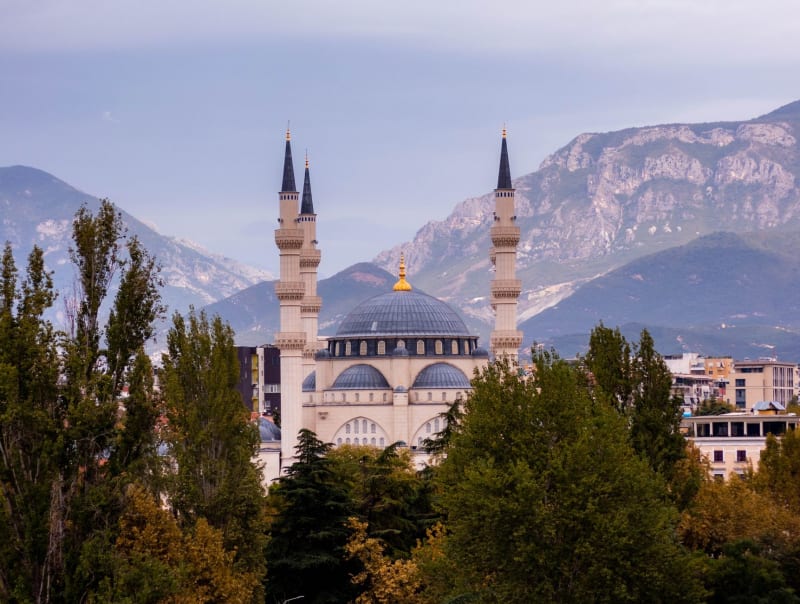
Albania's coastline, particularly its southern Riviera, has long been celebrated for its breathtaking natural beauty, characterized by pristine beaches, crystal-clear waters, and a rich tapestry of biodiversity. This region has remained relatively untouched by mass tourism compared to other Mediterranean destinations, preserving its unique ecological balance and cultural heritage. However, this very untouched quality has made it an attractive target for large-scale development projects aimed at boosting the national economy through tourism. The government has actively sought foreign investment, viewing projects like the proposed resort as a means to generate revenue, create employment, and elevate Albania's profile on the international tourism map. This strategic push for development, while understandable from an economic perspective, has inevitably placed significant pressure on the environment and local communities.
The specific site under scrutiny is known for its ecological significance, serving as a vital habitat for various bird species, including flamingos and other migratory birds, as well as marine life. Environmental organizations have consistently warned about the fragility of these ecosystems and the potential for irreversible damage from extensive construction and increased human activity. The proposed resort complex, with its extensive infrastructure including hotels, villas, golf courses, and supporting facilities, would necessitate substantial land alteration, potentially leading to habitat fragmentation, pollution, and disruption of natural water cycles. The long-term consequences for biodiversity and the overall health of the coastal environment are a primary concern for those opposing the project.
The involvement of international investors, notably figures associated with former US President Donald Trump's administration, has added a layer of political complexity and public interest to the project. While investors often emphasize the economic benefits and adherence to regulations, critics frequently raise questions about the transparency of the bidding process, the adequacy of environmental impact assessments, and the potential for preferential treatment. This situation is not unique to Albania; many developing nations grapple with balancing the influx of foreign capital with the need to protect their natural resources and ensure equitable development for their citizens. The current controversy highlights the challenges in achieving this balance, especially when powerful economic interests intersect with environmental vulnerabilities.
Winners and Losers
The primary beneficiaries, at least in theory, are the investors and the Albanian government, which anticipates substantial revenue from foreign direct investment and potential tax income. Developers stand to gain immensely from transforming a large tract of undeveloped coastal land into a high-value resort, capitalizing on Albania's growing appeal as a tourist destination. The government, eager to showcase economic progress and attract more foreign capital, sees this project as a flagship achievement that could spur further development and improve the nation's economic standing. They may also benefit from the political capital associated with securing such a high-profile international investment, portraying themselves as effective economic managers.
Conversely, the most significant losers are likely to be the local environment and its inhabitants. The pristine coastal ecosystem, with its unique biodiversity and natural beauty, faces irreversible degradation. This includes the destruction of habitats for endangered species, potential pollution of marine and freshwater sources, and the disruption of natural landscapes. Local communities, particularly those reliant on traditional livelihoods such as fishing or small-scale agriculture, may find their way of life threatened. Furthermore, if the promised jobs are indeed predominantly low-skilled and seasonal, and if profits are repatriated rather than reinvested locally, the long-term economic benefits for the majority of Albanians could be minimal, while the environmental costs are permanent.
The debate also positions environmental activists and conservationists as potential losers if the project proceeds without adequate safeguards, as their efforts to protect natural heritage would be undermined. However, if they succeed in halting or significantly modifying the project, they could emerge as winners, having successfully defended crucial ecological areas. The broader Albanian public could also be considered losers if the development leads to environmental damage that diminishes the country's natural appeal and the long-term sustainability of its tourism sector, while only a select few reap substantial rewards. The transparency and fairness of the development process itself are also at stake, with citizens potentially losing faith in governance if the project is perceived as benefiting a select group at the expense of the common good.
Analyst Perspectives
Environmental analysts are expressing grave concerns about the cumulative impact of large-scale coastal developments on Albania's fragile ecosystems. They emphasize that the proposed resort, while potentially offering short-term economic gains, risks long-term ecological damage that could cripple the region's natural capital. 'Albania's coastline is a unique asset, not just for tourism but for biodiversity and climate resilience. Sacrificing it for a single development project, especially one with questionable environmental oversight, is a short-sighted strategy that ignores the principles of sustainable development,' stated Dr. Elira Hoxha, an ecologist specializing in Mediterranean coastal zones. Experts point to the potential for habitat fragmentation, increased pollution from construction and operation, and the disruption of vital ecological corridors for migratory species.
Economic analysts are divided, with some focusing on the potential for foreign investment to stimulate growth, while others caution against the 'resource curse' and the risks of enclave tourism. 'While the headline investment figures are impressive, we need a deeper analysis of the net economic benefit for Albania,' commented financial analyst Besnik Kola. 'Are the jobs created sustainable? Is the revenue generated truly reinvested in local communities, or does it primarily benefit foreign entities? Furthermore, the long-term economic viability of such resorts can be threatened by environmental degradation, which ultimately undermines the very appeal of the destination.' The lack of transparency in the deal's specifics further fuels skepticism about its true economic advantages for the nation.
Political scientists and governance experts highlight the broader implications for Albania's democratic institutions and its relationship with international investors. They note that rushed approvals and circumvented environmental regulations can erode public trust and create precedents for future projects. 'This situation is a litmus test for Albania's commitment to good governance and environmental stewardship,' observed political analyst Sokol Shiroka. 'When powerful international interests are involved, it becomes crucial for governments to uphold the rule of law, ensure transparency, and prioritize the public interest, including environmental protection, over potentially lucrative but damaging deals. The 'flamingo revolution' reflects a growing demand for accountability and a more equitable development model.'

Key Questions Explained
The Outlook
The future of the proposed resort hinges on a complex interplay of political will, legal challenges, and sustained public pressure. Activists are determined to continue their campaign, exploring all avenues to halt or significantly alter the project, including legal challenges based on environmental regulations and land use policies. They are also intensifying efforts to raise international awareness, hoping that external scrutiny will compel greater accountability from both the investors and the Albanian government. The success of their movement may depend on their ability to mobilize broader public support and to present a compelling case for alternative, sustainable development models that respect the region's ecological and cultural heritage.
From an economic perspective, the project's viability could be affected by shifts in global investment trends, potential reputational risks associated with environmental controversies, and the long-term sustainability of mass tourism models. Investors may reassess their commitment if faced with significant delays, legal hurdles, or sustained negative publicity. The Albanian government faces a critical decision: continue to prioritize rapid development and foreign investment, potentially at the cost of environmental damage and public discontent, or pivot towards a more balanced approach that integrates conservation and community well-being into its economic strategy. The latter could foster more sustainable long-term growth and international goodwill.
Ultimately, the outcome will likely shape Albania's approach to future development projects along its valuable coastline. A victory for the environmental movement could usher in an era of stricter environmental protections and more community-centric planning, setting a precedent for responsible development. Conversely, if the project proceeds largely as planned, it could signal a willingness to sacrifice natural assets for economic gains, potentially leading to further environmental degradation and social division. The 'flamingo revolution' represents a pivotal moment, challenging Albania to define its path forward: one of unchecked development or one of sustainable prosperity that cherishes its natural legacy.












Comments
No comments yet. Be the first to comment!