

What We Know
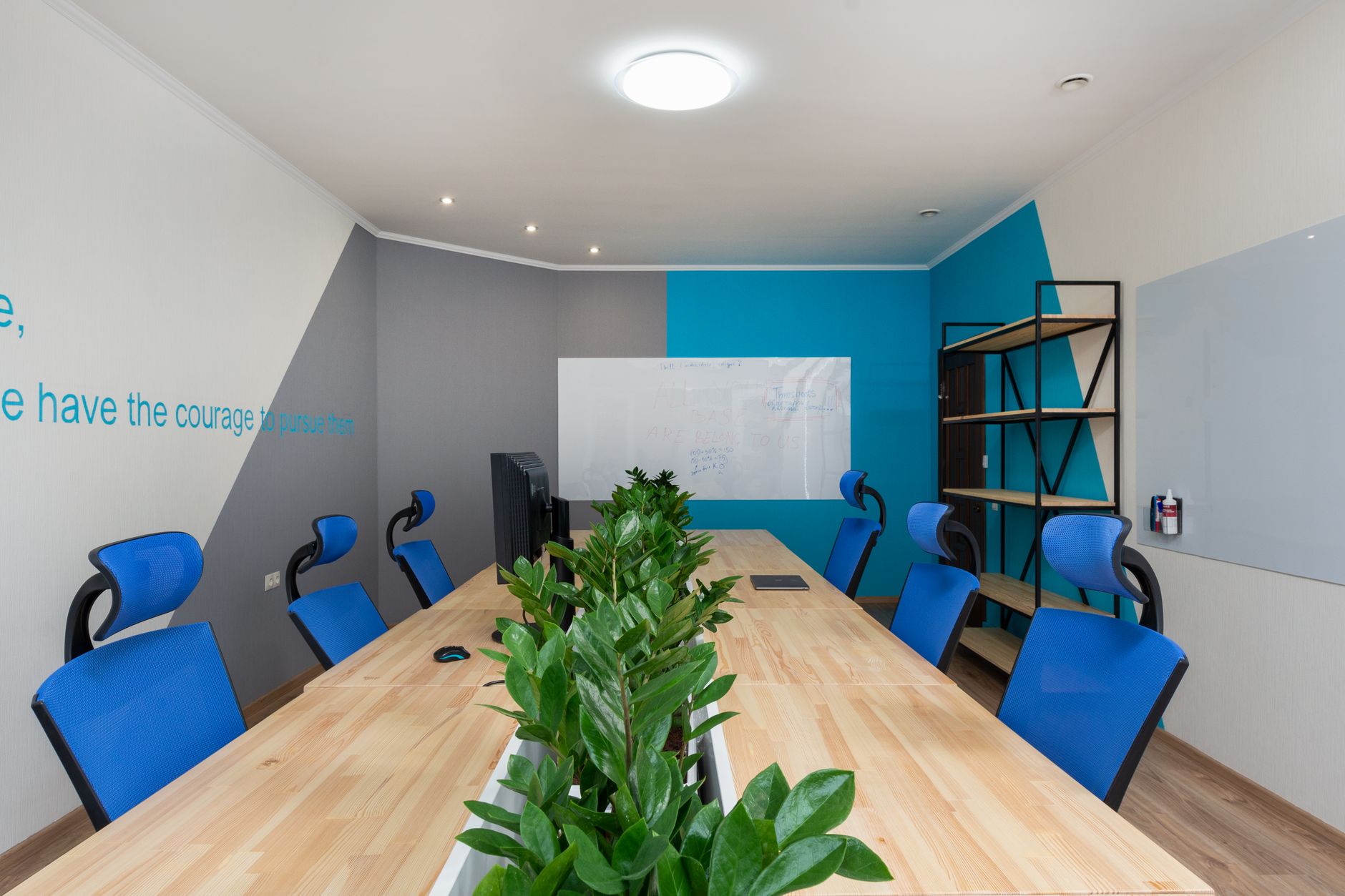
- Both Goldman Sachs and Morgan Stanley have significantly updated their main office lobbies with decor inspired by SpaceX and the broader space exploration movement, featuring models, imagery, and thematic elements.
- This trend extends beyond mere office aesthetics, suggesting a potential alignment of corporate identity with the innovation, ambition, and forward-thinking ethos associated with pioneering space ventures.
- The choice of SpaceX as a muse is notable, given its disruptive approach to aerospace and its high-profile successes in reusable rocket technology and ambitious interplanetary goals.
- Financial institutions are increasingly seeking to project an image of cutting-edge thinking and technological prowess, and aligning with a symbol of modern technological achievement like SpaceX serves this purpose effectively.
- The integration of such themes into the physical workspace aims to inspire employees, impress clients, and reinforce the company's brand narrative as one that embraces bold challenges and future possibilities.
- This phenomenon indicates a growing cultural intersection between the traditionally conservative financial sector and the dynamic, high-stakes world of advanced technology and space commerce.
What We Do Not Know Yet
- The precise financial investment made by each institution in these lobby renovations and the long-term budget allocated for maintaining these thematic displays remains undisclosed.
- It is unclear whether this trend is a coordinated effort or an independent decision by each firm's respective leadership, and what specific metrics, if any, are being used to evaluate its success.
- The extent to which employees themselves resonate with or are influenced by this new lobby environment, beyond initial curiosity, is not yet documented through internal surveys or feedback.
- Whether this aesthetic shift translates into tangible business outcomes, such as attracting new talent, fostering innovation, or influencing investment strategies related to the space sector, is yet to be determined.
- The specific contractual agreements or partnerships, if any, that exist between these financial giants and SpaceX or other aerospace companies that might inform this design choice are not publicly known.
- Future plans for expanding this thematic integration to other office locations or incorporating interactive elements within the lobbies have not been detailed by either Goldman Sachs or Morgan Stanley.
Background
The financial industry, historically characterized by its traditionalism and conservative outlook, has often been perceived as somewhat detached from the tangible frontiers of technological innovation. However, in recent years, a noticeable shift has been occurring. Major players like Goldman Sachs and Morgan Stanley, institutions synonymous with global finance and market influence, are beginning to publicly embrace symbols of cutting-edge technological ambition. The most striking manifestation of this evolving corporate identity is the recent transformation of their flagship office lobbies into immersive environments inspired by the space exploration sector, particularly the achievements of SpaceX. This move signifies more than just a cosmetic update; it represents a deliberate effort to align the image of these financial powerhouses with the daring, innovative, and future-oriented spirit that defines modern space ventures. By incorporating elements such as detailed rocket models, imagery of celestial bodies, and thematic displays, these firms are aiming to project an aura of progress and ambition that resonates with the contemporary landscape of technological advancement and bold exploration.
SpaceX, founded by Elon Musk, has revolutionized the aerospace industry through its relentless pursuit of ambitious goals, including reusable rocket technology, orbital launches, and the long-term vision of colonizing Mars. Its success has captured global attention, positioning it as a symbol of human ingenuity and the potential for radical technological disruption. For financial institutions, aligning with such a potent symbol offers a strategic advantage. It allows them to distance themselves from dated perceptions and cultivate a brand image that speaks to innovation, risk-taking, and a focus on future growth – qualities highly valued in both the financial and technology sectors. The decision to redecorate lobbies, the primary interface for clients, partners, and potential employees, underscores the importance of this symbolic alignment. It's a powerful visual statement designed to communicate that these firms are not just managing capital but are also deeply connected to the vanguard of human achievement and technological progress, seeking to inspire confidence and excitement about the future.
The integration of space-themed decor into the corporate headquarters of leading financial firms reflects a broader trend of blurring lines between disparate industries. As technology continues to permeate every aspect of business, traditional sectors are increasingly looking to innovative, high-growth industries for inspiration and brand association. This phenomenon is driven by several factors: the desire to attract a new generation of talent fluent in technological concepts, the need to appeal to investors interested in future-oriented markets, and the overarching goal of projecting an image of dynamism and forward-thinking leadership. The choice of SpaceX is particularly astute, given its status as a cultural icon representing audacious goals and groundbreaking engineering. By adopting this aesthetic, Goldman Sachs and Morgan Stanley are essentially attempting to borrow some of that 'cool factor' and innovative cachet, positioning themselves as participants in, or at least strong supporters of, the next wave of human endeavor and technological advancement.
Why It Matters
The adoption of SpaceX-inspired decor by financial titans like Goldman Sachs and Morgan Stanley is far more than a superficial aesthetic choice; it represents a significant cultural signal within the corporate world. It highlights a growing recognition within established financial institutions that their brand image needs to evolve beyond traditional markers of stability and wealth to encompass innovation, technological prowess, and forward-thinking ambition. By embracing the visual language of space exploration, these firms are attempting to connect with a narrative of progress, discovery, and audacious goal-setting that resonates powerfully in the current era. This strategic alignment aims to attract a new generation of talent that is often drawn to disruptive technologies and ambitious projects, signaling that these banks are not just financial intermediaries but are also attuned to the future of human endeavor and technological advancement.
Furthermore, this trend underscores the increasing interconnectedness between the financial sector and the burgeoning space economy. As private companies like SpaceX drive down the costs of space access and open up new commercial opportunities, financial institutions are finding compelling reasons to engage more deeply with this sector. Decorating lobbies with space memorabilia can serve as a subtle yet potent statement of interest and commitment, potentially paving the way for increased investment, advisory services, and financial partnerships within the aerospace and satellite industries. It signals to clients, investors, and the broader market that these firms are not only aware of but are actively embracing the potential of space as a new frontier for economic growth and technological innovation, thereby positioning themselves as key players in facilitating this expansion.
The psychological impact of such an environment on employees and visitors cannot be overstated. Lobbies are often the first point of contact, shaping perceptions and setting the tone for interactions. By creating an atmosphere that evokes the excitement and challenge of space exploration, these financial institutions aim to foster a culture of ambition, curiosity, and problem-solving. This can potentially boost employee morale, encourage creative thinking, and reinforce the idea that the firm is engaged in high-impact, future-defining work. It’s a deliberate attempt to imbue the corporate space with a sense of purpose and inspiration that transcends the day-to-day transactional nature of finance, linking it to humanity's grandest aspirations.
Timeline of Events
- Early 2010s: SpaceX achieves significant milestones, including its first successful orbital launch (Falcon 9 v1.0) and the first successful docking with the International Space Station (ISS), garnering global attention for private spaceflight.
- Mid-2010s: Financial institutions begin to show increased interest in the commercial space sector, with venture capital and investment banking divisions exploring opportunities in satellite technology, launch services, and related infrastructure.
- Late 2010s: Goldman Sachs and Morgan Stanley, among other major banks, start to integrate thematic elements into their corporate branding and internal communications, reflecting a growing awareness of technology's impact on finance.
- 2020-2022: SpaceX achieves major successes, including the first crewed missions (Crew Dragon) and rapid deployment of Starlink satellites, solidifying its position as a leader in the new space race and capturing public imagination.
- 2023-Present: Goldman Sachs and Morgan Stanley undertake significant renovations of their primary office lobbies, consciously choosing to incorporate SpaceX and broader space exploration themes into the physical design and decor.
- Ongoing: Analysts and industry observers continue to monitor the impact of these aesthetic choices on corporate culture, employee engagement, client perception, and potential business development within the space sector.

Rapid-Fire Q&A
What Is Coming
- Increased corporate adoption of thematic decor: Expect other financial institutions and potentially firms in different sectors to follow suit, adopting themes from cutting-edge industries to enhance their brand image and corporate culture.
- Greater financial integration with the space sector: This trend may precede or coincide with increased investment banking activities, venture capital funding, and advisory services directed towards the commercial space industry.
- Focus on talent acquisition and retention: Companies might increasingly use their physical workspace and branding to attract younger generations of employees who are inspired by technology, innovation, and ambitious global projects.
- Evolution of corporate branding: The definition of a strong corporate brand may expand to include associations with innovation, sustainability, and future-oriented endeavors, moving beyond traditional markers of financial success.
- Potential for partnerships and collaborations: The visible alignment with space exploration could lead to more direct collaborations or partnerships between financial institutions and aerospace companies, fostering innovation in both fields.
- Heightened public interest in the intersection of finance and space: This visibility could spark greater public curiosity and discussion about the economic potential of space and the role of finance in enabling its future development.

















Comments
No comments yet. Be the first to comment!