
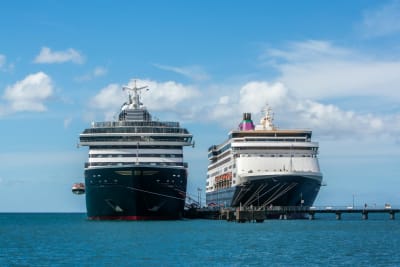
The arrival of the MV Hondius in Rotterdam marks a grim chapter in the long history of maritime disease, a narrative stretching back centuries to the plague ships that once haunted global trade routes. For generations, the sea has been both a highway for commerce and culture, and a conduit for unseen killers. From the devastating impact of smallpox and measles on indigenous populations during the age of exploration to the infamous cholera outbreaks that periodically swept through port cities, the close quarters and shared environments aboard vessels have always presented a potent breeding ground for contagion. This modern-day hantavirus scare aboard a vessel designed for adventure and exploration serves as a stark reminder that even with advanced medical knowledge, the fundamental vulnerabilities of communal living at sea persist, echoing the anxieties of past eras when a single infected sailor could spell doom for an entire port. The current crisis escalated when the hantavirus, a group of viruses primarily transmitted to humans through contact with infected rodents or their excreta, was confirmed among passengers and crew on the MV Hondius. While the virus is not typically spread person-to-person, its presence on a confined vessel undertaking an international voyage triggered immediate alarm bells for public health officials worldwide. The ship, which had been on an expedition cruise, faced difficult decisions regarding its itinerary and passenger disembarkation as the extent of the outbreak became clear. The potential for spread, even if indirect, within the close confines of a cruise ship, combined with the diverse origins of its passengers, presented a complex epidemiological challenge. This incident is particularly significant now due to the heightened global awareness of infectious disease threats, a legacy of the recent COVID-19 pandemic. Governments and international health organizations have become acutely sensitive to the rapid global dissemination of pathogens facilitated by modern travel, especially air and sea routes. The swiftness with which news of the hantavirus detection spread underscores this vigilance. The Rotterdam docking, therefore, is not merely the end of a single ship's voyage but a visible manifestation of the world's ongoing struggle to contain and manage novel health risks in an interconnected age. The meticulous disinfection protocols being implemented are a direct consequence of lessons learned from past widespread outbreaks, aiming to prevent any potential secondary spread. The human element of this story is profound, affecting not only those aboard the MV Hondius but also the communities at its potential destinations and the broader travel industry. Passengers, who likely booked their voyages seeking unique experiences, found themselves instead in a health-related lockdown, their travel plans abruptly derailed and replaced with uncertainty and fear. Crew members, often working under demanding conditions, face the dual stress of managing the outbreak and ensuring passenger safety while also worrying about their own health. Furthermore, the incident casts a shadow over the expedition cruise sector, a niche market that prides itself on reaching remote destinations, raising questions about the efficacy of health screenings and onboard containment measures for such specialized travel. Public reaction, amplified by social media, has been a mix of concern, sympathy, and a degree of apprehension. Images and accounts shared online, often from passengers or their families, paint a vivid picture of the unfolding situation. Hashtags related to the ship and the virus trended as news spread, with users debating the preparedness of cruise lines and the effectiveness of international health regulations. This digital dissemination of information, while often providing immediate updates, also fuels speculation and anxiety, highlighting the dual-edged sword of instant communication in a crisis. It reflects a society increasingly accustomed to transparency, yet also vulnerable to the rapid spread of misinformation during uncertain times. The historical parallel that lends this event a deeper resonance is the infamous voyage of the RMS St. Louis in 1939. While not a disease outbreak, that ship carried Jewish refugees fleeing Nazi Germany and was denied entry by Cuba, the United States, and Canada, ultimately forcing its return to Europe, where many of its passengers perished. The MV Hondius situation, though medically driven, shares the thematic element of a vessel becoming a temporary, unwanted sanctuary, a place where the fate of its occupants is decided by external forces and health considerations, raising questions about humanitarian responses and the responsibilities of nations to those in transit. Several specific measures and figures underscore the seriousness of the situation. The Netherlands, as the designated port of call for disinfection, has extensive experience in handling maritime health emergencies. The MV Hondius, operated by OceanWIDE Expeditions, had been on an Antarctic voyage. The disinfection process itself involves rigorous application of specialized cleaning agents and protocols designed to neutralize viruses. Public health authorities have been working closely with the ship's operators to trace potential contacts and monitor the health of all individuals involved. The fact that hantavirus, while serious, is geographically specific in its primary rodent hosts adds a layer of complexity to international containment efforts, as it requires understanding local epidemiology. Looking ahead, the incident will undoubtedly prompt a thorough review of health protocols for expedition cruise lines. The industry will be scrutinized on its risk assessment procedures, emergency response plans, and the adequacy of onboard medical facilities for handling zoonotic diseases. Passengers considering similar voyages will likely demand greater assurances regarding health and safety. Furthermore, international cooperation in disease surveillance and response at sea will be tested, with potential implications for future travel advisories and port access policies. The successful containment and resolution of this outbreak aboard the MV Hondius will be a critical indicator of our collective ability to manage emerging health threats in the unique environment of global maritime travel.
In Brief
A hantavirus scare aboard the MV Hondius cruise ship has led to its docking in Rotterdam for extensive disinfection, echoing historical maritime health crises and highlighting modern travel's vulnerabilities.Advertisement




Comments
No comments yet. Be the first to comment!