

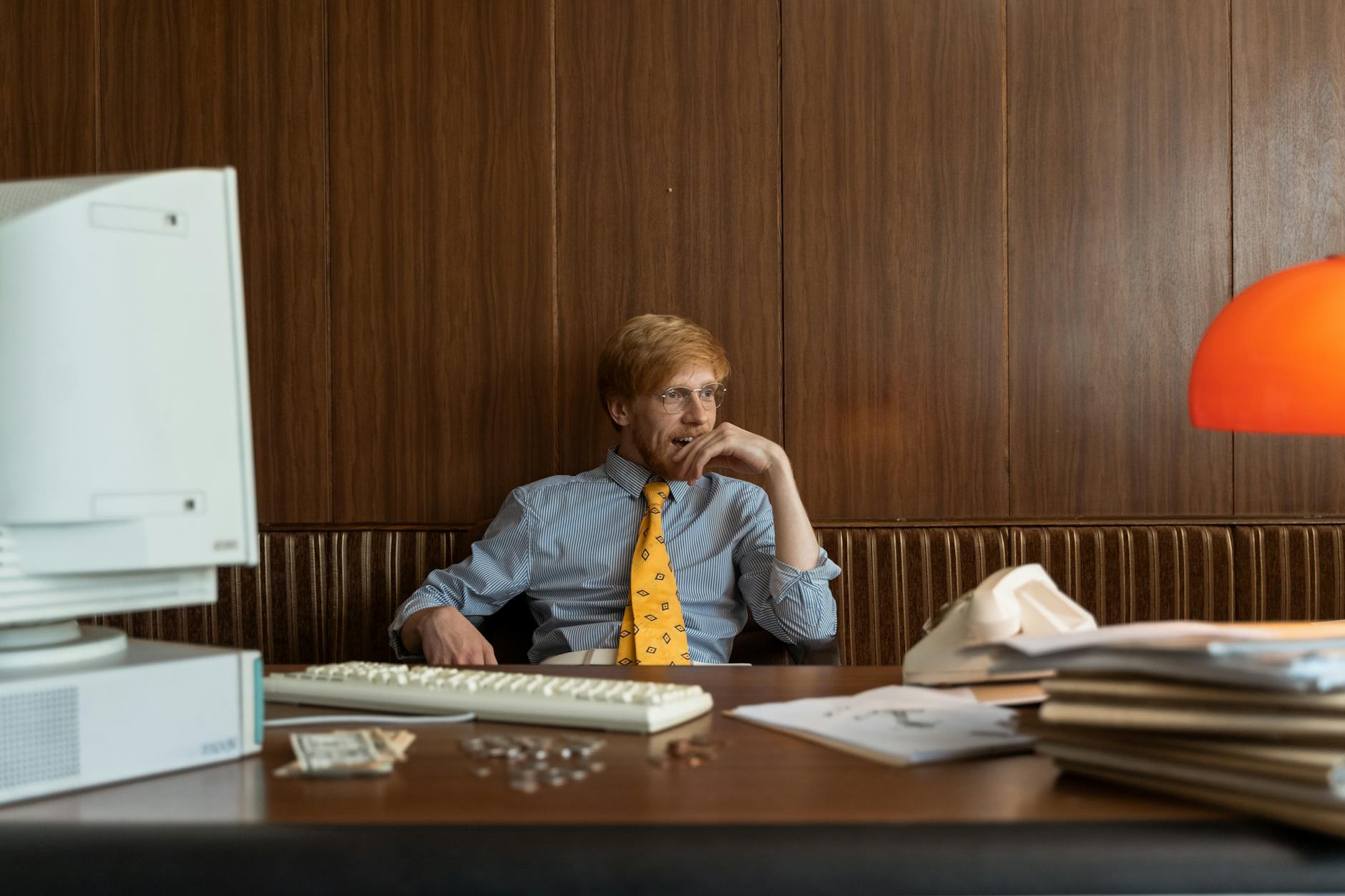
The quiet hum of office life was shattered for Sarah Jenkins, a marketing manager at a mid-sized tech firm, when a small, defiant sticker appeared on a colleague's desk. Bearing the slogan “Make America Blue Collar Again” in bold, patriotic colors, it was more than just a decal; it was a lightning rod. Within hours, hushed conversations turned into anxious whispers. Was this a genuine appeal for economic revitalization, as the sticker’s owner maintained, or a coded endorsement of a particular political faction, with all its associated baggage? Jenkins, caught in the crossfire, found her workplace, once a neutral territory, suddenly charged with unspoken tensions. This incident, seemingly minor, represented a tipping point in the modern professional landscape. The workplace has long been envisioned as a haven from the often-turbulent currents of public life. Historically, professional environments strove for a degree of separation, fostering an atmosphere where colleagues could collaborate based on shared professional goals rather than divergent political ideologies. This unspoken pact allowed for a collective focus on productivity and team cohesion, insulating employees from the often-polarizing nature of national discourse. The idea was simple: you left your political battles at the door, entering a space governed by shared responsibilities and mutual respect for differing viewpoints, as long as they remained separate from the professional sphere. However, the boundaries have become increasingly blurred. The pervasive influence of social media has transformed political engagement into a 24/7 phenomenon. Memes, viral posts, and constant news cycles ensure that political narratives seep into every corner of our lives, including the often-considered apolitical space of the office. What was once a refuge is now a battleground, albeit often a subtle one, where personal beliefs can manifest in overt or covert displays, sparking discomfort and division among colleagues. This infiltration is not merely about differing opinions; it’s about the constant exposure and the pressure to align or confront. This shift is not without statistical backing. A recent poll indicated that a significant portion, nearly half of American workplaces surveyed in 2025, lacked any formal policy to govern political discussions. This policy vacuum creates fertile ground for conflict. Even in organizations with established guidelines, the evolving relationship between politics, consumerism, and popular culture makes it challenging to define what constitutes inappropriate political speech. Is a bumper sticker political? What about a t-shirt? The ambiguity leaves HR departments and management scrambling to address incidents without alienating employees or stifling expression. The sticker incident at Jenkins’ company exemplifies this quandary. The employee’s claim of focusing on economic issues collided with the interpretation of others who saw it as a partisan statement, potentially signaling agreement with broader political agendas concerning immigration or social rights. This divergence in interpretation is a direct consequence of the highly politicized climate amplified by digital platforms. Each symbol, each phrase, becomes freighted with meaning, inviting scrutiny and potential conflict. This phenomenon mirrors historical shifts where societal divisions bled into previously insulated institutions. Just as religious or class conflicts once disrupted communal life, the current ideological chasm is now fracturing professional environments. The absence of a clear, universally accepted definition of acceptable workplace discourse regarding politics means that every interaction carries the potential for misunderstanding and friction. The shared professional objective can be easily overshadowed by the weight of perceived political allegiances. The public reaction, largely playing out on social media platforms, has been a mixed bag of validation and concern. Many shared stories of similar experiences, expressing solidarity with Jenkins’ colleague and frustration with the intrusion of politics into their own workplaces. Others voiced support for clear boundaries, arguing that such displays are disruptive and unprofessional. The online discourse highlights the widespread unease and the lack of consensus on how to navigate this new reality, further emphasizing the complexity of the issue. Looking ahead, the challenge for organizations will be to find a balance between fostering an inclusive environment and allowing for individual expression. This will likely require more robust and clearly defined policies on workplace conduct and political discourse, developed through open dialogue with employees. Companies must proactively address the potential for division, perhaps by focusing on shared company values and professional conduct rather than attempting to police every personal expression. The trend suggests that workplaces will increasingly grapple with these issues, making the development of effective strategies for managing political expression a critical component of modern human resources and organizational leadership. What remains to be seen is whether companies can adapt before the persistent political friction erodes their foundational collaborative spirit.
In Brief
The traditional separation between professional and political life is dissolving, leaving workplaces fractured by ideological divides. This article explores how political discourse has infiltrated offices and the challenges companies face in navigating these new tensions.Advertisement


Comments
No comments yet. Be the first to comment!