


Key Takeaways
- Apple has implemented substantial price increases across its popular laptop and tablet product lines, citing escalating production costs and persistent supply chain challenges as primary drivers for these adjustments.
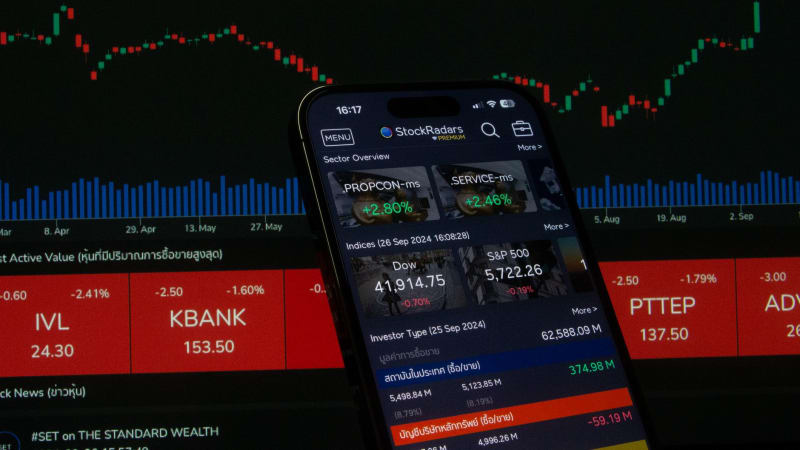
- Following the announcement, Apple's stock experienced a significant and immediate plunge, reflecting investor apprehension regarding potential impacts on sales volume and overall market demand.
- Consumer sentiment has turned sharply negative, with widespread frustration expressed across social media platforms and tech forums over the timing and magnitude of these unexpected price adjustments.
- Industry analysts are presenting a divided outlook, with some predicting resilience due to strong brand loyalty, while others foresee a tangible hit to Apple's market share and profitability.
- The tech giant's move is poised to intensify competition within the consumer electronics market, potentially offering rivals an opportunity to capture segments of the market sensitive to price changes.
- This strategic decision by Apple could signal a broader trend of price adjustments across the technology sector as companies grapple with global economic pressures and inflationary environments.
Background
Apple Inc. recently made a pivotal announcement, revealing substantial price increases across its highly anticipated and widely popular range of MacBooks, iPads, and other tablet devices. This strategic shift, communicated to investors and the public, marks a significant departure from previous pricing strategies and is attributed by the Cupertino-based tech giant to a confluence of escalating global production costs, persistent supply chain bottlenecks, and the necessity to sustain its robust investment in research and development. The company emphasized that these adjustments are critical for maintaining its competitive edge and ensuring continued innovation in a rapidly evolving technological landscape.
The timing of these price hikes is particularly noteworthy, occurring amidst a period of heightened global economic uncertainty, rising inflation, and a general tightening of consumer discretionary spending. While Apple has historically commanded premium pricing due to its strong brand loyalty and perceived product quality, the magnitude of these latest increases has raised eyebrows across the industry. Analysts are scrutinizing whether the company's established brand power will be sufficient to absorb these higher costs without significantly impacting sales volumes, especially in key international markets where economic pressures are more acutely felt.
This decision follows a period where Apple, like many multinational corporations, has navigated complex geopolitical tensions and fluctuating currency exchange rates, which invariably affect the cost of components and manufacturing. The company's official statement underscored its commitment to delivering unparalleled user experiences, suggesting that the price adjustments are a direct reflection of the underlying value and advanced technology embedded in its products. However, the immediate market reaction, characterized by a sharp decline in its stock value, indicates that investors are keenly aware of the potential risks associated with testing the elasticity of consumer demand at these new price points.
Why It Matters
The ripple effects of Apple's aggressive pricing strategy extend far beyond its balance sheet, posing significant implications for consumer spending habits and the broader technology market. These substantial price increases for essential devices like laptops and tablets could force a considerable segment of consumers to reconsider their purchasing decisions, potentially delaying upgrades or exploring more budget-friendly alternatives from competing brands. This shift in consumer behavior could lead to a contraction in overall market demand for premium electronics, impacting not just Apple but the entire ecosystem of accessory manufacturers and software developers reliant on its platform.
Furthermore, this move hands a crucial strategic advantage to Apple's rivals, particularly those operating in the Windows PC and Android tablet markets. Companies like Samsung, Microsoft, and Google, which often compete on price point and value, now have an amplified opportunity to attract consumers who are priced out of Apple's ecosystem. This could lead to a significant redistribution of market share, challenging Apple's long-held dominance in certain segments and intensifying the competitive landscape in ways not seen in recent years. The long-term implications for brand loyalty, a cornerstone of Apple's success, are now under intense scrutiny.
The decision also sends a powerful signal to the global supply chain and manufacturing sector, indicating that even industry titans are struggling to absorb rising operational costs without passing them directly onto the end-user. This could trigger a domino effect, prompting other tech companies to evaluate their own pricing structures, potentially leading to a widespread increase in electronics prices across the board. Such a scenario would undoubtedly exacerbate inflationary pressures on consumers, making advanced technology less accessible and potentially widening the digital divide, thus underscoring the profound economic and social ramifications of Apple's latest pricing adjustments.
Ground Reality
The immediate ground reality following Apple's price hike announcement has been overwhelmingly negative, particularly among its loyal customer base. Social media platforms are awash with expressions of frustration, disappointment, and even anger, as consumers grapple with the prospect of paying significantly more for devices they consider essential for work, education, and personal use. Many users feel that the timing, amidst global economic uncertainties and a cost-of-living crisis, is particularly insensitive, leading to a palpable sense of betrayal among those who have historically championed the brand's premium offerings.
Retailers, both authorized Apple resellers and major electronics chains, are already bracing for a potential downturn in sales, especially as the crucial holiday shopping season approaches. Preliminary reports from some outlets suggest a noticeable hesitation among prospective buyers, with many indicating they will either delay purchases, seek out refurbished older models, or actively explore alternatives from competitors. This cautious consumer behavior poses a direct threat to sales targets and inventory management, forcing retailers to re-evaluate their marketing strategies and promotional efforts for Apple products.
Beyond individual consumer sentiment, the broader market is observing a tangible shift in purchasing intent. Surveys conducted by tech publications and consumer advocacy groups reveal a significant percentage of current Apple users are now openly considering switching to non-Apple devices for their next upgrade, a trend that was less pronounced in previous years. This erosion of brand loyalty, if sustained, could have long-term implications for Apple's ecosystem lock-in strategy, compelling the company to potentially re-evaluate its aggressive pricing structure or risk alienating a substantial portion of its core demographic.
What Experts Are Saying
Industry analysts and financial experts are presenting a sharply divided outlook on the potential ramifications of Apple's recent price adjustments. A segment of prominent analysts, often bullish on Apple's enduring strength, argues that the company's unparalleled brand loyalty, robust ecosystem, and perceived superior product quality will largely insulate it from significant long-term sales erosion. They contend that Apple's core demographic, accustomed to premium pricing, will absorb these increases, viewing them as a necessary cost for accessing cutting-edge technology and a seamless user experience, thereby maintaining consistent demand.
Conversely, a growing chorus of skeptics and market strategists warns of a substantial hit to Apple's sales volumes, particularly in emerging markets and among price-sensitive consumers. These experts highlight the current inflationary environment and the tightening of discretionary spending, suggesting that even Apple's formidable brand power has its limits. They predict that competitors offering more affordable, yet still highly capable, alternatives will gain considerable traction, potentially leading to a noticeable decline in Apple's market share in key product categories like laptops and tablets, which are increasingly seen as essential rather than luxury items.
Furthermore, some economic commentators are framing Apple's decision as a critical test case for the broader tech industry, questioning whether other major players will follow suit in passing increased production costs directly to consumers. The long-term effects on Apple's competitive positioning and profitability remain a subject of intense debate, with projections varying widely based on assumptions about consumer elasticity and the global economic trajectory. The consensus, however, is that this move represents a calculated risk that could either solidify Apple's premium market position or inadvertently accelerate a shift towards more value-oriented tech alternatives.
Frequently Asked Questions
What Happens Next
In the immediate aftermath of these significant price adjustments, Apple is expected to meticulously monitor market reactions, sales figures, and consumer sentiment across its global operations. The company's executive leadership will be closely evaluating whether the perceived value of its premium products can withstand the new price points or if the elasticity of demand proves to be lower than anticipated. This crucial data will inform any potential strategic recalibrations, which could range from targeted promotions in specific markets to a re-evaluation of future product pricing strategies.
Competitors, from established tech giants to agile startups, will undoubtedly be observing Apple's performance with keen interest. This presents a golden opportunity for rivals to aggressively market their own offerings, emphasizing value, affordability, or specific feature sets that directly compete with Apple's newly priced devices. We can anticipate a surge in competitive advertising and promotional campaigns designed to capture market share from consumers who are now more open to exploring alternatives, potentially leading to a more dynamic and competitive landscape in the coming months.
Looking further ahead, the long-term success or failure of this pricing strategy will heavily influence Apple's future product development cycles and market positioning. Should sales figures remain robust, it could embolden the company to continue its premium pricing approach. Conversely, a significant drop in demand might force Apple to innovate more aggressively on cost-efficiency or even consider introducing more budget-friendly product tiers to regain lost ground, ultimately shaping the trajectory of the entire consumer electronics industry for years to come.






Comments
No comments yet. Be the first to comment!