
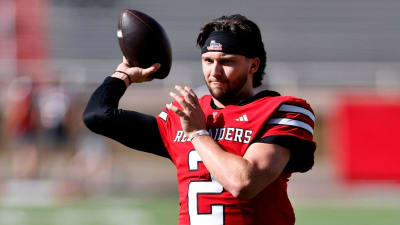
The specter of gambling addiction looms larger over college athletics than ever before, a stark reality brought into sharp relief by the case of Texas Tech quarterback Brendan Sorsby. Sorsby's decision to seek treatment for a gambling problem and the ensuing NCAA investigation into his alleged betting activities on his former team, Indiana, serve as a potent, albeit unfortunate, symbol of a burgeoning crisis. This situation directly impacts not only the young athletes themselves, potentially derailing their dreams and careers, but also the integrity of collegiate sports, leaving fans and administrators grappling with unprecedented challenges. The ease with which college students, particularly those with significant Name, Image, and Likeness (NIL) compensation, can access online sports betting platforms has created a perfect storm. Unlike previous generations where placing a bet required a trip to a physical location, the modern digital landscape offers instant gratification with just a few taps on a smartphone. This ubiquity, fueled by aggressive marketing from burgeoning sportsbooks, lowers the barrier to entry and normalizes gambling behavior among a demographic already navigating immense pressure and newfound financial independence. Evidence suggests this isn't an isolated incident. The NCAA is actively investigating Sorsby, who reportedly placed thousands of bets in recent years, including on his own college team during his freshman year in 2022. While gambling on professional sports might typically result in a suspension of a portion of a season, betting on one's own collegiate team carries far more severe consequences. Precedent, such as the recent ruling that saw two Fordham basketball players declared permanently ineligible for their alleged involvement in a point-shaving scheme, underscores the NCAA's stringent stance on safeguarding collegiate competition. The financial aspect cannot be overstated. With NIL deals providing student-athletes with unprecedented earning potential, many find themselves with disposable income they haven't previously managed. This influx of cash, combined with readily available betting apps, creates a potent cocktail for those susceptible to addictive behaviors. As Georgia coach Kirby Smart observed, the opportunity to gamble is "much more prevalent in this day and age." He further noted, "They also have access to more money to gamble with. There's a lot of kids that, in my day, would never gamble. They didn't have money to gamble with." This confluence of factors echoes historical periods of rapid social change and technological advancement that impacted societal norms. Consider the explosion of television and its influence on public discourse and leisure activities in the mid-20th century, or the societal shifts surrounding the legalization of lotteries. Each era presented new challenges in regulating and understanding the impact of widespread accessibility to games of chance. The current digital gambling boom represents a similar inflection point for collegiate athletics, demanding new approaches to education and oversight. Coaches find themselves on the front lines of this escalating issue. Beyond the X's and O's of game strategy, they are increasingly tasked with serving as educators and counselors, guiding young athletes through the complex realities of legalized gambling. The constant barrage of betting advertisements on every media platform makes the message of restraint incredibly difficult to convey. "You've got to educate your players and you got to hope that they listen and learn," Smart stated, acknowledging the inherent difficulty and the often-painful nature of such lessons. "Sometimes it's an expensive lesson to learn not to do it." Beyond the immediate eligibility concerns for athletes like Sorsby, the broader implications for the integrity of college sports are profound. The potential for point-shaving or other forms of game manipulation, while perhaps not explicitly proven in Sorsby's case, becomes a more tangible threat when athletes have financial stakes and easy betting access. This erodes the fundamental trust between fans and the games they cherish, potentially leading to decreased engagement and a tarnished legacy for collegiate athletics. Looking ahead, the focus will undoubtedly remain on how institutions, athletic departments, and the NCAA will adapt. Increased educational programs, stricter monitoring of athlete online activity, and potentially more robust support systems for those struggling with addiction will be crucial. The ongoing NCAA investigation into Sorsby's case will likely set further precedents, guiding future policy and enforcement decisions in this rapidly evolving landscape.
In Brief
The rise of accessible online betting and increased NIL money is creating a perfect storm for college athletes, highlighting a growing crisis of gambling addiction and its impact on the integrity of sports.Advertisement



Comments
No comments yet. Be the first to comment!