
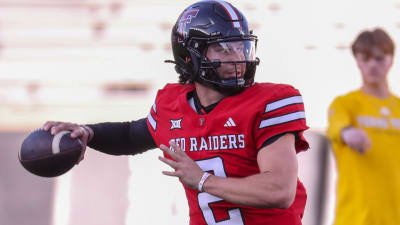
"Student-athletes are navigating a minefield. The NCAA's rules on sports betting are a complex web, and violations, even those stemming from addiction, can have severe, career-altering consequences," states Dr. Evelyn Reed, a leading sports sociologist specializing in athlete welfare. This sentiment underscores the precarious situation facing Brendan Sorsby, the highly touted Texas Tech quarterback, as he finds himself at the center of an NCAA investigation concerning alleged online sports wagers. The probe, which reportedly involves thousands of bets placed via a gambling application, casts a long shadow over his collegiate career and brings into sharp relief the growing challenges of managing gambling risks within the student-athlete population. Sources close to the situation indicate that Sorsby's alleged betting activity may have even encompassed collegiate sporting events, potentially including games during his tenure at his previous institution, Indiana. This detail is particularly concerning for the NCAA, as wagering on college sports, especially those in which a student-athlete participates, represents a bright red line. The potential ramifications are significant, with the NCAA's bylaws stipulating severe penalties for such infractions, including the potential loss of eligibility. While Sorsby's immediate playing status has not yet been impacted, the investigation's outcome, followed by any potential appeals, will ultimately determine his ability to compete beyond the current academic year. The gravity of the situation is amplified by Sorsby's prominent status. A five-star transfer, he arrived at Texas Tech with considerable fanfare and was a significant acquisition for the program. His decision to seek inpatient treatment for gambling addiction, as confirmed by program officials, highlights the personal toll this issue can take. Texas Tech's head coach, Joey McGuire, has publicly voiced support for Sorsby, emphasizing the program's commitment to his well-being. "We love Brendan and support his decision to seek professional help," McGuire stated, underscoring that the team's primary concern is Sorsby as an individual, a stance that acknowledges the human element behind the eligibility questions. This incident arrives at a time when collegiate sports are increasingly grappling with the ubiquity of legalized sports betting. The proliferation of online gambling platforms and the normalization of sports wagering have created an environment where student-athletes are more exposed than ever to the temptations and pressures associated with betting. The NCAA's existing prohibition against athletes betting on any college or professional sports, regardless of their involvement, is becoming increasingly difficult to enforce in this landscape. A proposal last November to allow athletes to bet on professional sports was notably declined by the NCAA, signaling a continued hardline stance on any form of athlete participation in wagering. Data underscores the escalating concerns. While betting more than $800 on professional sports can trigger a 30% loss of eligibility, the rules become far more stringent for collegiate events. The NCAA's official stance, as communicated in a statement, is that they do not comment on ongoing investigations due to confidentiality. However, they affirmed their commitment to player well-being and competitive integrity, noting their use of integrity monitoring services and collaboration with regulators to address reports of potential violations. The story resonates deeply because it touches upon themes of addiction, the pressures of high-level athletics, and the often-unseen struggles of young adults in the spotlight. Fans and observers alike are invested in Sorsby's journey, not just as a player, but as an individual battling a recognized disorder. The public nature of his predicament, coupled with the NCAA's strict regulatory framework, creates a compelling narrative that captures attention and sparks conversations about athlete welfare and the evolving relationship between sports and gambling. Beyond the individual case, Sorsby's situation exposes a deeper systemic issue: the NCAA's struggle to adapt its regulatory framework to the rapidly changing landscape of legalized sports betting. The current rules, designed for a different era, often feel out of step with the pervasive availability of betting apps and the societal acceptance of wagering. This creates a difficult environment for both athletes, who are constantly exposed, and the governing body, which faces immense challenges in enforcement and maintaining the integrity of competition while also safeguarding athlete well-being. The investigation into Sorsby's alleged betting habits is far from over. The NCAA will meticulously examine the evidence, and Sorsby, with the support of his university, will likely engage in a rigorous appeals process should adverse findings emerge. What happens next will not only shape Sorsby's future but could also influence how the NCAA addresses similar cases and potentially revises its policies. The spotlight on this case will undoubtedly prompt further discussions about the efficacy of current rules and the broader implications of widespread sports betting on collegiate athletics and the young people involved.
In Brief
A star quarterback's NCAA investigation for alleged gambling throws a spotlight on athlete welfare and the challenge of enforcing betting rules in a legalized sports world. The probe raises significant questions about eligibility and the pressures faced by young athletes.Advertisement




Comments
No comments yet. Be the first to comment!