
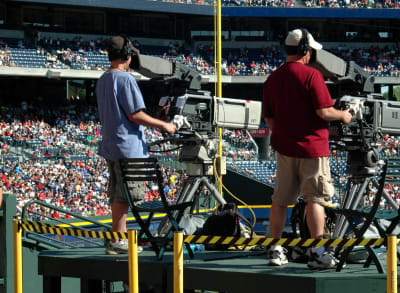
What happens when the focus of a major sporting event is momentarily hijacked by a single, ill-considered act from the stands? This question loomed large during the recent Italian Open, a prestigious clay court tennis tournament, when a live broadcast segment was abruptly interrupted by an offensive gesture from a spectator. The incident, captured and aired by Sky Sports, sent ripples of embarrassment and necessitated a swift on-air apology, highlighting the inherent unpredictability of live television and the challenges of maintaining broadcast decorum. This wasn't just a fleeting awkwardness; it was a moment that underscored the fragile boundary between controlled athletic performance and the chaotic energy of a live audience. For broadcasters, the goal is to immerse viewers in the excitement, build anticipation, and tell the stories of the athletes. An act of poor sportsmanship from a fan, broadcast live, directly undermines this effort. It injects an element of the vulgar and unexpected into a carefully curated narrative, forcing presenters and producers into damage control mode. The speed at which such clips propagate across social media platforms further amplifies the impact, turning a localized incident into a global talking point within minutes. The implications extend far beyond the immediate embarrassment for the broadcast team. It raises questions about crowd control, the responsibility of broadcasters to filter or manage such moments, and the overall atmosphere of sporting venues. While the gesture itself was juvenile, its broadcast live meant it was seen by thousands, potentially influencing perceptions of the event and its attendees. This is particularly relevant in an era where sporting events are increasingly global spectacles, broadcast to diverse audiences who may have different expectations regarding on-site behavior. The individuals most directly affected, beyond the presenters like Gigi Salmon, were the athletes preparing for a significant match. While Jannik Sinner, the eventual champion, was not demonstrably impacted and went on to secure a historic victory, such distractions can undeniably affect an athlete's mental preparation. The final, a culmination of intense physical and mental effort, was momentarily overshadowed. This incident also inadvertently cast a shadow over the magnitude of Sinner's achievement – becoming only the second player ever to complete a Career Golden Masters, a feat of immense historical significance in the sport. The subsequent online reaction was, as is often the case, swift and divided. While many condemned the fan's behavior and supported the broadcasters' apology, others debated the necessity of such a strong on-air response, some even finding humor in the unexpected disruption. Social media platforms became a battleground for discussions on etiquette, the role of fans in live sports, and the over-sensitivity of modern broadcasting. This digital echo chamber amplified the story, ensuring it remained in the public consciousness long after the initial broadcast. For ordinary viewers, this incident serves as a potent reminder of the realities of live broadcasting and public spaces. It illustrates that even in carefully managed environments, unpredictable human behavior can intrude. It also prompts reflection on the collective responsibility to maintain a respectful atmosphere at events, whether in person or by extension, through the content we consume and share online. The line between enjoying a sporting spectacle and behaving inappropriately can be thin, and this incident demonstrates the consequences when that line is crossed. Looking ahead, sports organizations and broadcasters will likely re-evaluate their strategies for managing live audiences and mitigating the impact of disruptive spectator behavior. This could involve more stringent crowd monitoring, enhanced training for on-air talent to handle unexpected situations, or even adjustments to broadcast protocols. The incident at the Italian Open, though seemingly minor in the grand scheme of athletic achievement, offers valuable lessons about maintaining integrity and professionalism in the face of unpredictable public engagement. The ultimate takeaway for the public is a nuanced understanding of the pressures faced by live broadcasters and the importance of fan conduct. While the desire for entertainment is paramount, it should not come at the expense of respect and decorum. As sporting events continue to captivate global audiences, fostering an environment that balances excitement with civility remains a shared responsibility. The next time a live broadcast is interrupted, it will be worth observing whether lessons have been learned and if such incidents can be prevented from detracting from the athletic brilliance on display.
In Brief
An unexpected fan gesture disrupted a major tennis broadcast, forcing an apology and sparking debate about spectator behavior and live TV. This incident highlights challenges for broadcasters and athletes.Advertisement




Comments
No comments yet. Be the first to comment!