
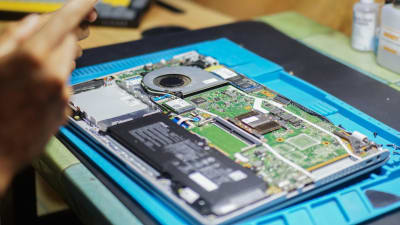
The relentless hum of notifications, the endless scroll, the constant juggling of devices – for many, modern life has become an exhausting digital marathon. This pervasive fatigue isn't just about the hours spent staring at screens, but the sheer volume of gadgets and accessories that tether us to the online world. Chargers multiply, cables tangle into Gordian knots, and the pursuit of connectivity often leads to a more fragmented, less present existence. It's a paradox: the tools designed to enhance our lives are increasingly demanding more of our attention and mental energy, leaving individuals feeling drained and disconnected from the physical reality around them. This growing unease has sparked a quiet revolution, a movement towards intentional tech use, and the emergence of surprisingly low-tech solutions designed to help us disconnect. At the heart of this shift is a growing recognition of the hidden costs of our hyper-connected lifestyles. The average adult, studies suggest, spends upwards of seven hours per day interacting with screens, a figure that has steadily climbed over the past decade. This isn't just passive consumption; it involves constant context-switching, managing multiple communication channels, and the psychological pressure to be always 'on.' The physical clutter is another undeniable consequence. Think about the bedside table groaning under the weight of charging bricks for a smartphone, smartwatch, tablet, and e-reader, each with its own proprietary cable. This accumulation represents not just a material burden but a mental one, a constant visual reminder of our digital obligations. Innovative thinkers are now developing and promoting products that deliberately buck the trend of more-is-more. These aren't Luddite devices designed to reject technology outright, but rather smart, often analog, tools that serve specific, focused purposes, thereby reducing the need for multiple complex digital devices. Consider the rise of sophisticated, single-purpose e-readers that offer distraction-free reading experiences, or high-quality analog alarm clocks that eliminate the temptation of checking emails or social media notifications first thing in the morning. Even well-designed stationery, like premium notebooks and pens, are seeing a resurgence as people seek tactile, focused ways to journal, plan, and brainstorm, activities often diluted by the multitasking demands of digital platforms. One compelling example is the resurgence of the dedicated digital camera. While smartphone cameras have become ubiquitous and remarkably capable, they are intrinsically linked to the device's myriad other functions. This integration means a quick photo can easily spiral into checking messages, browsing the web, or getting lost in social media feeds. Dedicated cameras, conversely, are designed for one task: capturing images. This singular focus, coupled with often superior optics and controls, allows users to immerse themselves in the act of photography without the constant pull of other digital distractions. Enthusiasts report a more mindful and rewarding creative process when using such devices, leading to higher quality images and a greater sense of accomplishment. Expert perspectives highlight the psychological benefits of such intentional choices. Dr. Anya Sharma, a cognitive psychologist specializing in digital well-being, notes that "our brains are not wired for the constant, fragmented attention that digital devices demand. By intentionally reducing the number of touchpoints and choosing tools with a singular, focused purpose, we allow our minds to engage more deeply, fostering greater creativity, improved focus, and a significant reduction in stress." This movement resonates deeply because it addresses a fundamental human need: the desire for presence and control. For ordinary people, this translates into tangible benefits. It means being more engaged in conversations with loved ones, enjoying hobbies without interruption, getting a better night's sleep free from blue light and late-night alerts, and reclaiming pockets of time that were previously lost to mindless digital consumption. It’s about making technology serve us, rather than the other way around, and the satisfaction derived from that shift can be profound. The social media landscape, while often a contributor to digital fatigue, has also become a platform for sharing these counter-cultural trends. Hashtags like #DigitalDetox and #AnalogLiving are gaining traction, with users showcasing their minimalist tech setups, their rediscovered joys in analog hobbies, and their strategies for creating tech-free zones in their homes. This shared experience fosters a sense of community and validates the choices of those seeking a more balanced relationship with technology, encouraging others to experiment with similar approaches. The broader societal impact is significant. As more individuals consciously choose to disconnect more often, businesses that cater to these needs will likely see increased demand. This could range from manufacturers of high-quality analog goods to service providers offering digital-free retreats. Furthermore, a population less susceptible to constant digital bombardment may lead to improved mental health outcomes, greater civic engagement in local communities, and a renewed appreciation for offline experiences and human connection. Looking ahead, the trend towards intentional technology use is likely to evolve. We may see further integration of analog principles into digital design, creating devices that are inherently less distracting. Expect continued innovation in single-purpose gadgets and a growing market for tools that facilitate focus and offline engagement. The key will be to observe how consumers continue to navigate this complex digital terrain, seeking not just more connectivity, but more meaningful connection and personal peace.
In Brief
Discover innovative tools and strategies designed to combat digital fatigue and reclaim your personal time. Explore how a shift towards intentional tech use is reshaping our relationship with devices.Advertisement




Comments
No comments yet. Be the first to comment!