
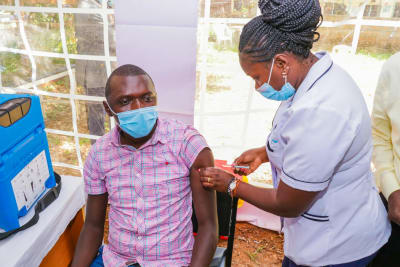
“The challenge with emerging or re-emerging strains like Bundibugyo Ebola is our relative lack of preparedness compared to more familiar pathogens,” states Dr. Anya Sharma, a leading infectious disease specialist at the Global Health Institute. “Our existing tools, while effective against some Ebola types, may not offer the same robust protection, necessitating rapid innovation and deployment.” This underscores the critical juncture the international health community finds itself in, grappling with a virus that, while less common, carries significant potential for disruption. The current outbreak in the Democratic Republic of Congo (DRC), identified as being caused by the Bundibugyo Ebola virus, has triggered an urgent global response. This particular strain, first identified in 2007, presents unique challenges. Unlike the more prevalent Zaire strain, which has seen significant advancements in vaccine and treatment development over the past decade, Bundibugyo has historically been less understood and, consequently, less catered to by established medical countermeasures. The limited therapeutic landscape means that containment relies heavily on traditional public health measures like contact tracing, isolation, and community engagement, all of which are stretched thin during an active epidemic. Historically, the Bundibugyo Ebola virus has appeared in sporadic, localized outbreaks. The 2007 outbreak in Uganda, for instance, resulted in over 100 fatalities and highlighted the strain's lethality and the difficulties in controlling its spread. This limited historical data means that predicting its behavior and developing targeted interventions has been a slower, more arduous process. The current situation in the DRC, therefore, is not just a health crisis but a stark reminder of the persistent threat posed by neglected or less-studied viral threats in vulnerable regions. The international community's response, while swift, is operating from a foundation of less extensive prior experience with this specific variant. The urgency stems from the potential for this strain to spread more rapidly or present with different clinical manifestations than previously observed. Public health officials are particularly concerned about the possibility of cross-border transmission, given the DRC's porous borders and ongoing humanitarian challenges that can complicate containment efforts. The economic implications are also considerable, with the potential for trade disruptions, increased healthcare expenditures, and a diversion of resources from other critical health programs. Socially, outbreaks of this nature often fuel fear and mistrust, impacting community cooperation with health workers. Several promising therapeutic avenues are now being explored with renewed vigor. Researchers are investigating repurposed antiviral drugs that have shown preliminary efficacy against other filoviruses, as well as developing novel monoclonal antibodies specifically designed to target the Bundibugyo strain’s unique genetic makeup. Early-stage clinical trials are being fast-tracked, with a focus on identifying compounds that can be rapidly manufactured and deployed. The World Health Organization (WHO) has allocated emergency funding and is coordinating international collaboration to accelerate these research and development efforts. The economic ripple effects, though not yet fully realized, are a significant concern. Beyond the direct costs of outbreak response – including personnel, supplies, and logistical support – there is the potential for wider economic disruption. Countries in the region often rely on agricultural exports and tourism, sectors highly sensitive to health crises. Investor confidence can wane, and the cost of doing business increases as stringent screening measures and travel restrictions are implemented. The long-term economic impact could include reduced foreign investment and a setback in development gains. Furthermore, the social fabric of affected communities is often tested. Stigma associated with the disease can lead to social exclusion and hinder efforts to reach those most in need. Misinformation and rumors can spread rapidly, undermining public health messaging and compliance with preventative measures. Building and maintaining trust between health authorities and local populations is paramount, requiring culturally sensitive communication strategies and the active involvement of community leaders in the response. Looking ahead, the critical next steps involve not only the rapid development and equitable distribution of any successful treatments or vaccines but also a sustained investment in strengthening public health infrastructure in regions prone to such outbreaks. The ability to detect, report, and respond to viral threats early is crucial. Continued surveillance, robust laboratory capacity, and well-trained healthcare workforces are essential components of global health security. The international community must learn from each outbreak, ensuring that lessons learned translate into tangible preparedness for future events, regardless of the specific pathogen involved. The progress made now will set a precedent for how the world confronts similar challenges in the years to come.
In Brief
A dangerous Bundibugyo Ebola outbreak in the DRC is pushing global health authorities to accelerate the development of novel treatments and vaccines. Learn about the historical context, current challenges, and future outlook.Advertisement





Comments
No comments yet. Be the first to comment!