
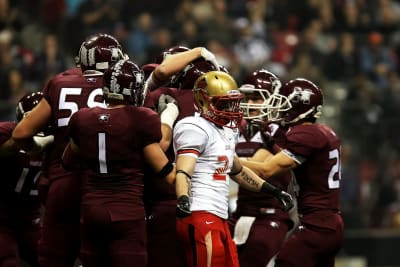
"The landscape of college athletics is being fundamentally reshaped by these evolving compensation models, and this ruling offers a glimpse into the complex legal and ethical challenges that lie ahead," stated Dr. Anya Sharma, a leading sports law analyst at Georgetown University. The recent decision by the College Sports Commission (CSC) to deny an arbitration request by eighteen Nebraska football players seeking over $1 million in Name, Image, and Likeness (NIL) compensation highlights the ongoing friction between traditional collegiate structures and the burgeoning athlete endorsement market. At the heart of the dispute was a series of NIL deals facilitated through the university's multimedia partner, Playfly Sports. These agreements, intended to provide financial benefits to players based on their marketability, were put under scrutiny. The players' arbitration case aimed to validate these deals and secure the promised funds, arguing they were legitimate opportunities aligned with the spirit of NIL regulations. However, the CSC's ruling effectively blocked the approval of these specific million-dollar packages, leaving the athletes without the expected financial recourse. The broader context for this situation is the rapid and often chaotic implementation of NIL policies across collegiate sports. Since the NCAA’s initial guidance, universities, collectives, and third-party entities have scrambled to establish frameworks for athlete compensation. This has led to a patchwork of agreements, varying levels of transparency, and, as demonstrated in this case, significant legal hurdles. The Nebraska players' situation is not isolated; similar disagreements and legal challenges are brewing across the country as athletes and institutions navigate this new financial frontier. Data from various sports business reports indicate a substantial increase in NIL deal valuations. While specific figures for the denied Nebraska deals remain private, the reported sum of over $1 million suggests a significant investment that, if approved, would have placed these athletes among the higher earners in collegiate sports. This figure underscores the immense potential revenue streams now accessible to top-tier athletes, a stark contrast to the pre-NIL era where such opportunities were virtually non-existent. The ripple effects of this decision extend beyond the Nebraska locker room. For athletic departments nationwide, it serves as a cautionary tale about the intricacies of NIL deal structuring and the potential for disputes with third-party partners and governing bodies. Universities are now compelled to scrutinize their contractual arrangements with multimedia rights holders and NIL collectives more closely, ensuring compliance and mitigating legal risks. The financial implications for athletes, particularly those who may have structured their financial planning around these expected NIL earnings, are also considerable. Stakeholder reactions have been varied. While the CSC's decision offers a degree of clarity for institutions wary of unregulated NIL spending, it has drawn criticism from athlete advocacy groups. These organizations argue that the ruling hinders athletes' ability to capitalize on their market value and potentially undermines the very purpose of NIL. Conversely, some university administrators and conference officials may view the decision as a necessary step to rein in what they perceive as unsustainable NIL spending and to maintain a semblance of competitive balance. This story is resonating with the public because it touches upon fundamental questions of fairness, exploitation, and the commodification of student-athletes. For many fans, the idea of athletes earning significant sums is a welcome development, seen as overdue compensation for their athletic labor. The legal complexities and the apparent conflict between the athletes' expectations and the CSC's decision tap into broader societal debates about economic justice and the power dynamics within major sports organizations. Looking ahead, the implications of this arbitration loss are far-reaching. It is likely to intensify calls for clearer, more standardized NIL regulations at the national level. Expect to see increased pressure on the NCAA and potentially legislative bodies to establish definitive guidelines that govern NIL deals, particularly those involving third-party entities. The Nebraska players' case may serve as a catalyst for broader reforms, pushing for greater transparency and dispute resolution mechanisms within the NIL ecosystem. The legal battles over athlete compensation are far from over; this is merely another chapter in a rapidly evolving narrative. What to watch next includes how the Nebraska players and their legal counsel respond to this arbitration outcome. Will they pursue further legal avenues, or will this decision signal the end of their pursuit of these specific funds? Furthermore, how will other universities and collegiate athletic conferences adapt their NIL strategies and partnerships in light of this ruling? The industry will be closely monitoring any appeals or subsequent legal actions that could set new precedents in the complex world of college athlete compensation.
In Brief
Eighteen Nebraska football players have lost an arbitration case seeking over $1 million in NIL funds, highlighting the complex legal battles shaping college athletics. The ruling by the College Sports Commission raises questions about athlete compensation and third-party deal structures.Advertisement




Comments
No comments yet. Be the first to comment!