
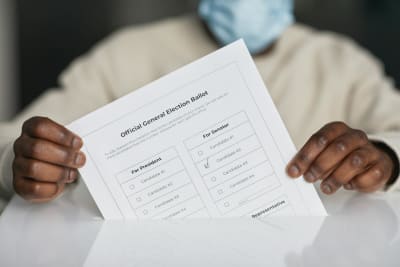
Did Ohio Secretary of State Frank LaRose make the right call when he voluntarily provided sensitive voter data to the Department of Justice, bypassing a federal subpoena? This decision has ignited a firestorm of controversy, drawing sharp criticism from members of Congress and raising profound questions about the protection of personal information in an era of heightened data sensitivity. The trove of data handed over includes not only publicly available details like voter addresses but also highly private information such as Social Security numbers, affecting an estimated 8 million Ohioans. The implications of such a broad disclosure, particularly without a formal legal demand, are far-reaching, touching upon the trust citizens place in their government to safeguard their personal records. At the heart of the congressional outcry is a fundamental disagreement over the necessity and legality of LaRose's action. Several lawmakers have voiced concerns that the Secretary of State's office acted unilaterally and without sufficient justification, potentially setting a dangerous precedent. This move, they argue, could embolden other state officials to share private citizen data with federal agencies on request, eroding privacy protections that are already under strain. The lack of a subpoena is a key point of contention, suggesting to critics that the disclosure was not compelled by imminent legal necessity but rather a voluntary act that bypassed standard oversight. The debate extends beyond political theater, delving into the practical security risks associated with such data transfers. The inclusion of Social Security numbers is particularly alarming. These digits are a linchpin of personal identity in the United States, and their compromise can lead to devastating consequences, including identity theft and financial fraud. While the stated purpose of the data transfer was reportedly to aid federal investigations, the potential for misuse or breaches, either by the receiving agency or through unforeseen vulnerabilities, looms large in the public consciousness. The sheer volume of data – impacting millions – amplifies these anxieties. While the specifics of the DOJ's request and the exact nature of the federal investigations remain largely undisclosed, this incident is not happening in a vacuum. It reflects a broader national conversation about data privacy, government surveillance, and the balance between national security and individual liberties. In recent years, numerous high-profile data breaches and revelations about government data collection practices have heightened public awareness and skepticism. LaRose's decision, therefore, taps into a deep-seated unease about who has access to our most sensitive personal information and under what circumstances. The public reaction, primarily channeled through social media and news comment sections, has been swift and largely critical. Many citizens express a sense of betrayal, feeling that their personal data, entrusted to state officials, has been treated with insufficient care. The narrative often revolves around the perceived hypocrisy of government officials demanding greater transparency while simultaneously handling private data in ways that many find opaque and concerning. Hashtags and online discussions frequently question the necessity of sharing such sensitive details and call for greater accountability from elected officials. Looking at the data itself, while specific figures on the number of individuals affected by similar disclosures in other states are difficult to isolate, the sheer scale of Ohio's population and the inclusion of SSNs make this a significant event. The Ohio Revised Code outlines provisions for the disclosure of voter information, but the voluntary nature of this transfer, without a subpoena, places it in a gray area that has drawn the ire of many. The precedent set here could influence how similar requests are handled across the country. Beyond the immediate controversy, the incident has spurred legislative action. Reports indicate that proposals are being considered to establish clearer protocols for data sharing and to bolster oversight mechanisms. This could involve creating specialized commissions or task forces dedicated to data security and inter-agency data transfer, aiming to prevent future situations where sensitive information is disseminated without robust justification or public scrutiny. The goal is to strike a better balance between facilitating necessary investigations and upholding citizens' fundamental right to privacy. What happens next is critical. The congressional inquiries are likely to intensify, potentially leading to hearings and demands for further information from the Secretary of State's office and the Department of Justice. Furthermore, the outcome of these reviews could shape future legislation at both the state and federal levels, influencing how voter data and other sensitive personal information are handled. The public will be watching closely to see if stronger privacy protections emerge from this significant data disclosure.
In Brief
Ohio's Secretary of State voluntarily shared sensitive voter data, including Social Security numbers, with the DOJ, igniting bipartisan congressional anger and raising alarms about citizen privacy. Discover the full implications and the national trend this reflects.Advertisement



Comments
No comments yet. Be the first to comment!