

The Story in Brief
The Human Face
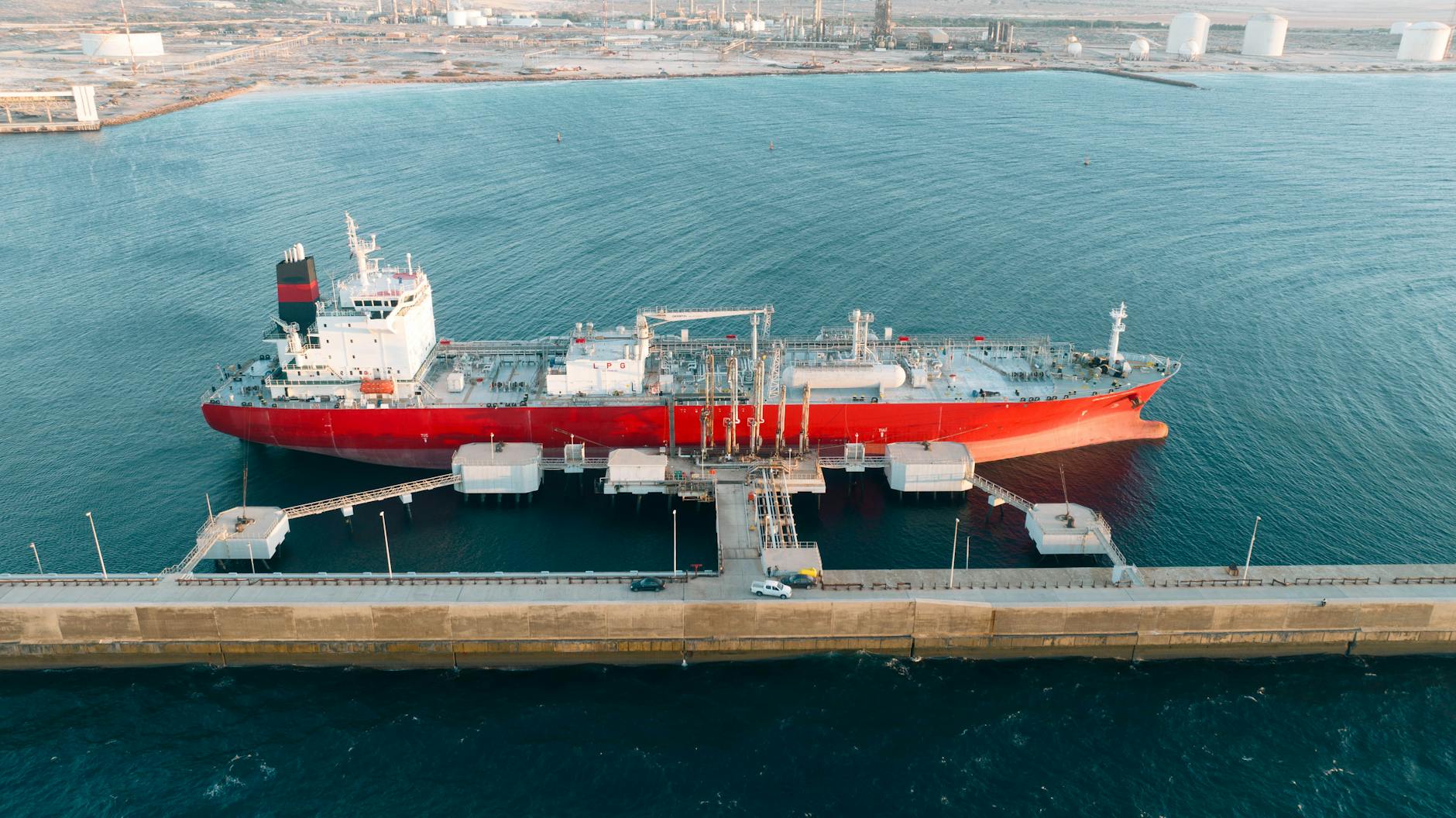
The decision by Nigeria LNG Limited (NLNG) to procure three new liquefied natural gas (LNG) vessels represents a profound commitment to the nation's energy sector and its workforce. This strategic move is not merely about acquiring assets; it's about investing in the future of Nigerian maritime expertise and engineering capabilities. The construction and operation of these advanced vessels will necessitate highly skilled personnel, from naval architects and engineers involved in the design and building phases to the experienced mariners who will navigate them across international waters. This initiative promises to create a ripple effect of employment opportunities, both directly within NLNG and its partner shipyards, and indirectly through the supply chain supporting these complex projects. Furthermore, it offers a vital platform for training and development, allowing Nigerian professionals to gain invaluable experience with state-of-the-art maritime technology, thereby enhancing the nation's human capital in a critical industrial sector and fostering a sense of national pride and accomplishment.
Beyond the immediate job creation, the acquisition of these LNG carriers signals a bolstered confidence in Nigeria's ability to manage and execute large-scale, technologically advanced projects. It empowers local industries and service providers to elevate their standards and capabilities to meet the stringent requirements of international shipbuilding and maritime operations. The project will likely involve significant collaboration with global leaders in shipbuilding and maritime technology, providing a unique opportunity for knowledge transfer and capacity building within Nigeria. This transfer of expertise is invaluable, equipping Nigerian engineers, technicians, and operational staff with the skills needed to maintain and manage a modern fleet, ensuring long-term sustainability and self-sufficiency. The successful integration of these vessels into NLNG's fleet will serve as a powerful demonstration of Nigeria's growing prowess in the complex and demanding global energy logistics arena.
The long-term implications for Nigerian seafarers and maritime professionals are particularly significant. As NLNG expands its operational reach and fleet size, the demand for qualified captains, officers, engineers, and crew members will inevitably increase. This presents a clear career pathway for aspiring maritime professionals, offering stable and rewarding employment opportunities on vessels that are at the forefront of global energy transportation. Moreover, the emphasis on advanced technology within these new vessels means that Nigerian seafarers will be operating with the latest safety and efficiency systems, enhancing their professional development and making them highly competitive in the international job market. This investment is, therefore, a direct investment in the people who will drive Nigeria's energy ambitions forward, ensuring a skilled and capable workforce for decades to come.
How We Got Here
The journey leading to NLNG's decision to award contracts for three new LNG vessels is rooted in a strategic vision to not only maintain but significantly enhance its competitive edge in the global liquefied natural gas market. For years, NLNG has operated a fleet that, while functional, has been subject to the natural aging process inherent in large maritime assets. Recognizing the imperative to modernize and expand its capacity to meet escalating international demand and to ensure operational efficiency and environmental compliance, the company embarked on a rigorous planning and evaluation process. This involved detailed market analysis, forecasting future energy needs, assessing technological advancements in LNG carrier design, and evaluating the financial viability of fleet expansion. The goal was to secure vessels that are not only larger and more efficient but also adhere to the strictest international safety and environmental regulations, positioning NLNG for sustained growth and leadership.
The global energy landscape has been undergoing a significant transformation, with a pronounced shift towards cleaner energy sources like natural gas. This trend, coupled with geopolitical factors and the increasing demand from emerging economies, has created a robust market for LNG. NLNG, as a major player, has been strategically positioning itself to capitalize on these evolving dynamics. The existing fleet, while performing commendably, has limitations in terms of capacity and the ability to leverage the latest innovations in fuel efficiency and emissions reduction. Therefore, the decision to invest in new vessels is a proactive response to market signals and a commitment to long-term sustainability. It reflects an understanding that maintaining a modern, efficient, and environmentally conscious fleet is paramount to securing future contracts and maintaining strong relationships with international buyers who increasingly prioritize these factors.
Furthermore, the successful operation of NLNG's existing fleet, comprising vessels built over several decades, has provided invaluable operational experience and data. This historical performance has informed the specifications and requirements for the new vessels, ensuring that they are designed to meet the specific operational challenges and opportunities present in NLNG's trade routes. The process likely involved extensive consultations with shipyards, technology providers, and maritime experts to identify the most suitable designs and construction partners. This meticulous approach, combining market foresight, technological assessment, and operational learning, has culminated in the current contract awards, signifying a critical step in NLNG's strategic evolution and its commitment to securing a dominant position in the global LNG trade for years to come.
Why This Cannot Be Ignored
The awarding of contracts for three new LNG vessels by Nigeria LNG Limited (NLNG) is a development of profound national and international significance, demanding close attention from policymakers, industry stakeholders, and energy consumers alike. This strategic investment directly impacts Nigeria's economic diversification efforts, moving beyond crude oil exports to solidify its position as a major player in the cleaner, more globally traded liquefied natural gas market. The expansion of NLNG's fleet is a clear signal of intent to meet the burgeoning global demand for natural gas, a critical fuel in the ongoing energy transition. Failure to adequately support and monitor such strategic expansions could lead to missed opportunities, hindering Nigeria's potential to leverage its vast natural gas reserves for sustainable economic growth and development, thereby perpetuating an over-reliance on volatile crude oil markets.
From an international perspective, these new vessels will enhance NLNG's capacity to supply reliable and competitively priced LNG to global markets, influencing energy security and pricing dynamics. As nations worldwide seek to transition away from more carbon-intensive fuels, the availability of LNG from dependable suppliers like Nigeria becomes increasingly crucial. Any disruption or underperformance in the deployment of these new assets could have tangible consequences for energy-importing countries, potentially leading to supply chain vulnerabilities or increased energy costs. Therefore, the successful and timely integration of these vessels into NLNG's operations is not just a corporate objective but a matter of global energy stability and the progress of the worldwide energy transition.
Moreover, this investment underscores the importance of robust regulatory frameworks and effective oversight to ensure that such large-scale projects are executed efficiently, safely, and with due consideration for environmental standards. The construction and operation of LNG carriers involve complex engineering, stringent safety protocols, and significant environmental considerations. The success of this venture will depend on strong governance, transparent procurement processes, and adherence to international best practices. Any lapse in these areas could lead to project delays, cost overruns, safety incidents, or environmental damage, all of which would have far-reaching negative consequences for NLNG, Nigeria's reputation, and the broader energy sector. The implications extend to investor confidence and Nigeria's attractiveness for future large-scale energy infrastructure investments.
Possible Paths Forward
The successful integration of these three new LNG vessels into NLNG's fleet opens up several promising avenues for the company and Nigeria's energy sector. Foremost among these is the significant enhancement of NLNG's global market reach and export capacity. With an expanded fleet, NLNG can commit to larger, more frequent shipments, potentially securing long-term contracts with new and existing international clients who demand reliable and substantial LNG supplies. This increased capacity will allow NLNG to better capitalize on the growing global demand for natural gas as a cleaner alternative to fossil fuels, thereby strengthening Nigeria's position in the international energy market and contributing substantially to foreign exchange earnings and national revenue.
Another critical path forward involves leveraging these advanced vessels to drive technological innovation and operational excellence within NLNG. These modern carriers are expected to incorporate state-of-the-art technologies for improved fuel efficiency, reduced emissions, and enhanced safety features. By operating these vessels, NLNG can set new benchmarks for operational performance, potentially reducing its carbon footprint and enhancing its reputation as an environmentally responsible energy supplier. This focus on innovation can also foster the development of specialized skills within the Nigerian workforce, creating a cadre of highly trained maritime professionals capable of managing and maintaining cutting-edge LNG infrastructure, thereby building long-term domestic capacity.
Furthermore, the expansion of NLNG's fleet can serve as a catalyst for further investment in Nigeria's broader energy infrastructure, including upstream gas production and midstream processing facilities. The increased demand for LNG exports will necessitate a corresponding increase in the supply of natural gas, encouraging investment in exploration and production activities. This integrated approach can create a virtuous cycle of growth across the entire gas value chain, from extraction to liquefaction, transportation, and export. It also provides a strong impetus for developing ancillary services and industries, such as specialized port facilities, maintenance services, and logistics support, further diversifying the Nigerian economy and creating a robust ecosystem around the LNG sector.
Questions People Are Actually Asking
What to Watch
- Monitor the construction progress and adherence to timelines for the three new LNG vessels, as any delays could impact NLNG's expansion plans and market commitments.
- Observe the successful integration of these advanced vessels into NLNG's operational fleet and their performance metrics regarding efficiency, safety, and environmental compliance.
- Track the impact of the expanded fleet on NLNG's global market share and its ability to secure new, long-term contracts in key LNG importing regions.
- Analyze the effects of increased LNG export capacity on Nigeria's foreign exchange earnings and its overall economic diversification strategy beyond crude oil.
- Keep an eye on the development of associated infrastructure and support services within Nigeria that may be required to fully leverage the expanded shipping capacity.
- Assess how the operational experience with these new vessels influences NLNG's future fleet renewal and expansion strategies, potentially setting a precedent for further investments.

















Comments
No comments yet. Be the first to comment!