
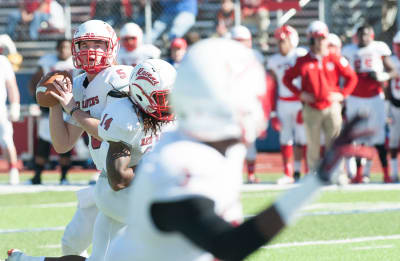
The intersection of sports and politics has long been a sensitive, often explosive, arena. Throughout history, athletes have navigated public opinion with varying degrees of success when expressing personal beliefs, from Jackie Robinson breaking the color barrier to Muhammad Ali’s principled stand against the Vietnam War. These moments, while celebrated by some, have also underscored the immense pressure public figures face to remain apolitical, or risk alienating significant portions of their audience. The latest chapter in this ongoing narrative unfolds with New York Giants starting quarterback Jaxson Dart, whose public endorsement of former President Donald Trump at a recent rally has ignited fresh debate. Dart, a second-year player who has previously maintained a relatively low public profile regarding his political leanings, surprised many by appearing on stage to introduce Trump at a campaign event held at Rockland Community College in Suffern, New York. This move marks a significant departure from the typical approach taken by many professional athletes who often opt to keep their political affiliations private, fearing the potential backlash and division it could create within fan bases and the broader sports community. His decision to step into this spotlight, especially in such a partisan capacity, immediately thrusts him into the national conversation about celebrity influence and the blurring lines between entertainment and political engagement. This story resonates now for several reasons. In an era of intense political polarization, any prominent figure, especially a professional athlete who serves as a role model for millions, taking a public stance can be seen as a powerful endorsement. Dart’s platform as a starting quarterback for a major NFL franchise grants his words and actions amplified weight. His past, though subtle, included expressions of concern over political violence, notably his September 2025 social media posts following an incident involving Turning Point USA founder Charlie Kirk, whom Dart described as having “great things for our country!! Political Violence NEEDS TO STOP!!” This context suggests a developing political consciousness, now brought into sharp public focus. The implications of Dart's public appearance extend beyond his personal brand. It raises questions about the role of athletes in civic discourse and the expectations placed upon them. For fans, particularly those who may not share his political views, this can create a sense of disconnect, potentially impacting their engagement with the team or the sport itself. Conversely, for those who align with his stated political support, it could foster a sense of validation and connection. The rally itself, energized by chants of "USA, USA!" as Trump entered, highlights the fervent base Trump commands and the appeal of such endorsements to his supporters. Dart’s affiliation with the rally directly impacts a diverse group. His supporters, both within the Giants' fanbase and the broader Trump constituency, likely see his appearance as a brave and authentic declaration. However, those who disagree with Trump's policies or rhetoric may feel alienated or disappointed, questioning whether Dart’s focus remains solely on his athletic performance. The Giants organization, as a whole, now faces the challenge of navigating the public relations fallout, potentially dealing with divided opinions among its own fanbase and sponsors. The league office also monitors such events, as athlete endorsements can influence the sport's image and its relationship with a wide spectrum of the public. Possible avenues for navigating this complex situation involve a range of actions for Dart and those around him. He could continue to engage actively in political discourse, understanding the amplified scrutiny that accompanies his status. Alternatively, he might choose to temper his public political expressions, focusing primarily on his athletic career while privately holding his beliefs. For the Giants, maintaining a stance of neutrality while acknowledging their player’s right to personal expression is crucial. Transparency about the team's stance on political engagement, if any, would also be beneficial. The league might consider clearer guidelines on athlete political endorsements, though this would undoubtedly spark its own debates. This development serves as a potent reminder that in today's hyper-connected world, public figures, regardless of their profession, are constantly under observation. Dart's decision to publicly align with a controversial political figure at a high-profile event is not just a personal choice; it’s a public statement that invites widespread commentary and analysis. The narrative surrounding his political affiliation is likely to evolve, influenced by his future actions, statements, and the broader political climate. It also highlights how deeply intertwined sports figures have become with societal conversations, whether they intend to be or not. Ultimately, the takeaway for the public is a nuanced understanding of celebrity influence and personal freedom. Readers should consider the motivations behind such endorsements and the potential impact on various stakeholders. This story prompts reflection on whether athletes should be seen solely as performers or as citizens with the right to express their political views, and how communities, fan bases, and sports organizations should respond. The ongoing discourse will undoubtedly shape how future athletes approach similar public declarations. Looking ahead, the focus will be on Dart's subsequent actions and statements. Will he continue to be a vocal supporter? How will his performance on the field be perceived in light of his political alignment? Will the Giants organization face further pressure, and how will they respond? The coming months will reveal the lasting impact of this public declaration on Dart's career, the Giants, and the broader relationship between professional sports and political engagement in America. Attention will also be paid to whether other athletes feel emboldened or cautioned by his example.
In Brief
New York Giants quarterback Jaxson Dart has publicly declared his support for Donald Trump at a recent rally, sparking debate about athletes' political involvement. This move raises questions about celebrity influence and the evolving landscape of sports and politics.Advertisement

Comments
No comments yet. Be the first to comment!