
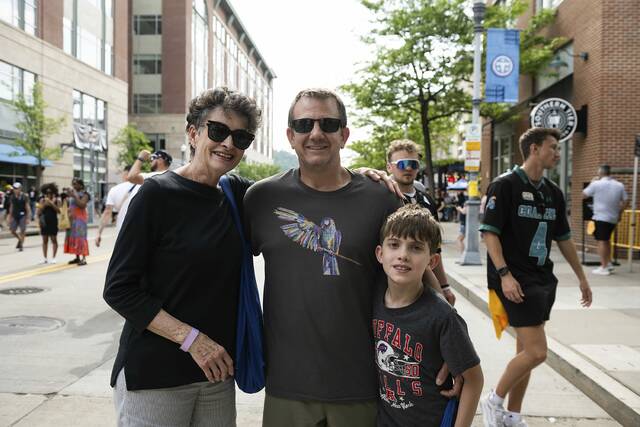
The recent NFL Draft, far from being solely a spectacle for avid football fans, has increasingly evolved into a vibrant nexus for intergenerational connection and communal celebration. This transformation is evident in the heartwarming narratives emerging from the event, where the thrill of player selections intertwines with the joy of shared experiences. Beyond the strategic decisions made by team general managers, the draft now serves as a powerful catalyst for families to forge lasting memories, underscoring a broader societal trend that values collective engagement over individual pursuits. The evolution of such major sporting events reflects a growing desire for experiences that can bridge generational divides and foster a sense of belonging. This shift is particularly notable as younger generations often introduce older family members to events they might not otherwise consider, thereby expanding horizons and creating unexpected shared interests. The palpable excitement surrounding the NFL Draft extends well beyond the confines of the stadium or the immediate vicinity of the stage. It permeates the surrounding urban landscape, transforming city streets into lively avenues of festivity. Families, often comprising multiple generations, can be seen navigating this vibrant atmosphere, their faces alight with anticipation. For many, like Gail Friedman, a 77-year-old resident of Mt. Lebanon, the primary motivation for attending was not the athletic prowess on display but the opportunity to connect with her grandchildren. "I'm not very sports-oriented, but I wanted to come because it's Pittsburgh," she shared, highlighting a sentiment echoed by numerous attendees who prioritized family togetherness. This perspective reveals a significant aspect of the draft's appeal: its capacity to act as a unifying force, drawing individuals together under a common banner of shared experience, regardless of their individual sporting allegiances or levels of engagement with the sport itself. The event, therefore, becomes more than just a draft; it becomes a destination for family bonding. The economic and social ripple effects of hosting an event of this magnitude are substantial and far-reaching, impacting not only the immediate host city but also the surrounding regions. Local businesses experience a significant boost in revenue as attendees flock to restaurants, shops, and hotels, creating a palpable sense of economic vitality. Beyond the financial gains, however, the draft fosters a unique sense of civic pride and community cohesion. Residents, often energized by the influx of visitors and the shared excitement, come together to showcase their city's hospitality and unique character. This communal spirit is further amplified by the diverse array of activities and entertainment options that typically accompany the draft, catering to a wide range of interests and ages. From interactive fan zones and live music performances to local culinary showcases, these elements contribute to an immersive and engaging experience for everyone involved. The draft, in essence, becomes a powerful platform for cities to highlight their cultural attractions and enhance their global appeal. The personal impact on attendees, particularly those who might not typically engage with professional sports, can be profound. For individuals like Mrs. Friedman, the draft presented an opportunity to step outside her usual routine and embrace a new experience alongside her loved ones. This willingness to participate, often spurred by the desire to connect with younger family members, can lead to unexpected discoveries and the formation of new shared interests. The draft's inclusive atmosphere, designed to appeal to a broad audience, ensures that even those with minimal knowledge of football can find enjoyment and a sense of belonging. This inclusivity is crucial in fostering genuine connection, as it allows for the creation of shared narratives and memories that transcend individual preferences or prior familiarity with the sport. The event thus serves as a powerful reminder of the value of intergenerational engagement and the simple joy of spending quality time together. Furthermore, the NFL Draft’s success in attracting diverse family groups underscores a broader cultural shift towards prioritizing experiential consumption. In an era where material possessions often take a backseat to unique and memorable experiences, events like the draft offer a compelling value proposition. Families are increasingly seeking opportunities to create shared stories and traditions, and the draft, with its blend of excitement, community, and opportunity for connection, fits this desire perfectly. The planning and execution of such large-scale events also highlight the collaborative efforts required to bring them to fruition, involving city officials, local businesses, volunteers, and the NFL itself. This intricate coordination is a testament to the power of collective action and its ability to create something truly special for a community. The resulting atmosphere is one of shared accomplishment and celebration. The legacy of the NFL Draft extends beyond the immediate aftermath of player selections and fan celebrations. It leaves an indelible mark on the host city, often in the form of enhanced infrastructure, increased tourism, and a strengthened sense of community pride. The positive experiences shared by families during the draft can foster a lasting appreciation for the city and its attractions, encouraging repeat visits and further economic development. Moreover, the stories of connection and shared joy that emerge from the event serve as powerful testimonials to its broader impact, inspiring future participation and reinforcing its status as a premier family-friendly destination. The draft, in this regard, becomes a significant cultural touchstone, weaving itself into the fabric of the host city's identity and leaving a positive, enduring impression. The strategic decision-making inherent in the NFL Draft, while central to the competitive aspect of the sport, is but one layer of its multifaceted appeal. The true resonance of the event lies in its capacity to bring people together, transcending differences in age, background, and even sports allegiance. The presence of multi-generational families, engaging in shared activities and creating new memories, illustrates the draft’s evolving role as a communal gathering. This inclusive environment ensures that the excitement of the draft is accessible and enjoyable for everyone, fostering a sense of unity and shared purpose. The event serves as a powerful reminder that in our increasingly fragmented world, opportunities for genuine human connection are invaluable, and major sporting events, when thoughtfully curated, can play a significant role in providing them. Ultimately, the NFL Draft has successfully reinvented itself from a purely sports-centric event into a comprehensive celebration of community, family, and shared experiences. The narratives of families creating lasting memories, of individuals connecting across generations, and of cities coming alive with vibrant energy all point to a successful evolution. This broader impact, encompassing economic benefits, social cohesion, and profound personal connections, solidifies the NFL Draft's position as a significant cultural phenomenon. Its ability to foster such diverse and positive outcomes ensures its continued relevance and appeal for years to come, serving as a blueprint for how major events can maximize their positive influence on society.
In Brief
The NFL Draft has evolved into a significant event for families to create lasting memories and strengthen bonds, drawing attendees like Gail Friedman who prioritize togetherness over sports interest. Beyond the game, the draft fosters community spirit, provides economic boosts to host cities, and offers valuable shared experiences that transcend generational divides.Advertisement



Comments
No comments yet. Be the first to comment!