
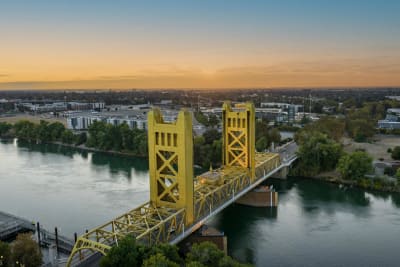
A seemingly minor shift in traffic light timing, often over a split-second decision at a yellow light, has become a deadly gamble for drivers and pedestrians alike on a notorious stretch of Florin Road in Sacramento. This vital artery, notorious for frequent and often fatal collisions, is now the site of a significant technological intervention aimed squarely at tackling the pervasive problem of red light running. The initiative, costing over $5 million, focuses on a one-mile segment between 24th Street and Munson Way, a corridor that has tragically claimed lives and left families shattered. The human cost of this dangerous intersection is starkly illustrated by the experience of Damien Phillips, a local resident who witnesses near-misses daily. "A lot of people tend to speed up to get through that light because they don't want to sit there," Phillips observed, highlighting the aggressive driving behavior that often escalates into perilous situations. His words paint a vivid picture of the split-second calculations drivers make, often prioritizing expediency over safety, with devastating consequences. The fear of being delayed is so potent that it overrides the instinct for caution, turning routine commutes into high-stakes gambles. Florin Road's grim reputation is more than anecdotal. It consistently ranks among Sacramento's top five most dangerous streets. The gravity of the situation was underscored last October when a 60-year-old man lost his life due to a hit-and-run driver at one of the very intersections now targeted for improvement. Tragically, two other pedestrians have succumbed to traffic violence along this road already this year, underscoring the urgent need for intervention. These statistics are not just numbers; they represent stolen futures and profound grief. At the heart of the city's response is the deployment of 'advanced dilemma zone detectors,' a sophisticated radar-based system manufactured by Wavetronix. These sensors are designed to intelligently manage traffic light cycles. When a vehicle approaches an intersection at speed, the system can detect if it's too late to safely stop for the impending yellow light. Instead of forcing a sudden, dangerous deceleration, the technology can extend the green light, allowing the approaching vehicle to pass through the intersection safely. This proactive approach aims to prevent the dangerous scenarios that lead to collisions. Don Leavitt, a representative from Wavetronix, explained the system's nuanced function. "When the light turns yellow, the driver doesn't know exactly what to do," he stated. "If they don't have enough time to come to a safe stop and they slam on their breaks they run the risk of getting hit from behind. If they try to beat the red light and get through the intersection, they increase the likelihood that they might be involved in a t-bone or side-on accident. Both of them are equally bad." Leavitt’s explanation underscores the dual dangers the technology seeks to mitigate: rear-end collisions caused by abrupt stops and the catastrophic side-impact crashes that result from running red lights. The investment of over $5 million in this particular stretch of Florin Road reflects a broader commitment to traffic safety enhancements. Beyond the dilemma zone detectors, the city's plans include substantial upgrades to cycling infrastructure, pedestrian crossings, and sidewalks. These complementary improvements are crucial, as they create a safer environment for all road users, not just those in vehicles. Enhanced crosswalk signals and improved sidewalks can provide greater visibility and security for pedestrians, while better bike lanes encourage safer cycling habits. This story resonates deeply because it taps into a universal fear of traffic dangers and the frustration with preventable accidents. Many people have experienced the anxiety of approaching a yellow light or witnessed aggressive driving, making the problem relatable. The fact that a technological solution, funded by a mix of local and federal resources, is being implemented offers a tangible sense of hope. It speaks to the public's desire for safer communities and their expectation that governments should leverage innovation to address critical safety issues. What much of the initial reporting misses is the systemic nature of the problem and the integrated approach being taken. While the advanced dilemma zone detectors are the headline technology, they are part of a larger, multi-faceted strategy. Focusing solely on the detectors risks overlooking the importance of the associated pedestrian and cyclist safety improvements. These broader enhancements, like improved crosswalk visibility and dedicated bike lanes, are equally vital in creating a holistic safety ecosystem that addresses the diverse needs of all road users and tackles the root causes of dangerous driving behavior. The Sacramento City Council is expected to formally approve further funding for this extensive project in the coming week, signaling a crucial step towards widespread implementation. The majority of the considerable funding is being sourced from federal transportation grants, a testament to the project's alignment with national safety priorities. As these upgrades roll out, the focus will be on monitoring their effectiveness in reducing not only red light running incidents but also the overall rate of serious and fatal crashes on this critical urban corridor. The coming months will reveal whether this technological and infrastructural overhaul can truly transform Florin Road from a symbol of danger into a model of urban traffic safety.
In Brief
Updated on: May 14, 2026 / 10:50 PM PDT / CBS Sacramento \n Red light running is one of the top causes of serious car crashes in Sacramento. Now, a one-mile stretch of Florin Road between 24th and Munson Way is getting technology to helpAdvertisement



Comments
No comments yet. Be the first to comment!