
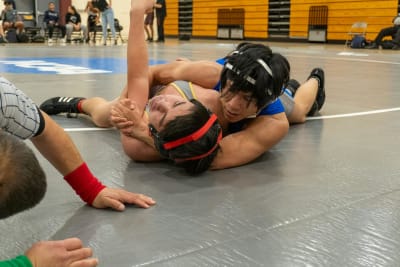
The hushed anticipation in the gymnasium was palpable, a unique blend of relief and excitement filling the air. For seniors like Jaden Meadows, this was more than just a ceremony; it was the culmination of years of sweat, sacrifice, and unwavering dedication. Around her, teammates and classmates gathered, each with their own story, ready to formally commit to the next chapter of their athletic and academic lives. Meadows, a standout wrestler from Sandia High School, clutched a letter of intent, her gaze fixed on a future etched in the competitive spirit of collegiate sports. This moment, observed by proud parents and supportive coaches, signaled the end of an era in New Mexico high school athletics and the beginning of promising collegiate careers for many. Meadows' path to this point is nothing short of extraordinary. As a four-time state champion in girls' wrestling, a sport that has only recently gained official sanctioning in the state, her dominance has been remarkable. She concluded her senior season with an unblemished 36-0 record, securing the 170-pound state title. Her high school career trajectory showcases an almost unheard-of level of consistent success, having gone undefeated in three of her four years at Sandia and losing a mere single match as a junior. This level of sustained performance speaks volumes about her discipline and talent, making her a highly sought-after recruit for collegiate programs. The signing day festivities at Cleveland High School painted a broader picture of the region's athletic talent pool. Beyond Meadows' significant achievement, the event highlighted the collegiate aspirations of several other accomplished student-athletes. Among them were wrestling standouts Roman Luttrell, a five-time state champion, who will continue his career at Utah Valley University, and Eloise Woolsey, a two-time champion, heading to Colorado Mesa. The diverse range of commitments, spanning sports like basketball, soccer, and volleyball, underscores the depth of athletic prowess nurtured within the local school districts and the increasing opportunities available to these young individuals at the next level. Beneath the surface of these celebrated signings, a less visible but equally significant narrative is unfolding within the state's athletic departments: a wave of coaching changes. St. Pius High School recently parted ways with Brio Rode, the girls' basketball coach who led the team to a state championship game appearance just two years ago and reached the semifinals the season prior. Rode, who was informed of the decision recently, expressed uncertainty regarding the school's rationale. This departure, coupled with ongoing searches for new athletic directors and coaches at other institutions, such as Bosque School and Rio Grande High, suggests a period of significant transition and strategic realignment across various programs. These coaching shifts, while often framed as routine personnel decisions, can have profound impacts on team culture, player development, and overall program trajectory. The departure of experienced leaders like Rode, who achieved considerable success, raises questions about the underlying factors driving these changes. Are they performance-based, or do they reflect evolving institutional priorities? Understanding these dynamics is crucial for appreciating the broader landscape of high school athletics, where stability in leadership often correlates with sustained success and positive athlete experiences. Examining the data, the rise of girls' wrestling as a state-sanctioned sport, exemplified by Meadows' career, is a testament to evolving opportunities for female athletes. Her four state titles and near-perfect record are not just personal triumphs but indicators of the growing competitive landscape in sports previously dominated by male participants. Similarly, the breadth of commitments across various sports and universities illustrates the increasing pathways available for New Mexico's student-athletes, moving beyond local institutions to national and regional programs. Stakeholder perspectives offer further insight. While athletes like Meadows and Luttrell are focused on their immediate future and the opportunities ahead, administrators and parents grapple with the broader implications of these transitions. The retirement of veteran athletic director Jeaney Garcia after six years at Bosque School, and a distinguished thirty-year career in AD roles, signifies the loss of institutional knowledge and established networks. Such departures necessitate new leadership that can build upon existing foundations while navigating the ever-changing demands of collegiate recruitment and athletic program management. This confluence of individual achievement and institutional flux prompts reflection on what actions readers should consider. For aspiring young athletes, it highlights the importance of consistent effort, seeking out strong mentorship, and understanding the collegiate recruitment process. For parents and community members, it underscores the value of supporting high school athletic programs and advocating for stable, experienced leadership. Awareness of these coaching changes also encourages a deeper look into the decision-making processes within educational institutions and their commitment to fostering thriving athletic environments. Looking ahead, the focus will be on how these new coaching hires perform and whether they can replicate or surpass the success of their predecessors. The continued development of emerging sports and the long-term impact of these leadership transitions on New Mexico's athletic landscape will be critical indicators to monitor in the coming seasons. The trajectory of athletes like Jaden Meadows and Roman Luttrell will also provide a benchmark for future generations navigating similar pathways.
In Brief
As New Mexico's top athletes commit to collegiate programs, a behind-the-scenes shift in coaching leadership across several high schools adds complexity to the state's sports scene.Advertisement




Comments
No comments yet. Be the first to comment!