
Story in Brief
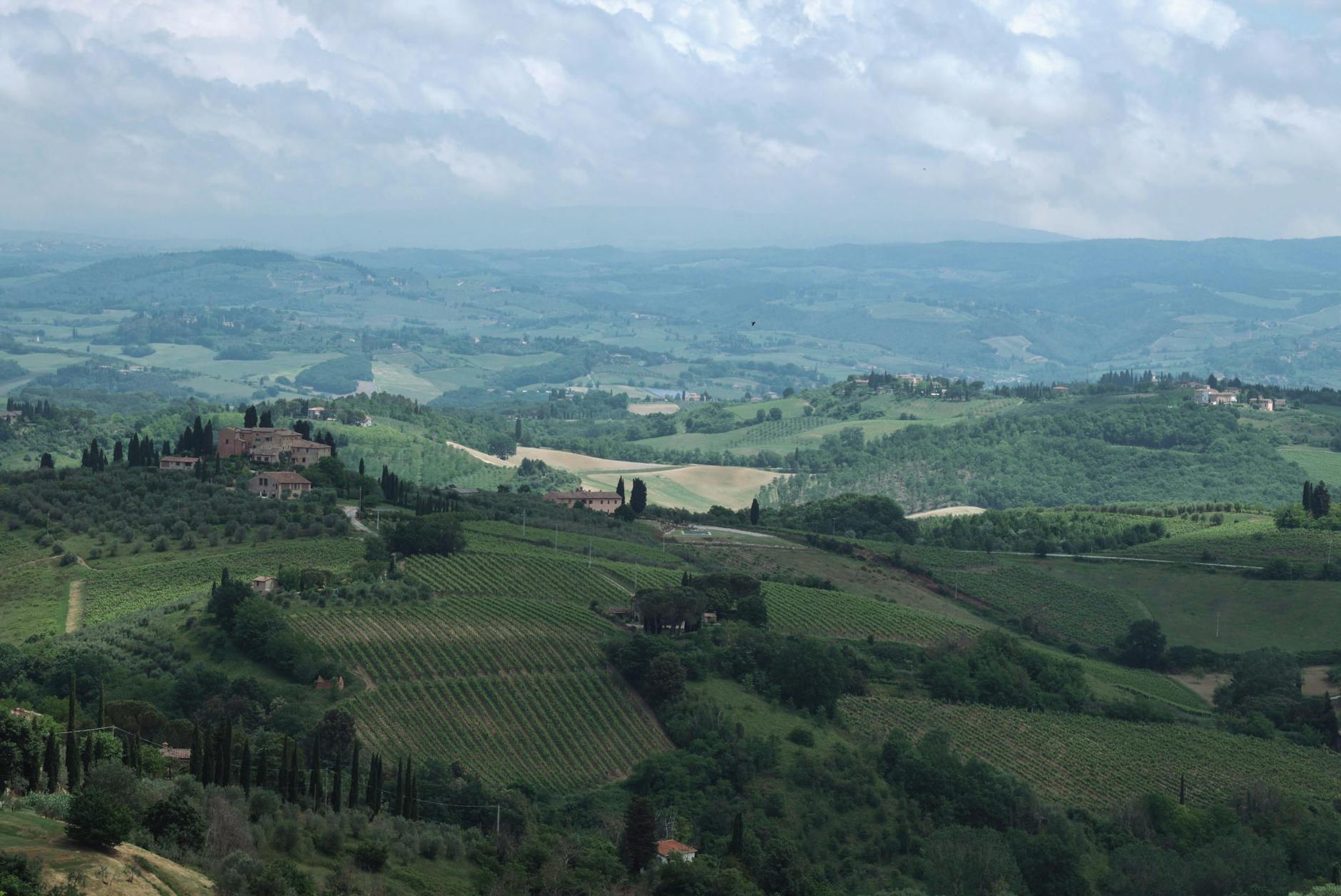
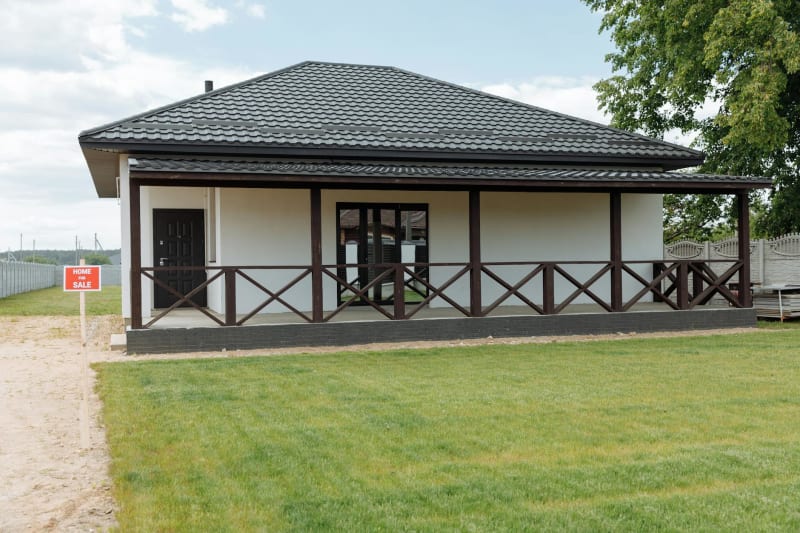
A significant piece of Napa Valley's agricultural and conservation history is now on the market, with the 1,100-acre Wild Horse Ranch in Knights Valley listed for $35 million. This vast estate, once championed by its owner as a model of sustainable beef ranching and environmental stewardship, offers a rare opportunity to acquire a substantial landholding in one of California's most coveted regions. The property boasts diverse topography, including rolling hills, vineyards, and significant open space, presenting a unique proposition for a buyer seeking privacy, agricultural potential, or a legacy estate. Its sale marks the end of an era for a property that has been a prominent fixture in local discussions about land use and conservation.
The ranch's listing price reflects its prime location, size, and the considerable investment made in its infrastructure and conservation efforts over the years. Knights Valley, known for its cooler climate and distinct terroir compared to other Napa appellations, offers a unique setting for viticulture, alongside its established ranching heritage. The estate's features include extensive pastures, water rights, and potential for vineyard development, appealing to a range of high-net-worth individuals or entities. However, the sale also brings renewed attention to the delicate balance between preserving Napa's agricultural landscape and the potential for development, a perennial issue in this economically vital yet environmentally sensitive area.
This offering comes at a time when Napa County continues to grapple with growth pressures and the increasing value of agricultural land. The Wild Horse Ranch has long been recognized for its commitment to ecological practices, making its transition to new ownership a point of interest for environmental groups and agricultural advocates alike. The future use of this expansive property will undoubtedly be closely watched, as it represents not just a significant real estate transaction but also a potential turning point for land conservation strategies within the broader Bay Area. The $35 million price tag underscores the immense value placed on such large, undeveloped parcels in a region where land is increasingly scarce.
Policy Snapshot
- The property is situated within Napa County's agricultural preserve, which generally restricts development to agricultural uses and limits residential building envelopes to protect open space and farming.
- California's Williamson Act, which offers property tax benefits for land preserved for agricultural and open space uses, likely applies to a significant portion of the ranch, influencing its tax burden and future development potential.
- Local zoning ordinances and the Napa County General Plan emphasize the preservation of agricultural land and scenic resources, requiring careful review and approval for any proposed changes in land use or significant new construction.
- Environmental regulations, including those related to water quality, habitat protection, and vineyard development, will play a crucial role in determining how the property can be utilized by a new owner.
- The potential for conservation easements, either voluntary or as part of a development approval process, could be a significant factor in the ranch's future, allowing for permanent protection of large areas while potentially enabling limited development elsewhere.
- Napa County's stringent vineyard development policies, which often require extensive environmental impact reviews and limit the expansion of new vineyards into sensitive areas, will be a key consideration for any potential agricultural redevelopment.
The Ranch's Legacy
The Wild Horse Ranch, a sprawling 1,100-acre property nestled in the picturesque Knights Valley, has long been recognized as a significant agricultural and ecological asset within Napa County. For decades, it served as a prominent example of large-scale, sustainable beef ranching, managed with a deep commitment to environmental stewardship. The owner, a vocal advocate for conservation, integrated practices aimed at preserving the land's natural beauty and biodiversity while maintaining productive agricultural operations. This dual focus on ranching excellence and ecological responsibility positioned the ranch as a model for others in the region, showcasing how economic viability and environmental health could coexist.
Knights Valley, characterized by its rolling hills and proximity to the Sonoma County border, offers a unique microclimate within the broader Napa Valley wine region. While renowned for its Bordeaux varietals, the valley's extensive open spaces have historically supported a robust ranching culture. The Wild Horse Ranch, with its vast acreage, embodies this heritage, providing ample grazing land and a sanctuary for wildlife. The infrastructure developed over the years, including fencing, water systems, and potential building sites, reflects a long-term vision for managing such an expansive property, balancing its agricultural productivity with its ecological significance.
The owner's dedication extended beyond daily operations; they actively participated in local land use discussions, often emphasizing the importance of preserving large tracts of open space from encroaching development. This advocacy stemmed from a profound understanding of the ecological services these lands provide, from watershed protection to habitat for native species. The ranch became a symbol of this philosophy, demonstrating that large-scale agricultural enterprises could be managed in a way that enhances, rather than degrades, the natural environment. The decision to list such an iconic property now raises questions about the future trajectory of land management and conservation in Napa County.
Who Is Affected
The most immediate stakeholders are potential buyers seeking a substantial landholding in a prestigious California locale. This includes wealthy individuals, families looking for legacy properties, agricultural investors interested in vineyards or cattle operations, and conservation-minded organizations or individuals aiming to preserve the land. The $35 million price tag positions this offering squarely in the ultra-luxury real estate market, attracting a very specific and exclusive pool of prospective owners who can afford the acquisition and ongoing stewardship costs associated with such a significant estate.
Local environmental groups and conservation advocates will be keenly observing the sale. They have a vested interest in ensuring that the ranch's ecological values are maintained, potentially through conservation easements or responsible land management practices by the new owner. Any proposed changes that could impact wildlife corridors, water resources, or the visual landscape of Knights Valley will likely draw scrutiny and potential opposition from these organizations, who see the property as a critical piece of the region's natural heritage.
Napa County officials and planners are also directly affected, as the sale represents a significant land transaction that could influence future land use decisions and policy enforcement. They will be tasked with reviewing any development proposals, ensuring compliance with zoning regulations, and balancing property rights with the county's long-standing commitment to agricultural preservation and scenic beauty. The outcome of this sale could set precedents for how other large agricultural properties are managed or transferred within the county's sensitive landscape.
The broader community of Napa Valley residents, including farmers, vintners, and local businesses, will be impacted by the ranch's future. The preservation of open space contributes to the region's renowned agricultural character and tourism appeal. Conversely, any development that alters the landscape or strains local resources could affect the quality of life and the established agricultural economy that defines Napa.
The Case For Acquisition
Acquiring the Wild Horse Ranch presents an unparalleled opportunity to own a vast, contiguous parcel of land in one of the world's most desirable agricultural and scenic regions. The 1,100 acres offer immense potential for various high-value uses, from expanding existing vineyards known for producing premium Bordeaux varietals to establishing new ones, capitalizing on Knights Valley's unique terroir. The sheer scale of the property also allows for significant privacy and exclusivity, a rarity in Napa County where land is highly fragmented and intensely developed.
The ranch's established infrastructure, including robust water systems and potential building sites, signifies a legacy of careful management and provides a solid foundation for future endeavors. Furthermore, the property's inherent natural beauty, diverse topography, and existing conservation efforts make it an attractive prospect for buyers prioritizing environmental stewardship alongside investment. The potential to implement cutting-edge sustainable practices or further enhance the land's ecological value adds another layer of appeal for conscientious purchasers.
From an investment perspective, large landholdings in prime Napa Valley locations are increasingly scarce and tend to appreciate significantly over time. The $35 million listing price, while substantial, reflects the exceptional nature of the offering—a chance to acquire a significant portion of a world-renowned agricultural landscape. This acquisition could represent not just a personal estate or business venture but a generational asset with enduring value and prestige, offering a unique blend of agricultural productivity, natural splendor, and investment security.
Concerns and Challenges
The primary concern surrounding the sale of Wild Horse Ranch revolves around the potential for its fragmentation or development, which could irrevocably alter the character of Knights Valley and Napa County's agricultural landscape. Despite existing land use regulations, the sheer size and value of the property could incentivize proposals that push the boundaries of what is permissible, potentially leading to increased vineyard sprawl into sensitive habitats or the creation of exclusive, high-density residential enclaves.
The substantial price tag of $35 million inherently limits the pool of potential buyers, raising questions about who will ultimately acquire the land and what their priorities will be. If the new owner lacks a strong commitment to conservation or sustainable agriculture, the ranch's ecological integrity could be compromised. This could manifest as intensive farming practices that deplete soil health, excessive water usage, or the destruction of wildlife habitats in pursuit of maximizing economic returns.
Furthermore, any significant changes to land use or development on such a large scale would likely face intense scrutiny and potential opposition from local conservation groups and residents who value the existing open space. Navigating the complex web of county regulations, environmental reviews, and community sentiment could prove challenging and costly for a new owner, potentially leading to protracted disputes and uncertainty about the property's long-term future. The legacy of conservation associated with the ranch adds pressure to ensure its next chapter aligns with its environmental heritage.
Policy Questions Answered
Implementation Watch
The immediate focus will be on the marketing and sale process of the Wild Horse Ranch. Real estate professionals specializing in high-value agricultural and luxury properties will likely be involved, targeting a global clientele. The transparency of this process, including how potential buyers are vetted and what information is shared regarding their intentions for the property, will be crucial for stakeholders concerned about its future. Any early indications of development plans or conservation commitments from prospective buyers will be closely watched.
Following the sale, the implementation phase will involve the new owner navigating Napa County's regulatory landscape. This includes understanding and adhering to existing zoning, the Williamson Act contract (if applicable), and environmental protection ordinances. Any proposals for significant changes, whether agricultural intensification, vineyard expansion, or new construction, will trigger formal review processes. The county's planning department will be the primary agency overseeing compliance and approving any modifications to the property's current use or infrastructure.
Environmental and community groups will likely maintain a vigilant watch, monitoring the property for any signs of environmental degradation or unauthorized development. They may engage proactively with the new owners or the county to advocate for conservation measures. The long-term implementation success will hinge on the new owner's commitment to sustainable practices and their ability to balance economic objectives with the ecological and community values that define Napa Valley.


















Comments
No comments yet. Be the first to comment!