
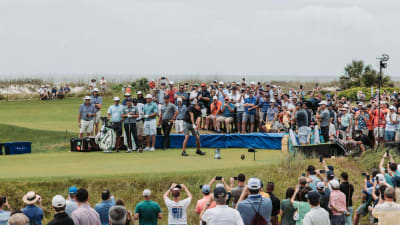
The glittering spectacle of the PGA Championship, descending upon the usually tranquil streets of Newtown Square, was widely heralded as an economic triumph for the Philadelphia region. Officials and organizers projected a windfall, with Pennsylvania Governor Josh Shapiro estimating a staggering $200 million injection into the local economy. The event anticipated over 200,000 attendees descending upon Aronimink Golf Club over six days, a surge of activity that, on the surface, suggests a bustling marketplace for surrounding businesses. However, a closer examination reveals a more complex and, for some, disappointing reality, where the promised economic tide has failed to lift all boats. This narrative challenges the conventional wisdom that large-scale sporting events automatically translate into broad-based prosperity for their host communities. While some establishments undoubtedly experienced a surge in patronage, particularly those directly catering to the tournament's infrastructure or official hospitality, the ripple effect many anticipated simply did not materialize for a significant segment of the small business landscape. The concentration of economic activity within the tournament's confines, coupled with logistical challenges for local residents, appears to have created a bifurcated economic impact, leaving many storefronts unusually quiet. The immediate beneficiaries, as expected, were entities strategically positioned to serve the influx of fans and event staff. Restaurants and hotels within close proximity, or those with pre-arranged contracts for catering and accommodation, reported a noticeable uptick in business. For instance, establishments like A Cut Above Deli, a local eatery, cited a significant increase in sales, attributing it to orders from broadcast crews and increased local demand stimulated by the event's presence. This segment of the economy experienced the direct, intended boost. However, the story is starkly different for businesses located a few miles from the manicured fairways of Aronimink. Owners like Luigi Lemme, co-proprietor of Luigi and Giovanni's Italian market, expressed frustration over a week of unexpectedly slow sales. Lemme noted that his business has been consistently hurt by the event, only partially offset by a catering contract specifically for the tournament. This sentiment was echoed by Anne Marie Hare, owner of Bunny Hare's gift shop, who observed thousands of fans being shuttled to and from designated parking areas and the golf club, bypassing her store entirely. The flow of potential customers was effectively rerouted, bypassing the very businesses that might typically benefit from increased foot traffic. The reasons for this disparity are multifaceted. A primary factor appears to be the tournament's self-contained nature. With admission covering food and non-alcoholic beverages, and extensive merchandise tents on-site, spectators had fewer incentives to venture out for meals or impulse purchases. Furthermore, the logistical arrangements, while necessary for managing such a large crowd, inadvertently created barriers. Dedicated shuttle services and the establishment of remote parking lots, while efficient for tournament operations, meant that attendees were less likely to explore local shopping districts or stop at independent shops en route. Residents, too, reportedly stayed away from town centers due to anticipated traffic congestion and disruptions, further diminishing the local customer base. The economic impact, therefore, became highly localized, primarily benefiting those businesses with direct ties to the PGA's operations or those located within the immediate vicinity of the main transport hubs. For the majority of small businesses in Newtown Square, the championship represented not an opportunity, but a disruption. The anticipated surge in discretionary spending by a transient population did not materialize, leaving many to question the true value of hosting such large-scale events when the economic benefits are so narrowly distributed and the operational disruptions can actively deter local patronage. This situation highlights a critical need for event organizers and local authorities to develop more inclusive economic strategies. Instead of relying solely on the broad projections of tourism revenue, there should be a concerted effort to actively funnel economic benefits to a wider array of local enterprises. This could involve incentivizing attendees to visit local businesses, creating more accessible and integrated transportation options that encourage exploration of the wider community, or developing partnership programs that directly link event spending with small business support initiatives. Moving forward, the conversation surrounding major event hosting must shift from mere economic impact projections to tangible, measurable benefits for the entire business community. As Newtown Square recovers from the shadow of Aronimink, what will be the lasting legacy of the PGA Championship? Will lessons be learned about equitable economic distribution, or will this serve as another instance where grand promises are met with quiet storefronts and unanswered questions about who truly benefits from the spotlight?
In Brief
While the PGA Championship promised an economic boom, many Newtown Square small businesses report stagnation, challenging the narrative of widespread prosperity from major sporting events.Advertisement




Comments
No comments yet. Be the first to comment!