
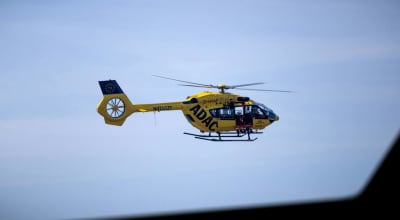
In a move poised to significantly enhance emergency medical response capabilities across eastern Iowa, the University of Iowa's AirCare program has officially opened its new, state-of-the-art helipad and crew quarters facility in Davenport. This strategic expansion, culminating in a recent ribbon-cutting ceremony, marks a pivotal moment for critical care transport in the Quad Cities region, bringing advanced life-saving resources closer to those in urgent need. The establishment of this Davenport base is more than just a physical expansion; it represents a crucial upgrade in operational efficiency. Previously, while AirCare served the Quad Cities area since 2024, crews and aircraft were not stationed locally. This meant valuable time was lost in transit from more distant bases. The new facility, featuring dedicated crew living quarters directly adjacent to the helipad, dramatically reduces response times. This proximity ensures that highly trained medical teams and specialized aircraft can be airborne within minutes of receiving a critical call, a delay that can make the difference between life and death in time-sensitive medical emergencies. Historically, the development of air medical services has been driven by the need to overcome geographical barriers and reduce transport times for critically ill or injured patients. Early air ambulances, often repurposed military aircraft, demonstrated the potential for rapid transport. Over decades, the technology has evolved from basic transport to sophisticated flying intensive care units, equipped with advanced medical devices and staffed by specialized flight nurses and paramedics. The University of Iowa's AirCare program itself has a long-standing reputation for providing high-quality care, and this new Davenport location is a testament to its commitment to continuous improvement and wider reach. The current situation sees the Davenport base operational, ready to serve not only the immediate urban centers of the Quad Cities but also surrounding rural communities where access to advanced trauma and critical care can be significantly limited. The facility's integration into the local emergency medical services infrastructure means seamless coordination with ground ambulances, hospitals, and other first responders. This collaborative approach is vital, as air medical transport is often the final link in a chain of care that begins with local EMTs and paramedics at the scene of an accident or medical crisis. This expansion carries significant societal implications, particularly for rural populations who often face longer travel times to specialized medical facilities. By placing a dedicated air ambulance team and aircraft in Davenport, the University of Iowa is effectively democratizing access to critical care. It means that a severe accident on a remote highway, a sudden cardiac event in a small town, or a complex obstetric emergency in a less populated area can now be met with the same speed and expertise as if it occurred in a major metropolitan hospital's backyard. This can lead to better patient outcomes, reduced long-term disability, and potentially save more lives. The social media landscape has buzzed with reactions to the news, largely positive. Local community groups and news outlets shared images from the ribbon-cutting, highlighting the new facility and its potential impact. Online discussions frequently centered on the perceived improvement in emergency services, with many residents expressing relief that faster access to critical care is now a reality for their region. The transparency of the University of Iowa's AirCare program in announcing and showcasing the new base has fostered public trust and reinforced its role as a vital community asset. Looking beyond the immediate operational benefits, the Davenport hub is expected to foster greater collaboration and knowledge sharing within the broader emergency medical services community. The presence of a highly specialized air medical team can serve as a resource for ground crews, offering training opportunities and insights into advanced patient care protocols. This can elevate the standard of emergency medical response across the entire region, creating a ripple effect of improved care that extends far beyond the direct flights of the AirCare helicopter. The future outlook for AirCare in Davenport is one of sustained service and potential growth. As the facility becomes more integrated into the regional emergency network, its value will continue to be realized through successful patient transports and improved outcomes. The University of Iowa will likely monitor the operational data and community needs closely, potentially identifying further opportunities to enhance its air medical network. This investment underscores a growing trend in healthcare: proactive placement of critical resources to meet demand before a crisis fully unfolds. Residents can stay informed about AirCare's services and its impact on the region by following official University of Iowa Health Care and AirCare social media channels. Community members can also engage with local emergency medical services to understand how air transport fits into the broader emergency response system. Supporting initiatives that bolster emergency preparedness, whether through volunteerism or advocacy for healthcare funding, can further strengthen the safety net for all. Moving forward, key indicators to watch will include the reported response times from the new Davenport base, the types of critical missions AirCare undertakes in the region, and feedback from partner hospitals and emergency medical services. The long-term success will be measured not just in flights completed, but in the tangible improvements to patient survival rates and recovery journeys throughout eastern Iowa.
In Brief
University of Iowa AirCare's new Davenport base significantly cuts emergency transport times with its advanced helipad and crew quarters, enhancing critical care access for eastern Iowa residents.Advertisement





Comments
No comments yet. Be the first to comment!