
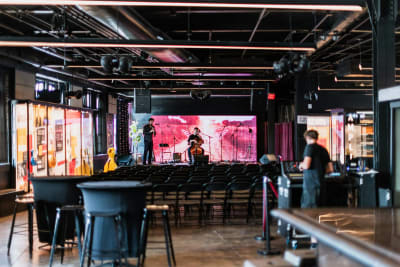
For years, music lovers associated the Soiled Dove name with a dedicated, purpose-built venue, a place where the acoustics were fine-tuned and the atmosphere was steeped in the tradition of live performance. Many assumed its permanent closure last year marked the final curtain call for an era defined by its distinctive sound and dedicated stage. Yet, the reality unfolding in Denver's upscale Cherry Creek neighborhood is far from a somber farewell; it's a surprising pivot, breathing new life into a beloved brand within the unlikeliest of settings – a bustling sports bar. This transformation is the brainchild of Frank Schultz, the entrepreneur behind the original Soiled Dove. After a challenging period of business recalidation, including the temporary closure and subsequent reopening of his Mexican cantina Otre Vez, Schultz is resurrecting the Soiled Dove not in a grand, independent hall, but within the existing framework of Chopper's Sports Grill at 80 South Madison Street. The space has undergone a significant upgrade, featuring a newly installed stage and a state-of-the-art sound system, signaling Schultz's commitment to delivering a high-quality musical experience, albeit in a more casual, integrated environment. This strategic move aims to leverage the established foot traffic and energetic vibe of a popular bar while infusing it with the musical pedigree the Soiled Dove has cultivated over decades. The significance of this revival extends beyond mere nostalgia. The Soiled Dove, originally launching in 1997 with dueling pianos and evolving into a live music hub by 1999, has a rich history in Denver's cultural landscape. Schultz recalls the early days when seeing a performer like Bruce Hornsby cost a mere $50, a stark contrast to today's often prohibitive ticket prices and parking fees in downtown areas. The venue's evolution included a purpose-built, acclaimed location in the Lowry neighborhood, designed from the ground up to address issues like parking and offer a superior sonic environment. Its closure in May 2024 left a void, underscoring the ongoing struggle for mid-sized live music venues to remain economically viable amidst rising costs and changing urban dynamics. The implications for music enthusiasts and the local arts scene are considerable. While some may initially balk at the idea of a legendary music brand operating within a sports bar, the move could democratize access to live performances. Chopper's Sports Grill, known for its lively atmosphere, is poised to become a dual-purpose destination, offering a robust sports viewing experience alongside curated live music. This integration might attract a broader audience, exposing patrons who might not typically seek out a dedicated music venue to the joys of live performance. For Schultz, it's about adaptability; he aims to book a diverse range of acts, starting with local favorites like the Railbenders and an Opie Gone Bad reunion, gradually expanding their portfolio to reflect the Soiled Dove's past offerings. Public reaction on social media platforms has been a mix of curiosity and cautious optimism. Initial comments often express surprise, with many users sharing fond memories of past Soiled Dove shows and questioning how the intimate concert atmosphere will translate to a sports bar setting. Hashtags like #SoiledDoveRevival and #DenverMusicScene are buzzing with discussions about the venue's capacity, the sound quality, and the potential for noise bleed from the bar. However, a significant segment of the online conversation acknowledges Schultz's track record and expresses faith in his ability to create a compelling experience, highlighting that "Frank knows how to build a venue" and that "if anyone can make this work, it’s him." The historical parallel that lends a deeper resonance to this story can be found in the cyclical nature of entertainment districts and venue development. Denver, like many cities, has seen its core entertainment areas shift over the decades, from the early days of LoDo's burgeoning scene to the rise of areas like Lowry and the current focus on diverse neighborhood hubs. The challenges faced by the Soiled Dove mirror broader industry trends: the difficulty of securing prime real estate, the increasing cost of operations, and the perpetual tension between urban development and cultural preservation. Schultz's current endeavor can be seen as a modern iteration of adapting to these persistent forces, finding innovative ways to keep live music accessible. This venture also touches upon the contentious issue of noise ordinances and community impact, a battle Schultz himself has faced. The legislative fights over noise control in entertainment venues, particularly in densely populated urban areas, often pit nightlife operators against residents and city officials. By integrating a music venue into an existing, and presumably well-established, bar operation in Cherry Creek, Schultz might be sidestepping some of the more aggressive regulatory hurdles that can plague standalone music clubs, especially in their initial establishment phases. It's a pragmatic approach to navigating a complex regulatory environment. Looking ahead, the success of the Soiled Dove's new iteration will hinge on several factors. The ability to consistently book quality acts that appeal to both the bar's regular clientele and dedicated music fans will be crucial. Maintaining a high standard of sound and production quality, despite the less-than-ideal acoustics of a converted space, will also be paramount. Furthermore, Schultz's capacity to manage the distinct energies of a sports bar and a live music venue simultaneously, ensuring neither detracts from the other, will define its long-term viability. The coming months will reveal whether this bold experiment in venue hybridization can truly resurrect the spirit of the Soiled Dove for a new generation of Denver music lovers.
In Brief
The legendary Soiled Dove music brand is making an unexpected comeback, not in a traditional concert hall, but within a popular Cherry Creek sports bar. Discover how this revival aims to blend live performance with a casual atmosphere, and what it means for Denver's music scene.Advertisement


Comments
No comments yet. Be the first to comment!