

What We Know
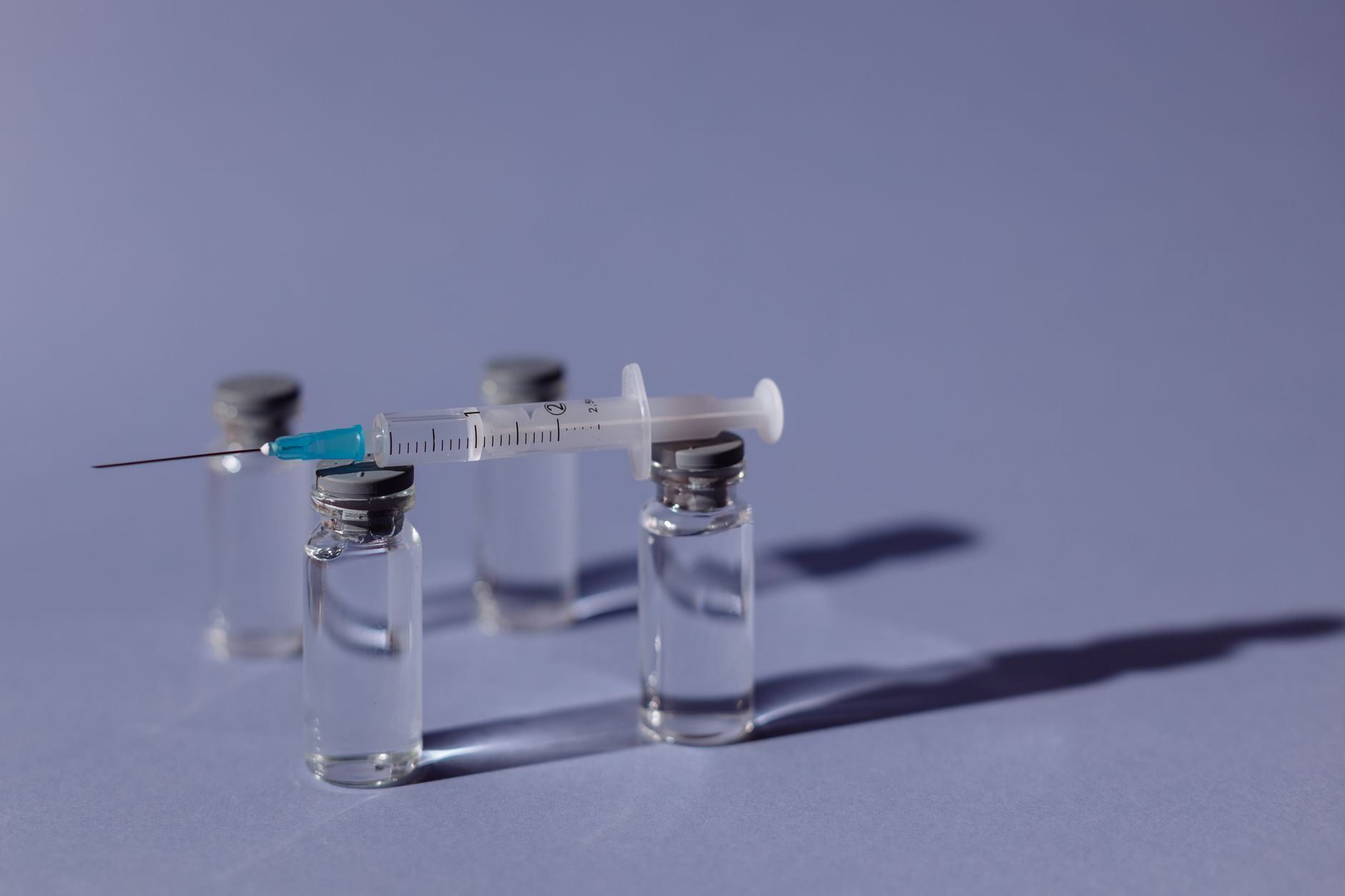
- Researchers have successfully developed an experimental vaccine specifically designed to target fentanyl, marking a significant scientific advancement in the ongoing battle against the opioid epidemic.
- Early preclinical trials conducted in various animal models have yielded highly promising results, indicating the vaccine's potential efficacy and safety in a controlled environment.
- The core mechanism of the vaccine involves stimulating the immune system to generate specialized antibodies that effectively bind to fentanyl molecules circulating in the bloodstream.
- Crucially, this binding action creates larger molecular complexes, which are then prevented from crossing the protective blood-brain barrier, a critical step in preventing the drug's effects.
- By inhibiting fentanyl from reaching the brain, the vaccine's primary objective is to prevent the severe respiratory depression that is the leading cause of fatal overdoses.
- This novel immunological approach offers a groundbreaking and potentially transformative new tool in the comprehensive arsenal required to combat the devastating and complex opioid crisis.
What We Do Not Know Yet
- The vaccine's definitive efficacy, long-term safety profile, and potential for adverse reactions in human clinical trials are still entirely unknown and require extensive investigation.
- The precise duration of protective immunity conferred by the vaccine, including how long antibodies remain effective and if booster shots will be necessary, remains to be thoroughly investigated.
- Potential side effects, allergic reactions, or other unforeseen adverse events that could manifest in human subjects are yet to be systematically identified and comprehensively evaluated.
- How the vaccine might interact with other prescription medications, illicit substances, or pre-existing medical conditions in diverse human populations is currently unclear and demands careful study.
- The eventual cost of the vaccine, its manufacturing scalability, and strategies for ensuring equitable accessibility to all at-risk populations are important future considerations that are currently undefined.
- Whether the vaccine will provide effective protection against the rapidly evolving array of fentanyl analogs and other potent synthetic opioids circulating in the illicit drug supply needs further validation.
Background
The opioid crisis, particularly driven by synthetic opioids like fentanyl, continues to devastate communities worldwide. Fentanyl, a potent synthetic opioid, is up to 50 times stronger than heroin and 100 times stronger than morphine, making it incredibly dangerous even in minute quantities. Its clandestine manufacturing and widespread distribution have led to an unprecedented surge in overdose deaths, overwhelming public health systems and leaving countless families shattered. Traditional harm reduction strategies, while vital, struggle to keep pace with the drug's lethality and pervasive reach, necessitating innovative and proactive interventions.
Current interventions primarily focus on emergency reversal with naloxone and treatment for opioid use disorder. Naloxone is highly effective at reversing an overdose if administered promptly, but it's a reactive measure, not a preventative one. Long-term treatment options, including medication-assisted treatment (MAT), are crucial for recovery but don't prevent initial exposure or accidental overdose for those not yet engaged in care. The sheer scale of the crisis demands a multi-faceted approach that includes novel preventative strategies to reduce the immediate risk of death.
The development of a fentanyl vaccine represents a paradigm shift in addressing this public health emergency. Unlike existing treatments, a vaccine could offer a prophylactic measure, potentially neutralizing fentanyl before it can exert its deadly effects. This innovative approach seeks to arm the body's immune system against the drug itself, creating a biological shield. While still in early stages, the concept holds immense promise for individuals at high risk of exposure, offering a layer of protection that current methods cannot provide and potentially saving thousands of lives.
Why It Matters
The emergence of a potential fentanyl vaccine marks a significant turning point in the ongoing battle against the opioid epidemic. Fentanyl's extreme potency means even tiny amounts can be lethal, making accidental exposure incredibly dangerous for both users and first responders. This vaccine could offer a critical layer of protection, particularly for individuals struggling with opioid use disorder or those at high risk of accidental exposure, by preventing the drug from reaching the brain and causing fatal respiratory depression. It shifts the focus from reactive overdose reversal to proactive prevention, a crucial evolution in public health strategy.
Beyond direct overdose prevention, a vaccine could alleviate immense pressure on emergency services and healthcare systems. Overdose incidents strain resources, from ambulance deployments to hospital emergency room capacity. By reducing the incidence of fatal and non-fatal overdoses, communities could reallocate resources towards treatment, recovery, and broader public health initiatives. This preventative tool could also reduce the psychological toll on families and communities constantly grappling with the fear and reality of fentanyl-related deaths, fostering a sense of hope where despair often prevails.
Furthermore, the development of such a vaccine underscores the power of scientific innovation in addressing complex societal challenges. It represents a bold step towards a future where medical science can offer a preventative shield against the devastating effects of illicit substances. While not a standalone solution, integrating a fentanyl vaccine into a comprehensive harm reduction and treatment framework could dramatically alter the trajectory of the opioid crisis, saving countless lives and offering a pathway to recovery for many more, thereby reshaping public health approaches to addiction.
Timeline of Events
- **Early 2000s:** Foundational research into drug vaccines commenced, exploring immunological principles to generate antibodies against various substances of abuse like cocaine and nicotine, establishing critical groundwork for future developments.
- **Mid-2010s:** The escalating global fentanyl crisis intensified dramatically, prompting a focused pivot in research efforts towards specifically targeting potent synthetic opioids. Academic and pharmaceutical institutions initiated dedicated projects for fentanyl-specific immunotherapies.
- **2018-2020:** Several research institutions published promising preclinical studies, unequivocally demonstrating successful antibody production and significant overdose prevention capabilities in various rodent models, thereby validating the fundamental vaccine concept.
- **Late 2021:** Researchers, notably at the University of Houston in collaboration with other leading institutions, publicly announced substantial progress with a novel fentanyl vaccine candidate, showcasing robust efficacy in preventing fentanyl-induced respiratory depression during advanced animal trials.
- **Early 2023:** Further comprehensive preclinical data was meticulously published, elucidating the vaccine's precise mechanism of action and its proven ability to effectively prevent fentanyl from crossing into the brain, strongly reinforcing its potential as a preventative medical intervention.
- **Mid-2024 (Projected):** An Investigational New Drug (IND) application is anticipated to be submitted to relevant regulatory bodies, a crucial step that would pave the way for the imminent initiation of Phase 1 human clinical trials, primarily focused on assessing safety and immunogenicity.

Rapid-Fire Q&A
What Is Coming
- **Phase 1 Human Trials:** The immediate and critical next phase involves the submission of an Investigational New Drug (IND) application to regulatory authorities, followed by the commencement of Phase 1 clinical trials designed to rigorously assess the vaccine's safety profile and its ability to elicit an immune response in a small cohort of healthy human volunteers.
- **Efficacy and Dosing Studies:** Contingent upon successful completion of Phase 1, subsequent phases (Phase 2 and 3) will meticulously evaluate the vaccine's actual efficacy in preventing fentanyl overdose within larger, carefully selected at-risk populations. Researchers will also precisely determine the optimal dosage regimen, frequency of administration, and the expected duration of protective immunity.
- **Monitoring for Analogs:** Continuous and vigilant research efforts will be absolutely crucial to ensure the vaccine maintains its effectiveness against the constantly emerging array of new fentanyl analogs and other potent synthetic opioids that frequently appear in the illicit drug supply, potentially necessitating adaptable solutions or updated formulations.
- **Regulatory Review and Approval:** Upon the successful conclusion of all required clinical trial phases, comprehensive data packages will be submitted to stringent regulatory agencies, such as the FDA. This exhaustive process involves a thorough scrutiny of every aspect of the vaccine's development, safety, and proven efficacy before any potential approval for widespread public use.
- **Manufacturing and Distribution Planning:** Simultaneously with later-stage trials and the ongoing regulatory review, robust plans for large-scale manufacturing, efficient distribution logistics, and strategies for ensuring equitable access will need to be meticulously developed. This includes devising effective approaches to reach vulnerable populations and seamlessly integrate the vaccine into existing public health infrastructure.
- **Public Health Integration:** Once formally approved, the vaccine will require thoughtful and strategic integration into broader public health initiatives. This encompasses harm reduction programs, comprehensive addiction treatment services, and extensive public educational campaigns, demanding collaborative efforts among healthcare providers, public health officials, and community organizations to maximize its societal impact.















Comments
No comments yet. Be the first to comment!