
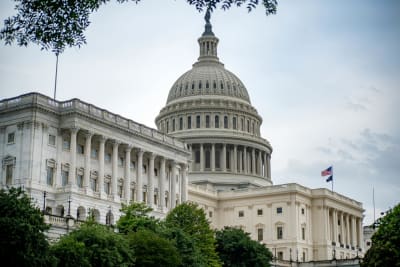
The current push by Senate Republicans for a substantial, multi-year funding package for border security and immigration enforcement is not an isolated event. It echoes a recurring theme in American political discourse, one that has intensified over decades. Historically, the U.S. has grappled with managing its borders, but the scale and urgency of these debates have dramatically shifted since the mid-20th century. Post-World War II, immigration policies were often more open, but the latter half of the century saw a gradual increase in border control measures, influenced by geopolitical shifts and evolving domestic concerns. This latest proposal, totaling $72 billion through 2029, represents a significant escalation in financial commitment compared to past ad-hoc appropriations. The genesis of this specific legislative effort can be traced to recent congressional stalemates. A partial funding bill for the Department of Homeland Security passed on April 30, leaving critical agencies like Immigration and Customs Enforcement (ICE) and Customs and Border Protection (CBP) in a precarious financial state. This created a funding gap that lasted an extended period, underscoring the deep partisan divisions surrounding immigration policy. The current Republican proposal aims to fill that void and establish a more predictable, long-term funding stream for these agencies, moving beyond the cycle of short-term continuing resolutions and contentious budget battles that have characterized recent years. At its core, the $72 billion package is designed to significantly enhance the operational capacity of U.S. border and immigration agencies. Key allocations include a substantial $28 billion earmarked for ICE detention and removal operations, which would fund approximately 50,000 detention beds. This represents a significant expansion of detention capacity, aligning with a long-standing emphasis on holding individuals awaiting immigration proceedings. Furthermore, $22 billion is dedicated to bolstering surveillance technology, encompassing everything from advanced sensor networks and drone fleets to sophisticated surveillance towers aimed at increasing real-time monitoring of border regions. The human element of border security is also a focal point, with $15 billion slated for the hiring of 5,000 new Border Patrol agents and improvements to the compensation and benefits of existing personnel. This aims to address staffing shortages and enhance the effectiveness of those on the front lines. An additional $7 billion is designated for critical infrastructure projects, including further construction of border barriers and upgrades to existing ports of entry, signaling a commitment to physical and logistical enhancements along the nation's borders. This plan resonates with a segment of the public deeply concerned about border security and the perceived challenges of managing irregular migration. For many ordinary Americans, the issue is not abstract; it touches on concerns about national sovereignty, the rule of law, and the allocation of taxpayer resources. The visual narratives of large numbers of people arriving at the border, often amplified through news cycles, create a sense of urgency that policymakers are attempting to address. The GOP proposal taps into this sentiment, offering a seemingly comprehensive solution that promises increased control and order. Examining the broader landscape of immigration detention reveals a complex ecosystem. As documented by authors like Michelle Malkin in "Open Borders Inc.," both Democratic and Republican administrations have historically expanded private prison corporations' role in detention. Companies such as GEO Group and CoreCivic have secured substantial contracts, holding a significant portion of ICE detainees. This raises questions about the economic incentives driving detention policy and the potential for profit motives to influence the scale and nature of immigration enforcement, a point often overlooked in public discourse. Concerns about the conditions within these detention facilities are also a significant part of the conversation. Reports, including those cited by Human Rights Watch and detailed in works like John Carlos Frey's "Sand and Blood," have raised serious allegations regarding the adequacy of medical care provided to detainees. These documented instances of substandard health provisions highlight the human cost of large-scale detention operations and fuel ethical debates surrounding the government's responsibility for the well-being of those in its custody. Senate Majority Leader John Thune has articulated the Republican viewpoint, stating the plan provides "the resources necessary to secure our border." Conversely, Democratic critics are likely to question the cost-effectiveness, the human rights implications of expanded detention, and whether the focus on enforcement alone addresses the root causes of migration. The debate is expected to be vigorous, touching upon differing philosophies of governance and the role of government in managing immigration. Looking ahead, the passage of such a substantial, multi-year funding package will depend heavily on bipartisan negotiation, a prospect that appears challenging given current political realities. Observers will be watching closely for any signs of compromise or shifts in party stances. The long-term implications for immigration policy, the lives of migrants, and the financial landscape of border enforcement agencies will be shaped by the outcome of these critical deliberations.
In Brief
Senate Republicans have unveiled a $72 billion, five-year plan to significantly expand border security and immigration enforcement, including more detention beds and advanced surveillance. This ambitious proposal aims to address funding gaps and intensify operations.Advertisement




Comments
No comments yet. Be the first to comment!