
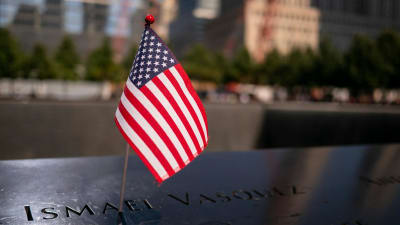
{ "title": "Giuliani's Bid for 9/11 Health Benefits Sparks Fierce Debate Over Eligibility", "content": "Rudy Giuliani, the former mayor of New York City and a prominent figure in the aftermath of the September 11th terror attacks, is seeking to have his recent medical expenses, including treatment for a severe case of pneumonia and a diagnosis of restrictive airway disease, covered by the World Trade Center Health Program. This federal initiative, established to provide lifelong medical monitoring and treatment for individuals affected by the toxic exposures at Ground Zero, has historically focused on first responders and rescue workers. Giuliani's request, however, extends the program's scope to civilians who spent significant time in the affected zones, a move that has ignited a passionate discussion about who truly qualifies for these vital resources.\n\nThe creation of the World Trade Center Health Program was a landmark legislative achievement, born out of necessity and a collective sense of obligation to those who risked their lives in the face of unprecedented tragedy. For years following the attacks, firefighters, police officers, and other emergency personnel began exhibiting a range of devastating illnesses, including various cancers, respiratory ailments, and mental health conditions, directly linked to the carcinogenic dust and debris that permeated Lower Manhattan. The program, funded by the federal government, represents a crucial commitment to ensuring these heroes receive the care they deserve, acknowledging the long-term, often debilitating, health consequences of their bravery.\n\nGiuliani's personal physician and his legal counsel have asserted that his current health issues are a direct result of his extensive and prolonged presence at Ground Zero in the months following the attacks. They point to his exposure to the toxic dust as the root cause of his respiratory ailments, a condition that reportedly led to him being hospitalized and even receiving last rites for his severe pneumonia. This narrative positions him as a victim of the same environmental hazards that have plagued first responders, thus warranting inclusion in the program designed to aid such individuals. His lawyer, Michael Barasch, has emphasized that civilians who were present and exposed should have access to the same no-cost healthcare as certified first responders.\n\nHowever, the push for Giuliani's inclusion is not without significant opposition and raises complex questions about the program's original intent and its finite resources. Critics argue that while Giuliani's service as mayor was undoubtedly important, his role differed fundamentally from that of the firefighters, paramedics, and cleanup crews who were in the immediate vicinity of the collapsed towers, often for extended periods, directly confronting the hazardous fallout. The program, established with specific congressional intent, has already faced challenges in meeting the growing demand for services and the long-term financial commitments required. Expanding eligibility, even to seemingly deserving cases, could strain the program's capacity and potentially dilute the benefits available to those with the most direct and severe exposure histories.\n\nThe public reaction to Giuliani's request has been swift and polarized, mirroring the often contentious role he has played in national politics. Social media platforms have become a battleground for impassioned debate, with many expressing outrage at the perceived attempt to leverage his former public office for personal gain. Hashtags like #GiulianiWTC and #911HealthForAll have trended, showcasing a spectrum of opinions ranging from staunch support for his claim to outright condemnation. Some argue that any individual who risked their health for New York City on 9/11 deserves support, while others decry the move as an opportunistic bid that disrespects the sacrifices of those who sustained more direct and life-altering injuries.\n\nThose who stand to gain most immediately are Giuliani himself, whose medical bills could be significantly reduced, and potentially other civilians who might use his case as a precedent for their own claims. His legal team also benefits from high-profile cases that reinforce their expertise. Conversely, the program administrators and the taxpayers who fund it face the prospect of increased costs and administrative burdens. Furthermore, the original beneficiaries—the first responders and rescue workers suffering from chronic and often terminal illnesses—may feel that their unique sacrifices are being diluted or overshadowed by a high-profile request that, to some, seems less urgent or directly tied to immediate life-threatening conditions experienced at Ground Zero.\n\nAs Giuliani navigates this complex application process, the World Trade Center Health Program faces a critical juncture. The program has already certified over 100,000 individuals, with the number of claims and associated costs continuing to rise year after year. The potential for other prominent figures or those with less direct, yet still impactful, exposure to seek similar benefits looms large. This situation forces a re-examination of eligibility criteria, the definition of "exposure," and the long-term sustainability of a program designed to address the lingering health crisis of a national tragedy.\n\nThe coming months will be crucial in determining the outcome of Giuliani's application and, by extension, the future direction of the World Trade Center Health Program. Observers will be watching closely to see how the program's administrators balance the ethical considerations of supporting all those affected by 9/11 with the practical realities of resource allocation and the program's original legislative intent. The precedent set by this case could have far-reaching implications for how we honor and care for those impacted by catastrophic events, ensuring that vital support systems remain both accessible and sustainable for generations to come.", "description": "Rudy Giuliani's bid to access the World Trade Center Health Program for his pneumonia and respiratory illness is sparking controversy. The move raises questions about eligibility and the program's future.", "seo_title": "Giuliani's 9/11 Health Benefits Claim Sparks Debate", "seo_description": "Rudy Giuliani seeks WTC Health Program benefits for his illnesses, igniting debate over eligibility for civilians versus first responders and the program's financial future." }
In Brief
{ "title": "Giuliani's Bid for 9/11 Health Benefits Sparks Fierce Debate Over Eligibility", "content": "Rudy Giuliani, the former mayor of New York City and a prominent figure in the aftermath of the September 11th terror attacks, isAdvertisement



Comments
No comments yet. Be the first to comment!