
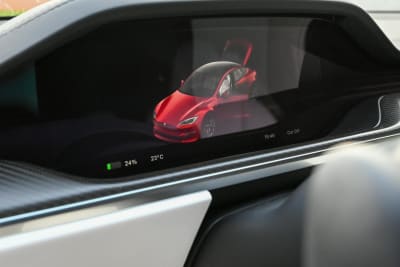
The anticipation surrounding Tesla's advanced driver-assistance systems, particularly its "Full Self-Driving (Supervised)" software, has met a formidable wall of European skepticism. What many expected to be a relatively smooth path to widespread adoption across the continent has instead devolved into a complex regulatory battle, revealing deep-seated concerns among key EU bodies about the technology's true capabilities and safety profile. The Dutch road transport agency, RDW, initially granted approval for Tesla's FSD (Supervised) in April, a decision that seemed to signal a green light for broader European acceptance. However, this move has since triggered a cascade of scrutiny from a crucial EU committee tasked with harmonizing vehicle safety standards. The committee's upcoming hearing, scheduled for Tuesday, is pivotal, representing a critical juncture where the initial Dutch approval could be challenged or significantly qualified, potentially setting a precedent for the entire European Union. This moment matters now because the global automotive industry is at a precipice, heavily invested in the promise of autonomous driving. If Tesla, a frontrunner in this domain, faces significant regulatory hurdles in one of the world's largest markets, it sends a chilling message to competitors and investors alike. It underscores the immense gap between the marketing of advanced driver-assistance features and the stringent, evidence-based requirements for public road deployment, especially in regions with established, rigorous safety frameworks. The implications are far-reaching, affecting not only Tesla and its shareholders but also consumers eager for the convenience and perceived safety benefits of automated driving. Thousands of Tesla owners in Europe, who have purchased or subscribed to FSD (Supervised), may find their technology's operational scope suddenly curtailed or subject to stricter oversight. Furthermore, the broader automotive ecosystem, including suppliers and technology partners, will be watching closely, as regulatory clarity, or the lack thereof, directly impacts future product development and investment strategies. Public reaction on social media platforms has been predictably polarized. Proponents of Tesla's technology often highlight individual positive experiences and view the regulatory challenges as an impediment to innovation, accusing regulators of being overly cautious or protectionist. Conversely, critics and safety advocates point to documented incidents and the inherent limitations of current systems, arguing that "FSD (Supervised)" is a misnomer that overstates the vehicle's autonomy and could lull drivers into a false sense of security. The debate often devolves into arguments about the definition of "full self-driving" and the ethical responsibilities of manufacturers. Historically, this situation draws parallels to earlier technological revolutions where the promise outpaced regulatory understanding. Think of the early days of aviation, where pioneering flights were met with both awe and a profound lack of safety standards, leading to numerous accidents before robust regulations were established. Similarly, the internet's explosive growth initially outran governmental capacity to address issues like privacy and misinformation, a struggle that continues today. The current debate over FSD (Supervised) echoes these historical moments, illustrating humanity's recurring challenge in adapting societal rules to groundbreaking, yet potentially disruptive, innovations. Specific figures underscore the stakes. Reports suggest that Tesla has already received approval from the RDW, a Dutch authority. However, the RDW's subsequent request for broader EU-level validation through the EU's technical committee, specifically the Working Group on Vehicle Safety, is where the real test lies. This committee's recommendations carry significant weight in shaping the European Commission's final decisions on type-approval for vehicles and their components across all member states. The complexity of navigating this multi-layered approval process, involving national agencies and supranational bodies, highlights the intricate nature of harmonizing regulations in a single market. What happens next is crucial. The upcoming committee hearing will be a defining moment, potentially leading to demands for more extensive data, rigorous testing protocols, or even a rejection of the current approval status. Observers will be looking for signs of whether European regulators will forge a unique path, demanding higher safety thresholds than other regions, or if they will eventually align with approaches taken elsewhere. The outcome will shape the future of automated driving technology not only in Europe but potentially influence global regulatory trends, forcing a clearer distinction between driver assistance and true autonomy. This regulatory friction could force Tesla and other automakers to recalibrate their approach to marketing and development, emphasizing the 'supervised' nature of their systems and investing more heavily in the real-world validation required by cautious European authorities. The company's confident prediction of approval in "a lot of other countries" now faces its sternest test, and the results of this European deliberation will be closely watched by the entire automotive world, setting a benchmark for how emerging autonomous technologies are integrated into society.
In Brief
European regulators are raising serious questions about Tesla's "Full Self-Driving (Supervised)" technology, challenging initial approvals and sparking a critical safety debate that could impact the future of autonomous vehicles across the continent.Advertisement



Comments
No comments yet. Be the first to comment!