
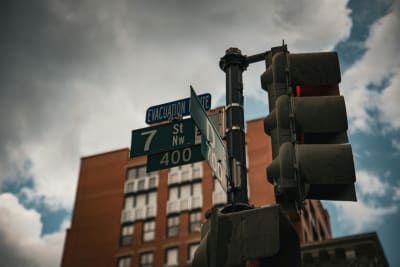
"We've seen an uptick in incidents, particularly in high-traffic entertainment zones, and it's not just a local issue; it's a national concern," stated Dr. Evelyn Reed, a criminologist specializing in urban safety and public events. Her observation underscores the anxieties now surrounding Fort Worth's bustling West 7th Street corridor, especially as the city gears up to host a significant portion of the 2026 FIFA World Cup festivities. A recent early morning shooting, which left one man injured, has amplified calls for enhanced public safety measures, casting a shadow over the city's ambitious plans to welcome hundreds of thousands of international visitors. The incident, occurring just after 2 a.m. on a recent Monday near the intersection of Bledsoe Street and Currie Street, involved an altercation that escalated to gunfire. While authorities quickly apprehended 28-year-old Matthew Smith, charging him with aggravated assault and unlawful firearm possession, the violence shattered the perceived tranquility of the popular district. This shooting is more than just a statistic; it's a stark reminder that even areas synonymous with nightlife and community gathering can become sites of unpredictable danger. The rapid response and arrest, a testament to the Fort Worth Police Department's efforts, do little to erase the fundamental question: can the city guarantee the safety of its residents and a global audience? This incident matters now because the clock is ticking relentlessly towards 2026. Fort Worth is slated to be a key hub for the World Cup, with plans including major watch parties in Sundance Square Plaza, featuring food trucks, DJs, and family entertainment. The city envisions itself as a welcoming gateway for soccer fans worldwide. However, the perception of safety is paramount for any major international event. A single high-profile incident, or a series of smaller ones, can deter tourists, damage reputation, and create an atmosphere of unease. The West 7th Street shooting serves as a critical stress test for the city's security infrastructure and its ability to manage large crowds and potential public order issues. The direct impact falls on the patrons and businesses of the West 7th Street area, a vibrant district drawing young professionals, tourists, and locals alike. For bar owners and restaurateurs, safety is not just a matter of public service; it's essential for their livelihood. Increased crime can lead to reduced foot traffic, higher insurance costs, and a tarnished brand. Residents, too, feel the ripple effects, with heightened concerns about personal safety in their own neighborhoods and public spaces. The incident also puts a spotlight on the broader issue of gun violence in entertainment districts across the country, a phenomenon that has seen a concerning rise in recent years. In response to these mounting concerns, the Fort Worth Police Department is proactively establishing a dedicated 'FIFA Team.' This specialized unit will integrate into the department's regular policing efforts, focusing on ensuring security throughout the World Cup period. Their mandate includes not only visible patrols but also intelligence gathering and coordinated response strategies for large-scale events. Beyond law enforcement, city officials are exploring a multi-faceted approach that could involve enhanced lighting, increased private security presence in key areas, and community outreach programs aimed at de-escalating potential conflicts before they turn violent. The emphasis is on a visible, coordinated, and proactive strategy. Social media platforms have predictably lit up in the wake of the shooting, with residents expressing a mix of fear, anger, and calls for more decisive action. Hashtags related to West 7th Street safety and the upcoming World Cup security have trended locally. Online discussions often highlight anecdotal evidence of perceived increases in crime and unruly behavior in entertainment zones, fueling broader anxieties. This digital discourse, while sometimes prone to exaggeration, reflects a genuine public desire for reassurance and a tangible commitment to safety from city leaders. It also pressures officials to communicate transparently about their security plans and their effectiveness. This situation in Fort Worth is not an isolated event but mirrors a larger national trend. Cities across the United States are grappling with increased public safety challenges in urban centers and entertainment districts, often exacerbated by post-pandemic social shifts and rising rates of certain crimes. The upcoming World Cup, with its global spotlight, magnifies these existing vulnerabilities. The pressure to present a secure environment for such a prestigious international event forces a confrontation with these domestic issues, demanding innovative and comprehensive solutions that extend beyond the immediate scope of the tournament itself. The city's experience will likely serve as a case study for other host cities. Looking ahead, the key will be sustained vigilance and adaptation. The effectiveness of the 'FIFA Team' and other security enhancements will be under intense scrutiny. Will the initial surge in security measures be maintained beyond the World Cup? How will Fort Worth integrate lessons learned from this event into its long-term urban safety strategy? The city's success in managing the World Cup will hinge not just on its ability to host a spectacular event, but on its capacity to ensure that all attendees, from international dignitaries to local families, feel genuinely safe and welcome in its public spaces. The coming months will reveal whether the current measures are sufficient to meet the profound challenges ahead.
In Brief
A recent shooting in Fort Worth's popular West 7th Street entertainment district has intensified scrutiny on the city's security preparations ahead of the 2026 FIFA World Cup. Officials are establishing a dedicated 'FIFA Team' to bolster public safety.Advertisement

Comments
No comments yet. Be the first to comment!