
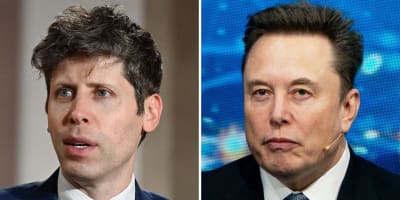
Can the original mission of a groundbreaking technology company survive the gravitational pull of immense wealth and power? This is the central question at the heart of the high-stakes legal battle currently dominating headlines, pitting two of the tech world's most polarizing figures against each other in a San Francisco courtroom. The trial, now entering its second week, is more than just a dispute over corporate control; it's a referendum on the very ethos that birthed artificial intelligence, raising profound questions about the future of a technology poised to reshape humanity. The atmosphere outside the courthouse has been electric, mirroring the immense public fascination with the proceedings. On any given morning, the line to secure a seat inside the courtroom snakes through the courtyard well before the 8:30 AM sharp start time. It's a diverse crowd: venture capitalists, AI researchers, and even founders of non-profit organizations, all eager to witness firsthand the clash between titans. Inside the overflow room, a different kind of community forms – a shared experience of long hours and dense testimony, where strangers bond over dry legal arguments and the occasional shared snack, united by a collective thirst for understanding this pivotal moment. Judge Yvonne Gonzalez Rogers has proven to be a formidable arbiter, meticulously adhering to a schedule that begins precisely on time and concludes before her firm 2 PM cut-off. This discipline provides a stark contrast to the often chaotic narratives surrounding the tech industry. The judge's adherence to procedure underscores the gravity of the proceedings, ensuring that the complex legal arguments are given the space and time they require, free from the usual digital distractions. One of the most striking developments from the trial's initial days was the unexpected in-person presence of both key figures. Given the significant security concerns surrounding individuals of their stature, there was considerable speculation about whether Sam Altman and Elon Musk would even appear. However, Altman made a surprise entrance during jury selection, and Musk himself took the stand as the trial's inaugural witness. This deliberate choice by both billionaires signals their profound investment in the outcome, a clear desire to directly influence the jury and, by extension, public perception. The jury's own perceptions are a critical undercurrent. Reports from within the courtroom suggest that some jurors have openly expressed negative views regarding both Musk and the rapid advancements in AI. This pre-existing skepticism adds another layer of complexity to the legal arguments, as the plaintiffs and defendants must not only convince the court of their case but also navigate the jury's potentially preconceived notions about the technology and the personalities involved. Central to the unfolding narrative is the testimony of Greg Brockman, a pivotal co-founder of OpenAI. Expected to spend several hours on the stand, Brockman's account is considered crucial. He was present during many of the foundational moments and key decisions that led to the current legal entanglement. His perspective is anticipated to shed light on the internal dynamics and the alleged betrayals that form the crux of the lawsuit, offering direct insights into the early days and the evolving vision for OpenAI. This legal showdown is far more than a personal vendetta; it represents a critical juncture for the future of artificial intelligence development. The core of the dispute centers on whether OpenAI, initially founded with a mission to ensure AI benefits all of humanity, has strayed too far from its altruistic roots in pursuit of commercial dominance and a singular, powerful entity. The outcome could set precedents for corporate governance in the AI sector, influencing how similar foundational technology companies are structured and regulated. The social media sphere is, predictably, abuzz. Hashtags related to the trial trend daily, with armchair legal analysts and AI enthusiasts dissecting every reported detail. Public opinion is sharply divided, often along existing lines of support or criticism for Musk and Altman. This digital discourse, while often lacking in legal nuance, amplifies the stakes and puts immense pressure on both sides to control the narrative, highlighting the potent influence of public perception in high-profile legal and technological battles. Looking ahead, the trial is expected to delve deeper into the financial dealings and strategic decisions that have shaped OpenAI's trajectory. The specifics of the original charter and the alleged breaches will be rigorously examined. Observers will be watching closely for how the complex technical and philosophical arguments translate into digestible legal evidence for the jury, and whether the foundational principles of AI's development can be effectively defended in a secular courtroom. What will emerge from this legal crucible is uncertain, but the reverberations will undoubtedly shape the future of artificial intelligence. The public must remain vigilant, following the proceedings not just as a spectacle, but as a critical examination of the forces guiding a technology that will profoundly influence the human experience. The court's decision, whatever it may be, will offer a glimpse into the path forward for AI – whether it leads toward democratized progress or concentrated power.
In Brief
A dramatic courtroom battle is underway as tech titans Elon Musk and Sam Altman clash over the soul of OpenAI. This trial could set precedents for the future of artificial intelligence development and corporate governance.Advertisement




Comments
No comments yet. Be the first to comment!