

The Numbers
- Studies indicate that biochar applied at depths exceeding 15 centimeters can retain up to 80% of its carbon content for over a century, significantly outperforming surface applications.
- Incorporating biochar into agricultural soils at recommended rates can increase soil organic carbon by an average of 15-30%, depending on soil type, climate, and biochar properties.
- The global potential for biochar to sequester atmospheric carbon dioxide is estimated to be between 1.5 to 3.5 gigatons per year, offering a substantial tool for climate change mitigation.
- Research shows that biochar can improve soil water holding capacity by up to 20%, reducing irrigation needs and enhancing crop resilience in drought-prone regions.
- The economic viability of biochar production is improving, with costs potentially decreasing to under $200 per ton, making it an increasingly attractive option for carbon farming initiatives.
- Farmers implementing biochar practices have reported yield increases ranging from 5% to 25% for various crops, alongside improvements in soil structure and nutrient availability.
Context Check
The efficacy of biochar as a climate change mitigation tool hinges on its ability to durably store carbon within soils. While biochar is inherently stable, its persistence and effectiveness are not uniform across all application scenarios. Early research often focused on surface application or shallow incorporation, leading to an incomplete understanding of its long-term sequestration potential. This new wave of studies underscores that the physical location of biochar within the soil profile is a critical, often overlooked, variable. Deeper placement protects biochar from microbial decomposition and physical erosion, thereby extending its carbon residence time and maximizing its climate benefit. This nuanced understanding is vital for developing effective biochar-based carbon sequestration strategies.
Understanding the depth factor is crucial for scaling biochar applications beyond experimental settings. If optimal carbon storage is achieved through deeper incorporation, current agricultural practices and machinery may need adaptation. The benefits of biochar extend beyond carbon sequestration, including improvements in soil fertility, water retention, and microbial activity. However, these co-benefits may also be influenced by application depth. For instance, enhanced water retention might be more pronounced when biochar is placed in root zones or layers that significantly impact water movement. Therefore, optimizing depth is not just about carbon but also about maximizing the holistic benefits for soil health and agricultural productivity, ensuring a more comprehensive approach to land management.
The scientific community is increasingly recognizing the complexity of biochar-soil interactions. While the fundamental stability of biochar is well-established, the environmental conditions dictating its long-term fate are multifaceted. Factors such as soil moisture, temperature, pH, microbial community composition, and the physical matrix of the soil all play a role. The emphasis on application depth suggests a need for more targeted research that considers these interacting variables. Without this detailed understanding, efforts to quantify biochar's climate impact and to develop reliable carbon credit mechanisms could be undermined by inconsistencies in application methods and variable sequestration outcomes across different environments.
Background
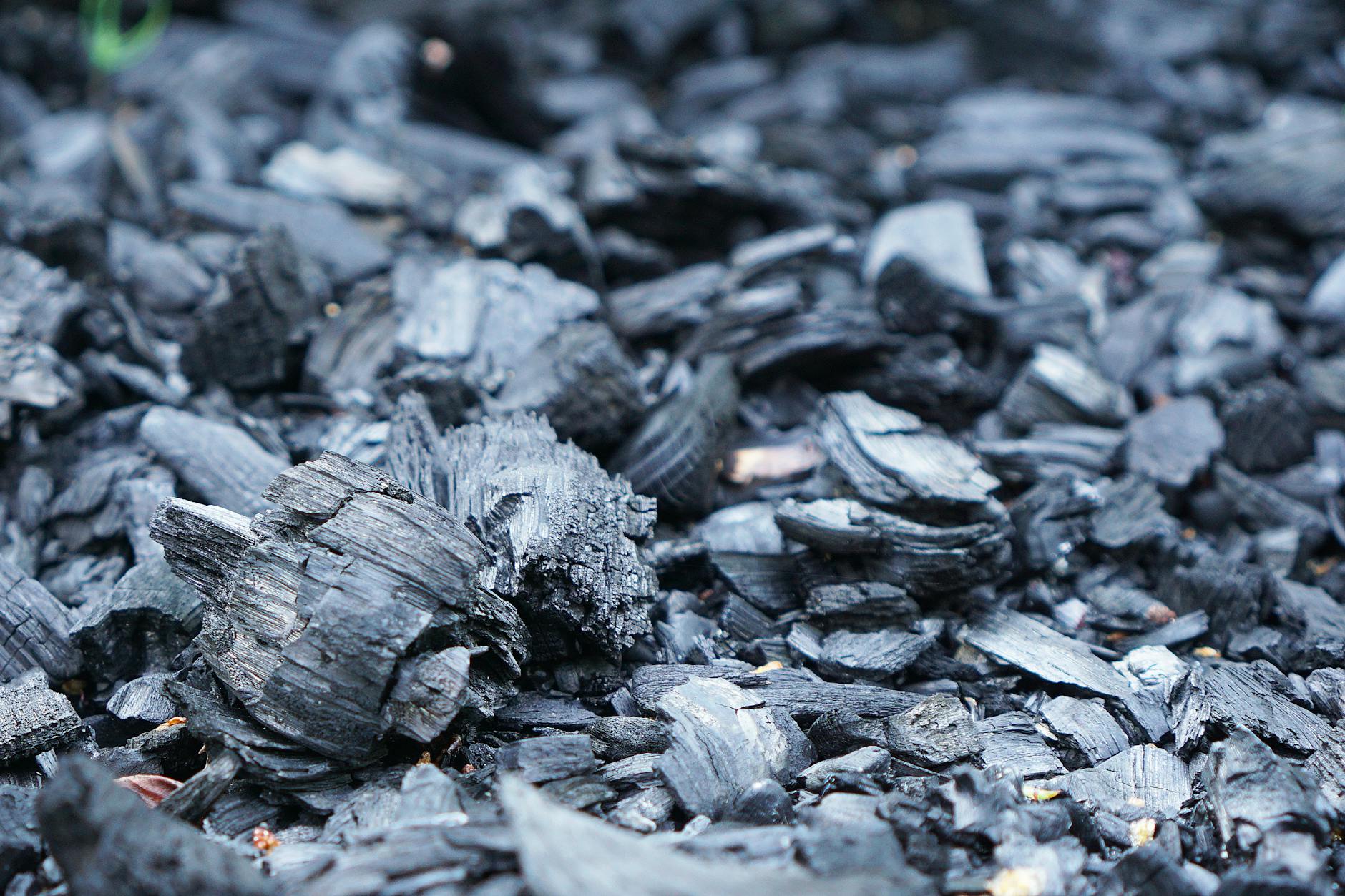
Biochar, a charcoal-like substance produced from the pyrolysis of organic materials such as wood, crop residues, and manure, has garnered significant attention as a potential tool for climate change mitigation and soil improvement. Its production process involves heating biomass in an oxygen-limited environment, which converts much of the carbon into a highly stable, recalcitrant form. This stability is key to its long-term carbon sequestration potential, as it resists decomposition far longer than the original organic matter. Historically, charcoal has been used for millennia, but its modern application as biochar in agriculture and environmental management is a relatively recent development, driven by the urgent need for effective carbon removal strategies.
The concept of biochar gained substantial momentum in the early 2000s, spurred by research into the 'terra preta' soils of the Amazon basin. These exceptionally fertile soils, created by indigenous populations centuries ago, contain high levels of charcoal, which contributes to their enduring productivity and carbon content. This discovery highlighted the potential for intentionally adding charcoal to soils to enhance fertility and sequester carbon. Since then, a vast body of research has explored the diverse impacts of biochar on soil properties, plant growth, and environmental remediation, leading to its consideration as a viable climate solution.
While the benefits of biochar for soil health, such as improved water retention, nutrient availability, and microbial habitat, are widely acknowledged, its role in carbon sequestration has been a primary focus for climate policy and carbon markets. The challenge lies in ensuring that the carbon added to the soil remains sequestered for extended periods. Early studies often focused on the inherent stability of biochar itself, but more recent investigations are examining how soil conditions and application methods influence its persistence. The realization that application depth is a significant factor adds another layer of complexity to optimizing biochar's climate benefits, moving beyond simple application rates.
Winners and Losers
The primary beneficiaries of optimized biochar application, particularly at greater depths, are the global climate and agricultural systems. By enhancing long-term carbon sequestration, biochar directly contributes to mitigating atmospheric greenhouse gas concentrations, aiding global efforts to combat climate change. Farmers who adopt deeper biochar incorporation practices stand to gain from potentially greater and more durable soil carbon improvements, leading to enhanced soil health, increased water retention, and possibly higher crop yields over time. This can translate into improved farm resilience, reduced input costs, and access to carbon credit markets, creating a more sustainable and profitable agricultural future.
Conversely, a lack of understanding or implementation of optimal application depths could lead to suboptimal outcomes, effectively making the climate and proponents of effective carbon sequestration 'losers.' If biochar is primarily applied to the surface, a significant portion of its carbon may be lost to the atmosphere through decomposition or erosion over shorter timescales, diminishing its climate mitigation impact. This could also lead to a misallocation of resources if investments are made in biochar production and application without achieving the desired long-term carbon storage. Furthermore, agricultural advisors and policymakers might be misled by incomplete data, promoting practices that are less effective than they could be.
The equipment and machinery sector could also see shifts. While standard agricultural equipment can often handle surface or shallow biochar application, deeper incorporation might necessitate specialized machinery or modifications, creating opportunities for innovation and new market entrants. Conversely, companies or projects relying solely on surface application for carbon credits might face scrutiny if deeper methods prove significantly more effective for long-term sequestration, potentially impacting their financial models and the perceived value of their carbon offsets. Ensuring equitable access to knowledge and technology for deeper application will be crucial to avoid creating disparities.
Analyst Perspectives
From a climate policy perspective, the depth factor is a game-changer for biochar's role in carbon markets. 'The ability to verifiably sequester carbon for centuries is paramount for carbon credit integrity,' notes Dr. Anya Sharma, a climate finance analyst. 'If deeper application demonstrably increases sequestration longevity, then methodologies for carbon accounting and verification must evolve to incentivize and reward this practice. This could significantly boost the credibility and market value of biochar-based carbon removal projects, provided robust monitoring, reporting, and verification (MRV) systems are in place to confirm application depth and subsequent carbon stability.'
Soil scientists emphasize the ecological implications. 'We've long known that soil horizons have distinct microbial communities and chemical environments,' explains Professor Jian Li, a leading soil ecologist. 'Placing biochar deeper means it interacts with different microbial populations and potentially more stable moisture regimes. This could alter its decomposition rate and its impact on nutrient cycling. It's not just about locking away carbon; it's about how biochar integrates into the complex soil ecosystem. Understanding these deeper interactions is crucial for predicting long-term soil health benefits and avoiding unintended consequences.'
Agricultural economists see potential for enhanced farm economics. 'The dual benefit of carbon sequestration and improved soil function is the holy grail for sustainable agriculture,' states Maria Gonzalez, an agricultural economist specializing in soil carbon. 'If deeper biochar application maximizes both, it becomes a far more compelling investment for farmers. However, the practicalities of implementation – machinery costs, labor, and integration with existing crop rotations – need careful consideration. Policy support, such as subsidies for equipment or enhanced carbon payments for verified deeper application, will be critical to drive widespread adoption and realize the full economic potential.'
Key Questions Explained
The Outlook
The growing body of evidence highlighting the critical role of application depth in maximizing biochar's carbon sequestration potential signals a significant shift in best practices. As research continues to refine optimal incorporation depths for various soil types and climates, we can expect a move towards more targeted biochar application strategies. This will likely involve the development of new or adapted agricultural machinery capable of efficiently placing biochar deeper within the soil profile, potentially unlocking greater climate mitigation benefits and enhancing soil health simultaneously.
For the burgeoning biochar industry and carbon markets, this understanding presents both opportunities and challenges. It necessitates updated methodologies for carbon accounting and verification that accurately reflect the long-term stability achieved through deeper application. Policymakers and regulatory bodies will need to consider these findings when designing incentives and carbon credit schemes. The ultimate outlook is one where biochar becomes an even more potent tool in the climate change fight, provided its application is optimized based on scientific insights like the importance of soil depth.
Ultimately, the future of biochar as a climate solution depends on translating scientific understanding into practical, scalable applications. The emphasis on depth suggests that future research and development should focus not only on biochar production and properties but also on the agronomic and engineering aspects of its incorporation into agricultural systems. By embracing these deeper insights, biochar can fulfill its promise as a sustainable and effective strategy for carbon removal and soil regeneration, contributing significantly to a more resilient and climate-friendly future.


















Comments
No comments yet. Be the first to comment!