
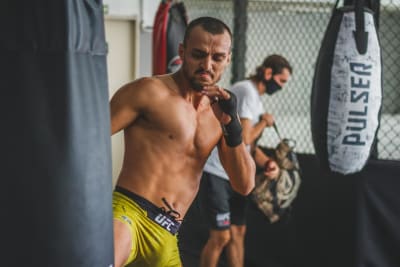
"This isn't just about acquiring assets; it's about strategic diversification into established, high-value entertainment properties," observes Dr. Evelyn Reed, a sports business analyst at the Global Sports Institute. "For executives who have successfully built and monetized a niche combat sports league, the allure of a legacy professional football franchise is understandable, especially when financial barriers to entry are being strategically lowered." The recent move by Ari Emanuel and Mark Shapiro, key figures within TKO Group Holdings—the parent entity of the Ultimate Fighting Championship—to acquire minority stakes in the Las Vegas Raiders signals a significant expansion beyond their established combat sports domain. This investment, reportedly amounting to 1.4% for Emanuel and 0.6% for Shapiro, places them directly into the coveted ownership circle of the National Football League, a league with a storied history and immense cultural footprint. The timing of these personal investments, while separate from their TKO roles, aligns with broader trends in professional sports ownership, suggesting a calculated approach to wealth preservation and growth. This expansion into the NFL is not an isolated event but rather a continuation of a deliberate strategy to broaden TKO's influence across the sports and entertainment landscape. Following the successful establishment of Zuffa Boxing earlier this year, backed by significant capital from Saudi Arabia, the focus now shifts to American football's premier league. The Raiders, with a reported valuation nearing $9.9 billion, represent a substantial opportunity, making Emanuel's acquired stake worth approximately $138.6 million and Shapiro's around $59.4 million. These figures underscore the sheer scale of capital involved, even in minority ownership. Crucially, the narrative extends beyond just Emanuel and Shapiro. Egon Durban, CEO of Silver Lake and a major shareholder in Endeavor (which itself holds a majority stake in TKO), is significantly increasing his own investment in the Raiders, reaching a substantial 22% ownership. Durban's existing relationship with the Raiders and his pivotal role within Endeavor's ownership structure of TKO create a complex web of interconnected interests. This multi-layered investment highlights a coordinated effort among influential business figures who see substantial value in the NFL's robust ecosystem. What often gets overlooked in these high-profile transactions is the subtle shift in NFL's ownership policies. For years, private equity firms and sophisticated investors were largely on the periphery. However, as noted by Joe Pompliano, founder of the 'Huddle Up' newsletter, in early 2024, NFL teams began opening their doors to such entities. This policy evolution, coupled with the personal relationships key TKO executives already had with the Raiders franchise, particularly Mark Davis who retains controlling ownership with a 36% stake, likely facilitated these deals. The NFL's embrace of these new ownership models reflects its ongoing need for capital and its adaptation to a changing investment landscape. The public reaction, particularly within the passionate fan bases of both the UFC and the Raiders, has been a mixture of intrigue and apprehension. Social media platforms buzzed with discussions about how this new ownership layer might influence team decisions, player management, or even the league's overall direction. While the minority stakes preclude direct day-to-day control, the sheer financial and strategic power of individuals like Emanuel and Durban inevitably raises questions about their long-term impact and the potential for conflicts of interest, even if these are personal investments. Beyond the financial implications and strategic diversification, this move also speaks volumes about the evolving definition of sports empires. The traditional model of owning a single team or league is giving way to a more integrated approach. TKO, through its executives and associated entities, is building a portfolio that spans different sports, different continents, and different monetization strategies, from pay-per-view events to hospitality services. The Raiders' partnership with TKO's On Location program as the official hospitality provider exemplifies this synergy, creating cross-promotional opportunities and revenue streams. Looking ahead, the key areas to monitor will be how these new ownership dynamics interact with the existing structure of the Raiders and the NFL at large. Will Durban's increased stake grant him more influence over strategic decisions? How will the NFL's ownership committee oversee these evolving relationships? Furthermore, the success of this venture could pave the way for further diversification by TKO and its executives into other major sports leagues, potentially reshaping the landscape of sports ownership as we know it.
In Brief
Key figures behind the UFC are expanding their sports empire into the NFL, acquiring significant stakes in the Las Vegas Raiders. This move signifies a strategic diversification beyond combat sports.Advertisement



Comments
No comments yet. Be the first to comment!