
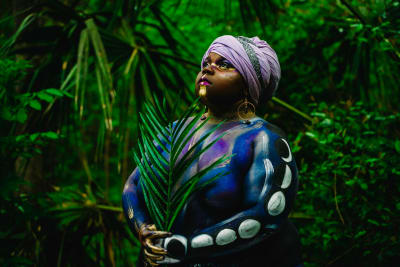
It’s a rare sight to see the titans of sport trading their cleats and rackets for couture, but this year’s Met Gala saw a significant influx of athletic royalty gracing the hallowed halls of the Metropolitan Museum of Art. The 2026 iteration, themed “Costume Art” with a “Fashion is Art” dress code, provided a dazzling canvas for athletes to demonstrate that their understanding of form, discipline, and strategic execution extends far beyond the athletic arena. From WNBA MVP A’ja Wilson’s architectural gown to tennis legend Venus Williams’ commanding presence as co-chair, the event underscored a growing trend of athletes transcending their professional identities to become influential figures in the broader cultural landscape. The Met Gala, often dubbed the “Super Bowl of Fashion,” is notoriously exclusive, with attendance typically reserved for the crème de la crème of the fashion, entertainment, and arts worlds. However, this year’s guest list notably included a robust contingent of athletes from diverse disciplines. Beyond Wilson and Williams, the red carpet saw Olympic gymnast Alysa Liu, NFL quarterback Joe Burrow, NBA icon Dwyane Wade, and snowboarding phenom Eileen Gu, among others. This strategic inclusion signals a deliberate effort by the gala organizers to broaden its definition of cultural impact, recognizing that athletic achievement and the dedication it requires are, in their own right, forms of high art and performance. Venus Williams, a trailblazer on and off the tennis court, served as a co-chair for the event, a testament to her evolving role as a cultural ambassador. Her involvement alongside global superstars like Beyoncé and Nicole Kidman elevated the presence of athletes from a mere curiosity to a central, celebrated aspect of the evening. This elevated status allows athletes to leverage the immense visibility of the Met Gala to promote their personal brands and, more importantly, to champion causes and initiatives they are passionate about, turning a fashion spotlight into a platform for substantive dialogue. The theme, “Costume Art,” allowed for a wide spectrum of interpretations, and athletes certainly leaned into the artistic mandate. Many chose ensembles that subtly or overtly referenced their athletic careers, blending the worlds of sport and fashion in unexpected ways. This wasn't just about wearing a designer dress; it was about embodying a concept, a narrative. The sheer artistry and craftsmanship involved in both athletic performance and haute couture share a surprising number of parallels, demanding precision, dedication, and a vision that transcends the ordinary. This year's gala highlighted how these seemingly disparate fields are, in fact, deeply interconnected. Looking at the historical context, the presence of athletes at such high-profile cultural events is not entirely new, but the scale and deliberate integration seen this year are unprecedented. Decades ago, athletes might have been rare guests, often seen as outsiders. Now, figures like Serena and Venus Williams have paved the way, demonstrating that athletic success can be a springboard for broader influence. The 2026 Met Gala feels like a culmination of this shift, where sports icons are not just attendees but integral participants shaping the cultural conversation, mirroring how early 20th-century artists and intellectuals engaged with burgeoning mass media. The social media reaction was, as expected, swift and voluminous. Hashtags related to the athletes’ appearances trended globally within minutes. While many praised the athletes for their bold fashion choices and their ability to command the red carpet, some online discussions also touched upon the perceived disconnect between athletic pursuits and high fashion. However, the overwhelming sentiment gravitated towards appreciation for the athletes’ versatility and their willingness to step outside their comfort zones, showcasing a different facet of their personality and public image. The digital buzz amplified the event’s reach, bringing a new audience into the orbit of both fashion and sports. Behind the dazzling exteriors, the data suggests a strategic move by the Met Gala and the fashion industry. Athletes represent a massive, engaged global audience. Their participation taps into a demographic that might not traditionally follow fashion closely, but is deeply invested in their athletic heroes. This cross-pollination benefits everyone: designers gain exposure to new markets, athletes enhance their brand value beyond their sport, and the Met Gala reinforces its status as a nexus of contemporary culture, attracting a wider range of influential personalities. The event’s curated guest list, a meticulous process, clearly aimed to maximize this cultural synergy. The journey from the roar of the stadium to the flash of the paparazzi at the Met Gala is a narrative of evolving celebrity and cultural relevance. These athletes are not just performing on the field; they are curating their public personas with the same strategic precision they apply to their careers. The “Costume Art” theme provided a perfect backdrop for this evolution, allowing them to be both artists and muses. The success of their appearances suggests a future where the lines between sports, art, and fashion continue to blur, with athletes playing an increasingly prominent role in defining our cultural zeitgeist. Moving forward, the challenge for these athletes will be to maintain this momentum and ensure their presence at events like the Met Gala translates into sustained cultural influence, rather than fleeting moments of spectacle. The coming year will reveal whether this high-profile attendance marks a permanent shift in how sports figures are integrated into the broader arts and culture scene, or if it was a singular, albeit spectacular, moment.
In Brief
Athletes are stepping out of their sports arenas and onto the world's most exclusive fashion runway, proving that discipline and artistry translate to the Met Gala red carpet.Advertisement


Comments
No comments yet. Be the first to comment!