
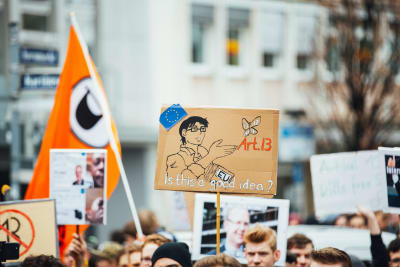
Can a global gathering dedicated to artistic expression truly remain insulated from the mounting pressures of international conflict and political instability? The 2024 Venice Biennale, an event long considered the zenith of the contemporary art world, finds itself grappling with this very question as a confluence of geopolitical tremors and internal disruptions threaten to overshadow its celebrated exhibitions. The unexpected passing of its chief curator, Adriano Pedrosa, just months before the opening, sent a shockwave through the planning committees, forcing a rapid reshuffling of responsibilities and injecting an air of somber uncertainty into the preparatory stages. This loss, deeply felt by those who knew his vision, added a layer of vulnerability to an event already navigating a complex global landscape. To understand the current predicament, one must look back at the Biennale's storied history. Established in 1895, it has consistently served as a barometer for cultural trends and a platform for emerging artists. Over its more than a century of existence, it has weathered world wars, economic depressions, and shifts in artistic paradigms. Yet, the current era presents a unique set of challenges. Unlike past global crises that might have been more distant, today's interconnectedness means that conflicts, from the ongoing war in Ukraine to tensions in the Middle East, resonate immediately and profoundly. The Biennale, with its international pavilions and global participation, is not a secluded island; it is a microcosm of the world stage, and the world stage is currently fraught with division. The implications of these external pressures are manifold. For instance, Russia's withdrawal from participating in the national pavilions, a significant decision reflecting the geopolitical climate, leaves a void in the exhibition landscape. This absence is not merely a logistical inconvenience; it represents a symbolic silencing, a disconnection from a global dialogue that the Biennale traditionally fosters. Beyond national representation, the flow of funding and the logistical feasibility of transporting artworks across borders have also become more precarious. Security concerns, once a background consideration, now demand heightened attention, adding to the already complex operational demands of staging such a monumental event. The social media sphere, a powerful amplifier of public sentiment, has been abuzz with discussions surrounding these challenges. While some observers lament the perceived politicization of art and express a desire for the Biennale to remain a sanctuary from worldly affairs, a significant portion of the online discourse highlights the inherent impossibility of such a separation. Artists and critics alike have pointed out that art, by its very nature, often engages with, reflects, and critiques the sociopolitical realities of its time. The Biennale, therefore, cannot logically divorce itself from the very world it seeks to represent and interpret, leading to a vibrant, albeit sometimes contentious, debate about the role of art in times of crisis. This year's theme, "Foreigners Everywhere," curated by Pedrosa before his passing and now brought to fruition by his team, takes on an almost prescient quality in light of these events. The phrase itself speaks to displacement, migration, and the experience of being an outsider – themes that resonate powerfully with the current global refugee crises and the pervasive sense of 'otherness' felt by many. While the curators have emphasized that the theme predates the immediate geopolitical crises, its relevance is undeniable, offering a framework through which to understand the anxieties and divisions that plague contemporary society. The selection of artists and artworks under this umbrella aims to foster empathy and challenge preconceived notions of belonging and identity. The ripple effect extends to the participating artists themselves. Many are forced to navigate delicate ethical and logistical quandaries. Do they engage directly with current conflicts in their work, risking accusations of propaganda or insensitivity? Or do they retreat into more abstract or universal themes, potentially appearing detached from pressing global issues? The pressure to strike a balance between artistic integrity and sociopolitical relevance is immense, and the Biennale provides a high-profile stage where these artistic decisions are scrutinized by a global audience. The conversations sparked by these works, amplified by media coverage and social platforms, contribute to a broader cultural reckoning. Looking ahead, the Venice Biennale stands at a critical juncture. Its ability to adapt and respond to these multifaceted challenges will define its relevance in the coming years. Will it emerge as a resilient platform for critical dialogue, demonstrating art's capacity to foster understanding even amidst discord? Or will the weight of external pressures prove too great, leading to a more subdued and less impactful iteration of this esteemed event? The choices made by organizers, curators, and artists in the coming months will undoubtedly shape its legacy. For the public, this situation offers a powerful reminder of art's inextricable link to society. It is an invitation to engage more deeply with the works presented, to consider the context from which they emerge, and to reflect on how artistic expression can serve as both a mirror and a catalyst for change. Readers can support artists whose work engages with difficult social and political themes by seeking out their exhibitions, sharing their work online, and engaging in thoughtful discussions. Moreover, understanding the challenges faced by institutions like the Biennale can inspire a greater appreciation for the complex ecosystem that supports global cultural exchange, encouraging advocacy for policies that protect artistic freedom and international collaboration.
In Brief
The Venice Biennale, a pinnacle of the art world, confronts unprecedented challenges from global conflicts and internal disruptions, forcing a reevaluation of art's role in a fractured world.Advertisement


Comments
No comments yet. Be the first to comment!