
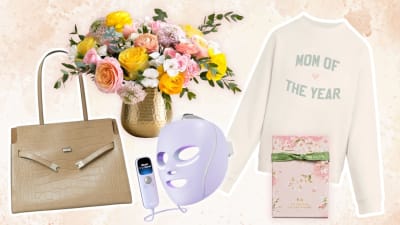
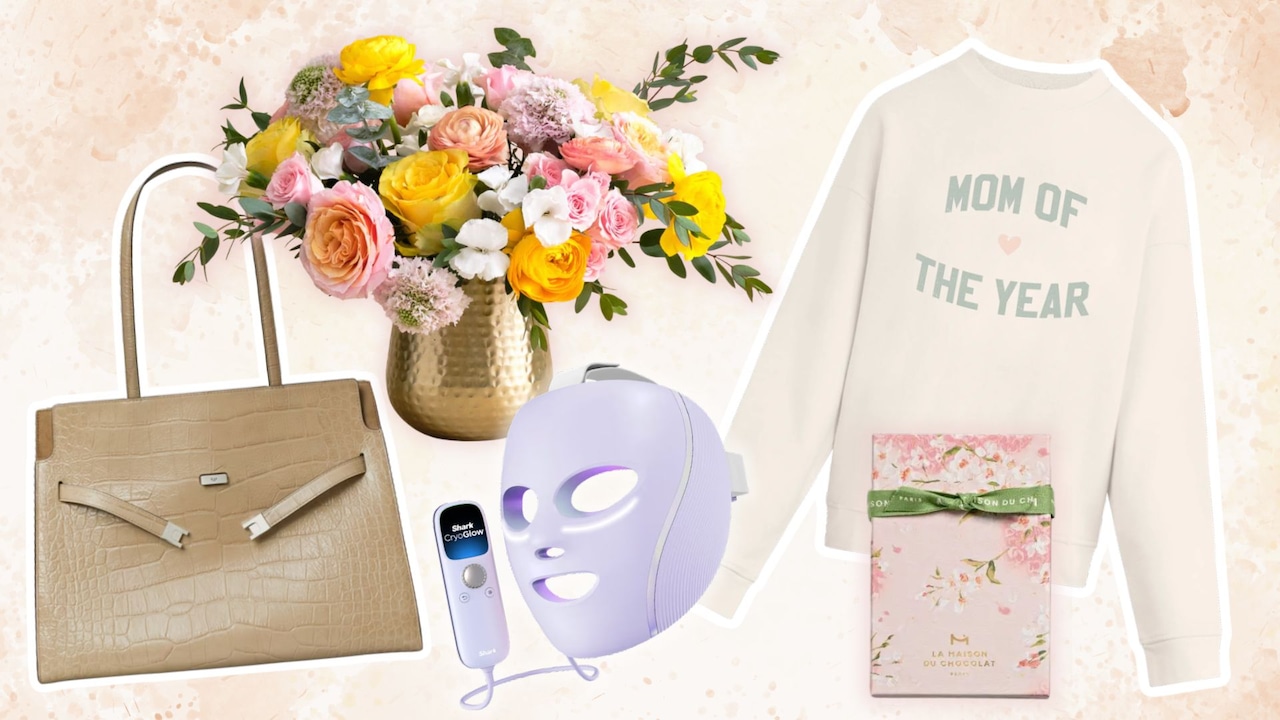
The notion that mothers universally desire practical gifts for special occasions is a persistent myth. While utility has its place, a closer examination of gifting trends and consumer psychology reveals a deeper yearning for indulgence and moments of personal luxury that many mothers, by nature of their roles, rarely afford themselves. This year's Mother's Day shopping landscape, dominated by high-end brands and aspirational products, underscores this point. Retailers and consumers alike are gravitating towards items that transcend mere functionality, focusing instead on experiences and objects that offer a tangible sense of appreciation and pampering. It's a shift from the 'useful to the sublime,' where the value lies not just in the object itself, but in the feeling it evokes – a recognition of the mother's needs beyond her domestic responsibilities. Delving into the specifics, the market for these elevated gifts is significant. Take, for instance, the SFERRA Giza 45 Percale Fitted Sheets, with prices starting at a substantial $689. These aren't just bed linens; they represent an investment in comfort and a tangible upgrade to a daily routine that can often feel relentless. Similarly, a brand like Tory Burch offers iconic pieces, such as the Lee Radziwill Embossed Tote, which retails for several hundred dollars. This type of accessory is often an 'investment piece' – something a mother might admire but hesitate to purchase for herself, deeming it too extravagant for everyday use. Consumer behavior data supports this trend. Online shopping platforms and luxury retailers report a noticeable uptick in purchases of non-essential, high-value items around Mother's Day. This suggests that gift-givers are increasingly recognizing the desire for personal indulgence among mothers. Instead of focusing solely on gifts that serve a household purpose, the emphasis is shifting towards items that acknowledge the individual woman, her tastes, and her need for self-care and personal enjoyment. This phenomenon is not isolated; it mirrors a broader societal trend of valuing personal well-being and self-expression. The underlying psychology is fascinating. For many mothers, daily life is a carefully orchestrated balance of responsibilities, often prioritizing the needs of family members above their own. The act of receiving a luxurious, perhaps impractical, gift serves as a powerful counterpoint to this constant state of giving. It’s a signal that their personal desires and comforts are seen and valued. Brands like Shark, with products like the CryoGlow LED Mask ($480 when bundled with other items), tap into this by offering sophisticated self-care tools that promise a spa-like experience at home, turning a routine into a ritual. This trend is also amplified by social media and the aspirational culture it fosters. Images of beautiful homes, curated wardrobes, and indulgent self-care routines are ubiquitous, subtly influencing expectations. Gift-givers, exposed to these ideals, are more inclined to seek out products that align with this aesthetic and promise a similar level of quality and desirability. This creates a market where products are not just functional but are also status symbols or markers of personal achievement and well-deserved pampering. Retailers themselves play a role in shaping these perceptions. Marketing campaigns often highlight the 'splurge-worthy' nature of these items, framing them as the perfect way to express deep appreciation. For example, Brightland’s Artist Series Set, a luxury olive oil collection, positions itself as a gourmet indulgence, transforming a kitchen staple into a gift of culinary artistry. Such curated gift sets, often retailing around $160, exemplify the blend of everyday use with elevated experience that resonates with gift-givers. Looking ahead, the demand for these elevated, emotionally resonant gifts is likely to persist. As societal conversations around work-life balance and self-care continue to grow, the impetus for gifting items that actively promote personal well-being and luxury will only strengthen. Consumers will continue to seek out products that not only demonstrate affection but also provide a tangible escape from the mundane and a moment of individual pleasure, reinforcing the idea that mothers deserve and will actively embrace these non-practical indulgences.
In Brief
This Mother's Day, the gifting trend leans away from pure practicality towards luxurious indulgences. Discover the psychology behind why mothers truly desire these elevated, self-care-focused gifts.Advertisement




Comments
No comments yet. Be the first to comment!