
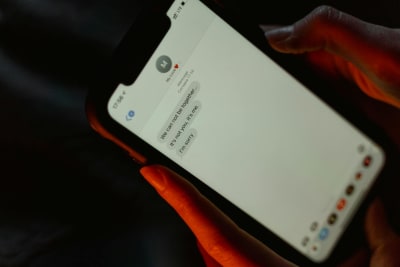
The roar of the crowd at the Rose Bowl, a sound etched into the memory of college football fans, nearly faded into a different kind of echo for UCLA. Imagine the shock: your beloved Bruins, synonymous with the historic "Granddaddy of Them All," preparing to pack up their cleats and trade that iconic setting for the sleek, modern confines of SoFi Stadium. This wasn't a distant possibility; late last August, as the Bruins kicked off their season against Utah, the wheels were turning so fast that a top UCLA finance official and a powerful executive from the Rams' ownership group were exchanging texts, solidifying plans for a move to Inglewood. The exchange, unearthed in recent court filings, paints a vivid picture of a deal on the brink, with the executive, Kevin Demoff, president of Kroenke Sports and Entertainment, texting UCLA's then-Vice Chancellor and CFO, Stephen Agostini, "good luck tonight, next year at SoFi!" Agostini himself was a central figure in orchestrating this potential seismic shift. His role in driving UCLA's exploration of SoFi Stadium was significant, making his subsequent termination in February all the more notable. School officials cited alleged misstatements about campus debt as the reason for his dismissal, a move that occurred just weeks before UCLA publicly recommitted to remaining at the Rose Bowl through the 2026 season. This sudden reversal, following Agostini's departure, has fueled speculation about internal pressures and strategic recalculations within the university's athletic department. The text message between Demoff and Agostini, now part of the public record, surfaced as part of the Rose Bowl Operating Co. and the City of Pasadena's legal response to a motion filed by UCLA. Attorneys for the Rose Bowl are pushing back against what they describe as "unnecessary stalling" tactics by UCLA, seeking reimbursement for their legal fees. The court battle, which began in October when the Rose Bowl sued UCLA over its potential departure, has been marked by procedural maneuvers, each side attempting to gain leverage in a dispute over a historic partnership. What was the allure of SoFi Stadium that made UCLA consider such a drastic change? The financial incentives alone were substantial. Court documents suggest the proposed deal with SoFi offered UCLA significantly more favorable lease terms than its current arrangement at the Rose Bowl. This included the potential to capture revenue from luxury suites and stadium sponsorships – income streams currently largely bypassed by the university. Furthermore, a mixed-use real estate development project associated with the stadium offered another avenue for significant financial gains. Beyond the balance sheet, the practical considerations were also compelling. The Rose Bowl, located 26 miles from UCLA's Westwood campus, represents a significant commute for players and fans alike. SoFi Stadium, by contrast, offers a far more modern facility and, crucially, is much closer to the university. This proximity, coupled with state-of-the-art amenities, presented a tempting upgrade for a program seeking to enhance its gameday experience and potentially boost its competitive profile. Under the current agreement, which extends through the 2043 season, UCLA's revenue from the Rose Bowl is limited to a fraction of parking, concessions, and merchandise sales, with no share in suite revenue or sponsorship deals. This lopsided arrangement has undoubtedly been a driving factor behind the university's pursuit of alternatives. The economics of college athletics are constantly evolving, and universities are under immense pressure to maximize revenue streams to fund scholarships, facilities, and coaching staff. While UCLA ultimately decided to stay put for the immediate future, the intensity of the negotiations and the near-completion of the SoFi deal underscore the precariousness of long-standing traditions in the face of modern athletic business realities. The Rose Bowl, a venue steeped in history and tradition, now faces the challenge of adapting to keep its marquee tenants. The legal battle, though ostensibly about contract disputes, touches on deeper questions about loyalty, progress, and the economic pressures shaping collegiate sports. Representatives from both UCLA and the Rose Bowl have reportedly engaged in discussions aimed at finding a resolution that could end the protracted legal fight. The outcome of these talks, and the upcoming court hearing, will not only determine the immediate future of UCLA's football home but also set a precedent for how historic venues and universities navigate the complex financial landscape of major sports. What remains to be seen is whether a compromise can be reached that satisfies both the financial needs of a modern athletic program and the deep-rooted legacy of a beloved landmark.
In Brief
New court documents reveal just how close UCLA came to abandoning the historic Rose Bowl for SoFi Stadium. Text messages between a UCLA executive and Rams ownership show the deal was on the verge of completion, highlighting the financial pressures and modern stadium allure that nearly ended a century-old tradition.Advertisement


Comments
No comments yet. Be the first to comment!