
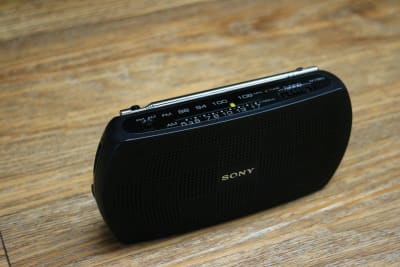
"AM radio is a vital emergency broadcast system and a crucial platform for diverse voices, particularly those often underserved by mainstream media," states Dr. Evelyn Reed, a media studies professor at Georgetown University. "Its potential removal from new vehicles isn't just a technological shift; it's a cultural and political one that warrants careful consideration." For decades, AM radio has been a constant in American life, a familiar hum on long drives and a reliable source of news and entertainment. However, its presence in the digital age has been steadily eroding. Automakers, driven by evolving consumer preferences and the rise of digital audio streaming, have begun phasing out AM radio receivers in new car models. This decision, while seemingly a minor technical alteration, has ignited a surprisingly fierce debate, drawing in politicians, media executives, and a segment of the public concerned about the implications. The core of the controversy lies in the perceived obsolescence versus the enduring utility of AM radio. Critics point to declining listenership figures and the proliferation of alternatives like satellite radio, podcasts, and music streaming services, which offer greater choice and customization. Data reveals a significant trend: over the past decade, 342 AM radio stations have ceased broadcasting, marking a 7% reduction since 2015. This decline has also impacted major broadcasting companies, with several, including Cumulus Media and iHeartMedia, undergoing bankruptcy proceedings in recent years, underscoring the financial pressures facing the industry. However, proponents argue that AM radio's value extends beyond mere listenership numbers. They highlight its critical role in disseminating emergency alerts during natural disasters and widespread power outages, a function that digital alternatives may not always reliably replicate. Furthermore, AM radio serves as a unique conduit for specific communities and political viewpoints. Many conservative talk shows and religious programming, which often cater to a substantial, dedicated audience, broadcast exclusively on AM frequencies. This has led some to view the move by automakers as an attempt to silence or marginalize these particular voices. Former President Donald Trump has become a vocal champion for retaining AM radio in vehicles. He has publicly decried the automakers' decision, framing it as a politically motivated move against conservative viewpoints. "What do they want to do? Take it off the cars or something?" Trump remarked on a conservative talk radio program, adding, "I’ve got to stop that. ... Why do they want to take AM radio? It’s so ridiculous." He has pledged to protect what he calls "pro-God" content and has lent his support to legislation, such as the "AM Radio for Every Vehicle Act," aimed at mandating its inclusion in new cars. The public reaction has been polarized, largely mirroring existing political divides. Social media platforms have become arenas for heated discussions, with hashtags related to AM radio trending intermittently. Supporters of the push to keep AM radio in cars often share personal anecdotes about its importance during emergencies or its role in keeping them informed about issues they feel are underrepresented elsewhere. Conversely, many younger users and tech-savvy individuals express bewilderment, questioning why a seemingly outdated technology should be preserved at the expense of innovation and vehicle design flexibility. The economic implications are also significant. While major broadcasters face financial challenges, the AM radio ecosystem supports numerous local stations, journalists, and production staff. Mandating its inclusion could ensure continued revenue streams for these entities. However, it could also impose costs on automakers and potentially limit design choices or add complexity to vehicle electronics, arguments often raised by industry representatives who prefer market-driven decisions. The political dimension cannot be overstated. The debate has become entangled with broader discussions about media bias, freedom of speech, and the role of government in regulating technology. Trump's active engagement has amplified the issue, turning it into a talking point for his supporters and a symbol of perceived censorship for some. This politicization risks overshadowing the more nuanced technical and economic arguments at play. Looking ahead, the fate of AM radio in new vehicles hinges on a confluence of legislative action, industry negotiation, and evolving public opinion. The "AM Radio for Every Vehicle Act" faces a challenging path through Congress, and its passage is far from guaranteed. Meanwhile, automakers are weighing the costs and benefits of retaining the technology against consumer demand for integrated digital systems. The broader question remains whether AM radio can adapt and find a sustainable niche in a rapidly changing media landscape or if its inclusion in vehicles will ultimately become a relic of a bygone era, preserved by political will rather than market necessity.
In Brief
The decision by automakers to remove AM radio from new vehicles has sparked a political firestorm, with former President Trump leading calls to preserve the technology. This article explores the debate's roots, its broader implications, and what the future holds.Advertisement




Comments
No comments yet. Be the first to comment!