

At a Glance
- The International Olympic Committee (IOC) has announced a significant overhaul of the Alpes 2030 Winter Olympics venue strategy, dramatically reshaping the event's geographical footprint and logistical framework.
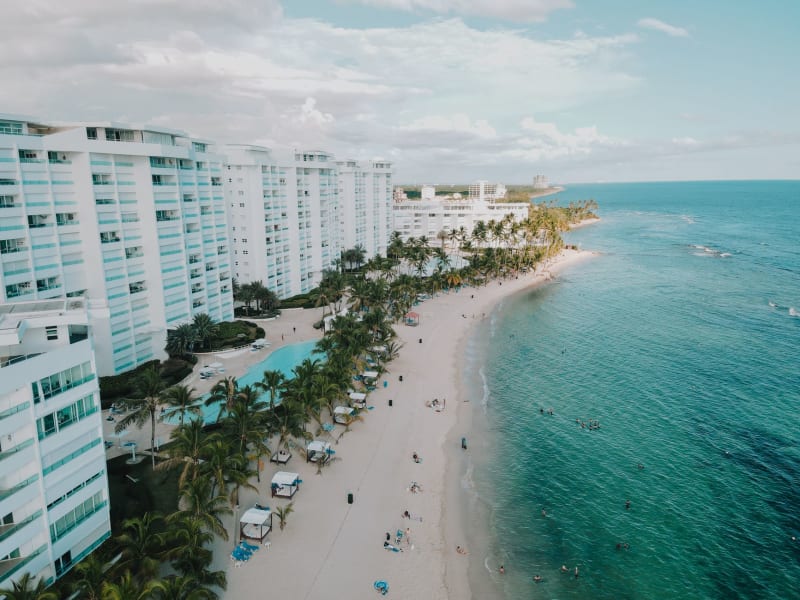
- Crucially, the entire French Riviera cluster has been officially removed from the hosting plans, marking a definitive departure from the initial proposals that envisioned coastal events.
- This decisive pivot stems from mounting concerns over both the substantial financial implications and the potential environmental impact associated with developing new infrastructure in the sensitive Riviera region.
- The revised strategy places a strong emphasis on leveraging existing, proven winter sports facilities, thereby championing sustainability and reducing the need for new, temporary constructions.
- Local economies and communities across the affected French Riviera are now grappling with the immediate and long-term consequences, ranging from lost economic opportunities to relief over environmental preservation.
- The IOC's updated blueprint for the Games aims for unparalleled operational efficiency and a more responsible, consolidated approach, setting a new benchmark for future Olympic host selections.
The Record
The International Olympic Committee (IOC) has formally declared a monumental restructuring of the Alpes 2030 Winter Olympics venue strategy, fundamentally altering the geographic scope of the upcoming Games. This sweeping decision specifically entails the complete excision of the French Riviera cluster from the hosting blueprint, a move that reverberates across both local communities and the broader Olympic movement. The announcement follows an intensive period of rigorous evaluation, scrutinizing the economic viability and ecological footprint of the initial proposals. This recalibration underscores a resolute commitment by the IOC to align the Games with contemporary principles of sustainability and fiscal prudence, setting a new precedent for mega-event planning.
This strategic pivot by the IOC's Future Host Commission, in close collaboration with the French organizing committee, is not merely a logistical adjustment but a profound philosophical shift. It signals a definitive move away from the traditional model of extensive new construction towards a more pragmatic utilization of existing infrastructure. The core rationale behind vacating the Riviera cluster centers on mitigating environmental impact and curbing potentially exorbitant costs, issues that have plagued previous Olympic Games. This proactive measure aims to ensure the Alpes 2030 Games embody a responsible and enduring legacy, rather than leaving behind a trail of financial burden or ecological damage.
The implications of this decision extend far beyond mere venue changes. For the French Riviera, it means a significant re-evaluation of anticipated economic boosts and tourism inflows that were once projected. While proponents argue for the necessity of such changes for the long-term health of the Olympic movement, the immediate fallout includes disappointed local businesses and a reassessment of regional development plans. This situation highlights the inherent tension between the aspirational grandeur of the Olympics and the practical realities of sustainable, cost-effective execution in an era of heightened environmental consciousness.
Who Knew and When
The seeds of doubt regarding the French Riviera cluster's suitability were sown many months prior to the official announcement, with internal discussions intensifying within the International Olympic Committee (IOC) and the French organizing committee. Unofficial reports and strategic leaks began to surface late last year, hinting at significant logistical and environmental hurdles that challenged the feasibility of the initial proposals. These early signals, though not publicly confirmed, suggested a growing unease about the extensive infrastructure development required and the potential ecological ramifications for the region's delicate coastal ecosystems.
While the public was largely kept in the dark, behind closed doors, a rigorous and multi-faceted assessment process was well underway. Internal memos, expert consultations, and detailed environmental impact studies consistently flagged the Riviera cluster as a high-risk proposition. Stakeholders, including prominent environmental advocacy groups and regional governmental bodies, were reportedly engaged in ongoing dialogues, presenting their concerns and alternative perspectives. This comprehensive internal review, spanning several months, ultimately laid the groundwork for the decisive action taken by the IOC, indicating a methodical rather than impulsive decision-making process.
Despite the prolonged internal deliberations, the official confirmation of the Riviera cluster's abandonment still landed with a degree of surprise for many external observers and regional stakeholders. The lack of transparent public communication leading up to the announcement meant that local businesses and residents, who had been anticipating the economic windfall of the Games, were left largely unprepared for such a drastic change. This communication gap underscores a recurring challenge in mega-event planning: balancing sensitive internal negotiations with the public's right to timely and comprehensive information about projects directly impacting their communities and livelihoods.
Voices from the Ground
The International Olympic Committee's decision has unleashed a torrent of mixed reactions across the French Riviera, leaving local communities grappling with a complex tapestry of disappointment, relief, and uncertainty. Businesses, particularly those in hospitality, retail, and construction, which had strategically positioned themselves to capitalize on the anticipated surge in tourism and infrastructure development, are now facing the daunting task of rapidly recalibrating their long-term investment strategies and operational forecasts. The sudden withdrawal of the Olympic spotlight has undeniably cast a shadow over projected economic growth, forcing a painful reassessment of future prospects for many regional enterprises.
Conversely, a significant segment of the local populace and environmental advocacy groups have openly welcomed the IOC's pivot, viewing it as a crucial victory for ecological preservation and community well-being. Residents had voiced profound concerns about the potential for irreversible environmental degradation, including habitat destruction and increased pollution, alongside the inevitable surge in traffic congestion and the overwhelming strain on already stretched local resources. For these voices, the decision represents a triumph of sustainable planning over short-term economic gains, safeguarding the unique natural beauty and tranquility of the Riviera for future generations.
However, not all reactions are celebratory. Local political leaders and regional development agencies are vocally lamenting the perceived loss of international prestige and the substantial economic opportunities that the Olympic Games would have brought. Many argue that the Riviera region possessed the capacity and readiness to host its designated events, asserting that the withdrawal represents a missed chance for global visibility and long-term infrastructure investment. This divergence of opinion highlights the deep-seated conflict between economic ambition and environmental responsibility, a debate that continues to polarize stakeholders across the affected territories.
The Debate
The contentious debate ignited by the Alpes 2030 venue changes fundamentally revolves around the intricate and often conflicting priorities of economic advancement, stringent environmental protection, and the evolving ethos of the Olympic Games themselves. Advocates for the original French Riviera plan passionately championed the immense economic benefits it promised, envisioning a significant boost in regional GDP, substantial job creation across various sectors, and critical upgrades to local infrastructure. They argued that the global spotlight of the Olympics would provide an unparalleled platform for the Riviera, fostering long-term tourism and investment opportunities that far outweighed any perceived drawbacks.
Conversely, a formidable coalition of environmental organizations, local community groups, and sustainability experts mounted a sustained campaign, raising urgent alarm bells about the profound ecological footprint of constructing new, large-scale venues within the Riviera's delicate coastal ecosystem. Their arguments focused on the irreversible damage to biodiversity, the increased carbon emissions from extensive development and transportation, and the questionable long-term utility of potentially temporary facilities. These opponents consistently highlighted the inherent contradiction of hosting a "sustainable" Games while simultaneously compromising fragile natural habitats, pushing for a more responsible approach that prioritized conservation over construction.
The IOC's ultimate decision to abandon the Riviera cluster is widely interpreted as a significant triumph for environmental stewardship and a clear signal that the Olympic movement is recalibrating its priorities. This move, however, simultaneously reignites a broader, more profound discussion about the true, multifaceted cost and enduring impact of hosting mega-events in the 21st century. It forces a critical examination of whether the traditional model of Olympic expansion is truly sustainable, prompting stakeholders to reconsider the balance between global spectacle, local prosperity, and planetary health, shaping the future trajectory of international sports events.
Your Questions Answered
What Accountability Looks Like
The International Olympic Committee's decisive action to eliminate the French Riviera cluster from the Alpes 2030 plans represents a significant and commendable stride towards enhanced accountability in the intricate realm of Olympic planning. This strategic pivot, prioritizing robust sustainability and stringent cost-effectiveness over potentially extravagant new developments, directly addresses and responds to decades of persistent criticisms regarding the immense environmental and financial burdens historically imposed on host cities. It signals a clear recognition by the IOC that the traditional model of unchecked expansion is no longer viable or desirable in the current global climate, demanding a more responsible approach.
This bold move sets a crucial precedent, unequivocally indicating that future host cities will be subjected to far stricter standards concerning the ecological and economic viability of their proposals. It underscores a renewed commitment from the IOC to learn from the costly lessons of past Games, where host nations frequently grappled with crippling debts, underutilized "white elephant" venues, and irreversible environmental damage post-event. By actively demonstrating a willingness to course-correct and prioritize responsible stewardship, the committee is attempting to rebuild trust and redefine the legacy of the Olympic movement for a new era.
Ultimately, this re-evaluation suggests a hopeful trajectory for the future of mega-event hosting, moving towards a model where environmental integrity and fiscal responsibility are not merely afterthoughts but foundational pillars. The "Accountability Meter" for the IOC has undoubtedly registered a positive shift with this decision, potentially inspiring other major international sporting bodies to adopt similar rigorous standards. This could lead to a more sustainable, equitable, and ultimately more respected global sporting landscape, ensuring that the spirit of the Games thrives without compromising the planet or the prosperity of host communities.

















Comments
No comments yet. Be the first to comment!