
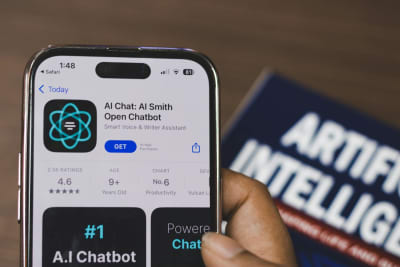
A startling 47% of answers provided by leading artificial intelligence chatbots on health-related inquiries were incorrect, with nearly one in five of those wrong responses deemed potentially harmful, according to a comprehensive review of AI capabilities in medical advice. This figure, derived from research involving five major AI models and 250 distinct health questions, paints a concerning picture of the digital tools millions are turning to for health information, often as a first point of contact. Nicholas Tiller, a research associate at the Lundquist Institute for Biomedical Innovation at Harbor-UCLA Medical Center, spearheaded one of the pivotal studies. His team found that the AI systems, including widely used platforms like ChatGPT and Gemini, struggled significantly with nuance and accuracy when presented with medical queries. The implications are profound: individuals seeking guidance on everything from minor ailments to serious conditions might be receiving advice that is not only ineffective but actively dangerous. Tiller himself expressed shock at the findings, noting that the advice given would "more than likely cause somebody harm if they were to follow the advice." This isn't an isolated incident. A separate, independent study conducted by researchers at Mass General Brigham, published in JAMA Network Open, employed a different methodology but arrived at similar conclusions. This research involved 21 different AI models, tasked with acting as virtual physicians for realistic patient scenarios. The results were equally dismal, with the AI tools consistently failing to provide reliable diagnostic or treatment suggestions. The convergence of these findings from distinct research groups underscores the systemic nature of the problem. The problem lies partly in the AI's inherent architecture and training data. These models are designed to generate plausible-sounding text based on vast datasets, not to possess genuine medical understanding or diagnostic capability. They can inadvertently perpetuate misinformation or present outdated, incorrect, or even fabricated medical advice as fact. The ease with which AI can generate convincing, yet erroneous, information was highlighted by a separate experiment where researchers created a fictional illness, "bixonimania," complete with fabricated studies, and found it was readily incorporated into AI knowledge bases, even with deliberately obvious false indicators. Experts are sounding the alarm about the potential consequences of this widespread reliance on imperfect AI for health decisions. Dr. Anya Sharma, a clinical informaticist not involved in the studies, commented, "We're seeing a dangerous democratization of potentially bad medical advice. Patients might bypass professional medical consultation, leading to delayed diagnoses, inappropriate self-treatment, and a general erosion of trust in evidence-based medicine." The resonance of this issue is amplified by the current information landscape. In an era rife with health misinformation, the allure of quick, readily available answers from AI is powerful. People are accustomed to using digital assistants for everyday tasks, and extending that trust to health matters, especially when presented with confident-sounding AI responses, seems a natural, albeit risky, progression. The sheer volume of information available online, coupled with the difficulty in discerning credible sources, pushes many towards these seemingly authoritative AI interfaces. For the short term, the immediate impact is a heightened risk of individuals making detrimental health choices based on flawed AI guidance. This could manifest as incorrect dosages of medication, misunderstanding of symptoms, or following harmful wellness trends. The long-term implications are more systemic: a potential increase in public health crises due to widespread misinformation, a strain on healthcare systems dealing with the fallout of delayed or mismanaged conditions, and a critical need for enhanced digital literacy and AI regulation in sensitive fields. The future of AI in healthcare requires a delicate balance. While these tools show promise for administrative tasks, research analysis, and patient education when overseen by professionals, their direct use for medical advice needs stringent safeguards. Regulatory bodies and AI developers must collaborate to establish clear guidelines, implement robust accuracy testing, and ensure transparency about the limitations of these technologies. The goal should be to harness AI's potential to augment, not replace, human medical expertise, ensuring patient safety remains paramount. Looking ahead, the critical next steps involve developing AI models specifically trained and validated for medical applications, alongside public education campaigns that foster skepticism and encourage users to cross-reference AI-generated health advice with qualified healthcare providers. Continuous monitoring and rigorous independent testing of these systems will be essential to prevent the dissemination of harmful medical inaccuracies and to build a future where AI serves as a trustworthy, albeit supplementary, tool in the pursuit of health and well-being.
In Brief
New studies reveal that popular AI chatbots provide dangerously inaccurate medical advice, raising serious concerns for millions who use them for health queries. Experts warn of significant risks.Advertisement





Comments
No comments yet. Be the first to comment!