
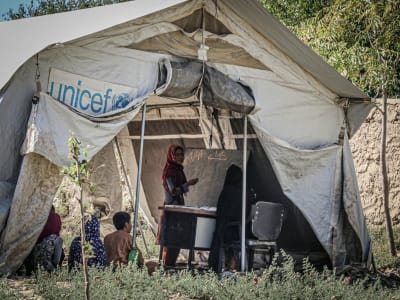
The roar of a crowd, the crack of a bat, the scent of freshly cut grass – for many, these are the familiar sensations of international cricket. But for a group of Afghan women, the journey to experience these simple joys again has been anything but straightforward. Their upcoming tour of England, beginning June 22nd, is not merely a sporting event; it is a testament to resilience, a defiant act of reclaiming a passion systematically stripped away by the Taliban's return to power. These athletes, once representing their nation, now play under the banner of Afghanistan's refugee team, their presence on English soil a potent symbol of hope and a stark reminder of the challenges faced by women in their homeland. The story of these cricketers is one of profound loss and tenacious rebuilding. Following the Taliban's takeover in August 2021, women were systematically excluded from public life, including sports. Many of these talented athletes, who had been contracted by the Afghanistan Cricket Board, faced a stark choice: abandon their dreams or flee their country. The majority have found a new home in Australia, where they've continued to play in domestic leagues, a vital lifeline that kept their skills sharp and their spirits alive. Yet, the dream of international competition remained tantalizingly out of reach, a void that their plea to the International Cricket Council (ICC) to recognize them as a refugee team aimed to fill. This tour is the culmination of a five-year effort, a period marked by uncertainty and adversity. It's backed by the England and Wales Cricket Board (ECB), who have recognized the "significant cultural and sporting importance" of hosting these players. The ECB's commitment extends beyond just providing a platform for matches; it’s about championing the cause of women's participation in sport globally. The itinerary includes Twenty20 fixtures, training opportunities, and even a chance to witness the Women’s T20 World Cup final at the iconic Lord's Cricket Ground on July 5th. This is more than just cricket; it's about belonging and being seen. The narrative has been significantly shaped by external support, notably from the consultancy firm "It's Game On," co-founded by former Australian international cricketer Mel Jones. Jones has been a vocal advocate, highlighting the "extraordinary courage and commitment" of these players and emphasizing that they "deserve to be recognized as part of the global cricket community." Her calls for "sustained and meaningful action beyond this year" underscore the ongoing need for support, suggesting this tour is a crucial, but not final, step in their journey. Data from the ICC, while not directly addressing this specific refugee team, points to the governing body's regulations requiring all Test-playing members to support both men's and women's national teams. The current situation for these Afghan women highlights a potential gap in these regulations when national structures collapse or become exclusionary. The fact that they have had to form a refugee team, rather than being officially recognized and supported by their national board, speaks volumes about the political realities impacting sports governance. Public reaction on social media has been overwhelmingly positive, with #AfghanWomenCricketers and #CricketForInclusion trending. Many users have expressed admiration for the players' tenacity, sharing messages of support and solidarity. Hashtags like #StandWithAfghanWomen have amplified their story, drawing attention to the broader human rights issues at play. However, there are also discussions about the ICC's role and responsibility in ensuring the continued participation of women in cricket from all nations, particularly those facing political turmoil. The societal implications of this tour extend far beyond the boundaries of cricket. It serves as a powerful global statement on the importance of inclusion and the right of women and girls to participate in sports and public life, regardless of political regimes. In a world where women's rights are under threat in various regions, this initiative by the ECB and the players themselves offers a beacon of hope and a model for how international sporting bodies can actively support marginalized athletes. Looking ahead, the focus will undoubtedly be on the performance of the Afghan refugee team on the field, but more importantly, on the long-term support they will receive. Will this tour pave the way for more official recognition and integration into the international cricket circuit? Will the ICC take concrete steps to address similar situations in the future? The conversations initiated by this tour must translate into tangible actions to ensure that the passion and talent of these women are not extinguished by circumstances beyond their control. The world will be watching, not just for the wickets and runs, but for the enduring spirit of these extraordinary athletes.
In Brief
Afghan women cricketers, excluded from sports under Taliban rule, embark on a landmark tour of England. This journey highlights their resilience and advocates for women's inclusion in global sport.Advertisement



Comments
No comments yet. Be the first to comment!