
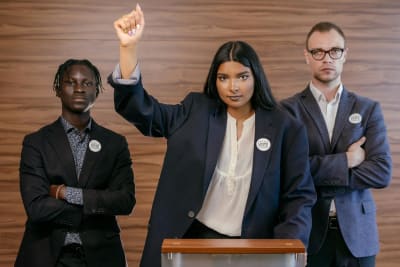
The roar of online debate has reached a fever pitch for many young Colombians as they navigate a presidential election, yet the true impact of their digital energy hinges on translating clicks into concrete civic action. Social media platforms have become fertile ground for political discourse, allowing swift dissemination of ideas and rapid mobilization of support. This digital fervor, while undeniably potent in shaping opinion and fostering engagement, presents a critical juncture: can this online momentum be effectively channeled into the established, often slower, mechanisms of democratic governance? The challenge lies in bridging the gap between the immediate gratification of a viral post and the patient, structured work required to enact lasting political change. Historically, political participation has evolved alongside communication technologies, but the current digital landscape presents a unique paradigm. While previous generations might have relied on town hall meetings, pamphlets, and party rallies, today's youth are adept at leveraging algorithms and hashtags to amplify their voices. This shift is not inherently negative; it signifies a generation that is more aware and willing to engage with public affairs. However, the rapid-fire nature of online interactions can sometimes obscure the fundamental requirements of democratic processes – understanding legislative intricacies, navigating party structures, and the painstaking effort involved in campaigning and voting. The sheer volume of information and opinion swirling online can be overwhelming, making it difficult to discern the signal from the noise. Currently, the political climate in Colombia, as in much of Latin America, is characterized by a palpable desire for renewal and a demand for greater accountability from elected officials. Young Colombians, in particular, have shown a remarkable capacity for organizing and advocating for their preferred candidates and policies through digital channels. They are sharing manifestos, debating policy nuances, and encouraging voter turnout with an intensity rarely seen before. This digital groundswell is a testament to their commitment, but the critical question remains whether this energy translates into tangible electoral success or sustainable policy influence beyond the election cycle. The ease with which opinions can be formed and shared online does not always equate to a deep understanding of the systemic challenges that governments face. The connection to broader global trends is undeniable. Across the world, we are witnessing a generation coming of age in an era of unprecedented digital connectivity, where social movements are often born and amplified online. From the Arab Spring to recent protests in various nations, digital activism has proven its ability to challenge established powers. However, a recurring theme is the difficulty in transitioning this online energy into sustained, institutional change. Many of these movements have found that while they can mobilize millions digitally, translating that force into policy shifts or electoral victories requires navigating the complex, often bureaucratic, realities of governance. This is a challenge faced by young leaders everywhere, not just in Colombia. The inherent structure of democratic systems demands patience and strategic engagement. Unlike the instantaneous feedback loops of social media, real political power is cultivated through established frameworks such as political parties, legislative bodies, and electoral cycles. This requires a deep understanding of constitutional rules, election schedules, and the internal workings of political organizations. The temptation to seek immediate victories through online discourse must be tempered by an appreciation for the long game of politics, where influence is built incrementally through persistent, informed participation within the existing system. There are no algorithmic shortcuts to winning elections or passing legislation. Public reaction, particularly on social media, has been a mixed bag. While many young people celebrate the increased accessibility and participatory nature of online politics, older generations and political veterans often express concern about the superficiality and potential for misinformation that can flourish in the digital sphere. There are valid points on both sides. The digital space has democratized access to information and provided a platform for marginalized voices, but it has also become a breeding ground for echo chambers and polarized viewpoints, potentially hindering constructive dialogue and compromise. The speed at which information, or indeed misinformation, can spread online is staggering, often outpacing fact-checking efforts. The specific facts on the ground in Colombia highlight this dynamic. As of recent reports, a significant percentage of young Colombians (often cited as over 60% in pre-election surveys) identify social media as their primary source of political information. This reliance, while indicative of their engagement, also underscores the potential vulnerability to online manipulation and the challenge of ensuring they are exposed to a balanced range of perspectives. Furthermore, established political parties, even those favored by younger demographics, often struggle to integrate this digital energy into their traditional organizational structures, which remain crucial for election day operations and voter turnout. Looking ahead, the crucial test for young Colombian leaders and their engaged digital communities will be their ability to move beyond online advocacy and participate meaningfully in the traditional political arena. This means understanding the nuances of legislative processes, engaging with community organizers, and leveraging the power of the vote not just as an expression of preference, but as a tool for systemic change. The success of their generation's political awakening will ultimately be measured not by the virality of their posts, but by their sustained impact on the policies and institutions that shape their nation's future. The coming months and years will reveal whether this digital-first generation can effectively integrate its passion with the enduring, often unglamorous, work of democratic participation.
In Brief
Young Colombians are highly engaged online during the presidential election, but their digital activism faces a crucial test: can it translate into real-world political power and lasting change beyond social media?Advertisement





Comments
No comments yet. Be the first to comment!