
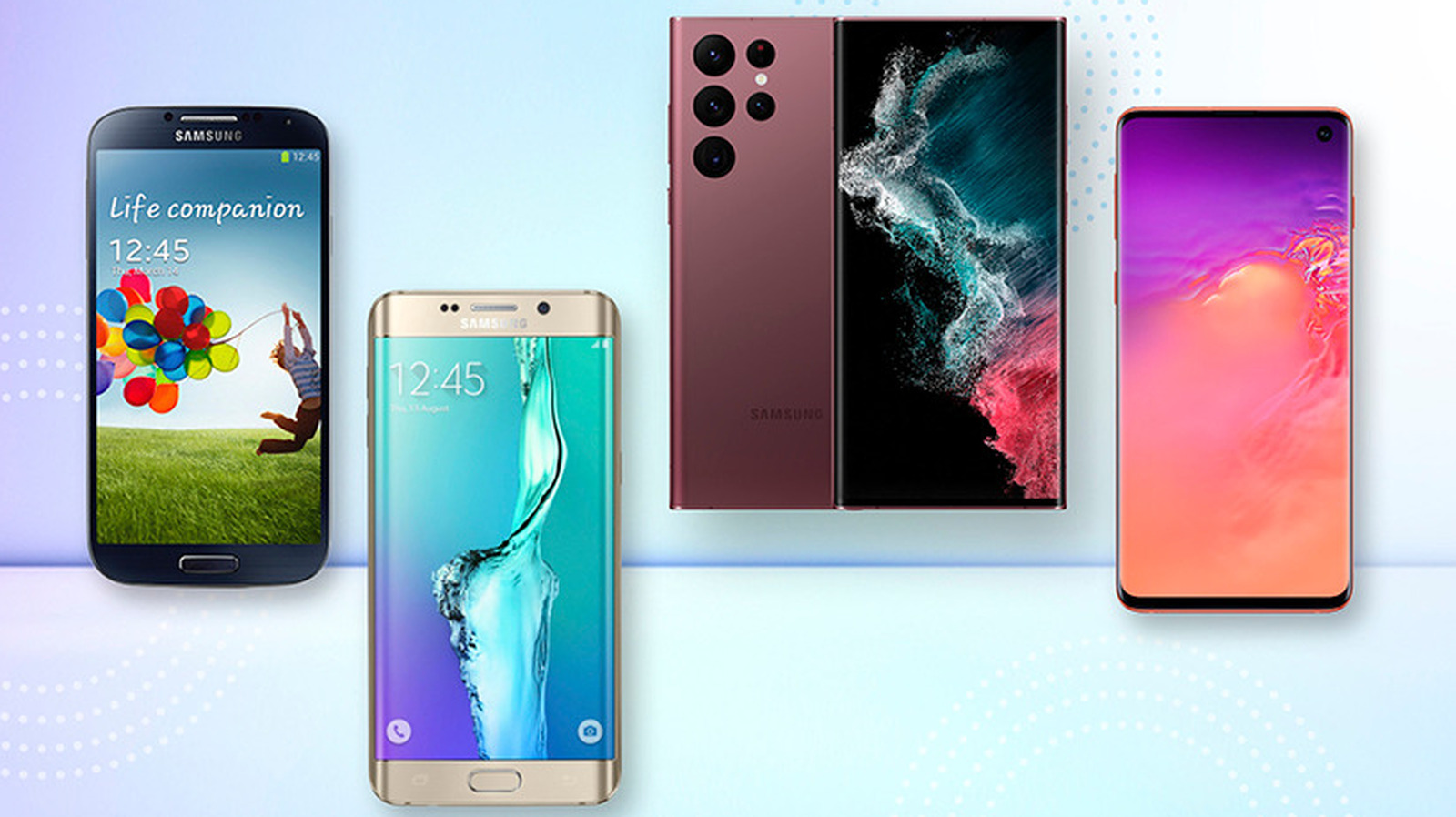
OLED panels are nothing new when it comes to cellphones. In fact, flip phones dating back to 2003 used OLED for their tiny external displays. However, in recent years, smartphone manufacturers have made OLED panels — AMOLED screens specifically, which feature much higher resolutions than those from the flip phone era — the standard for their products. In 2024, OLED surpassed LCD as the most common display for smartphone shipments, and they've only become more dominant since then.
Though OLED is often considered superior to LCD, offering better color accuracy and contrast, it's not as simple as that. LCD screens tend to hold up better in bright light and don't have burn-in issues that impact the screen's longevity. OLED screens also flicker in a way LCD ones don't, a result of these panels illuminating pixels individually rather than using a backlight for an entire panel. Even if you can't see it, flickering can trigger physiological responses, causing eye strain, headaches, and even nausea for many users similar to those caused by strobe lights.
Smartphone makers used to offer both OLED and LCD panel phones, with the LCD used for budget models like the iPhone SE line. However, major companies like Apple, Samsung, and China's Redmi have discontinued LCD screen phones for reasons that, while frustrating for those who don't want to or can't make the switch, do make some sense.
Why OLED panels are replacing LCD for smartphones
One reason for OLED panels usurping LCD ones in smartphone production is simple: OLED has become a buzzword that is associated with higher quality. OLED TVs have become increasingly popular despite the fact that even a budget-friendly option will still set you back around $1,000. Their color accuracy is unmatched, and their benefits outweigh their disadvantages for many consumers. That translates into good marketing for companies like Apple and Samsung, who can boast that all of their phones (even the cheaper options) have a vibrant OLED screen.
There's also the fact that OLED panels are generally thinner and lighter than LCD ones. That means designers can fit more components, or larger ones, into the device itself, as every little bit of real estate matters when dealing with small but powerful pieces of tech like a smartphone. It's also not as simple as just swapping an LCD panel for an OLED one, as a phone's screen is an important piece of its design and engineering.
Ultimately, as Redmi Marketing Manager Ethan Zhang Yu explained in a Weibo post, it comes down to balancing user needs with what's going to sell. OLED screens are more impressive, more in-demand, and more expensive, so even if LCD screens have their advantages and are necessary for those who are flicker sensitive (including the Redmi executive himself), the newer, shinier tech is what you can expect moving forward.


Comments
No comments yet. Be the first to comment!