
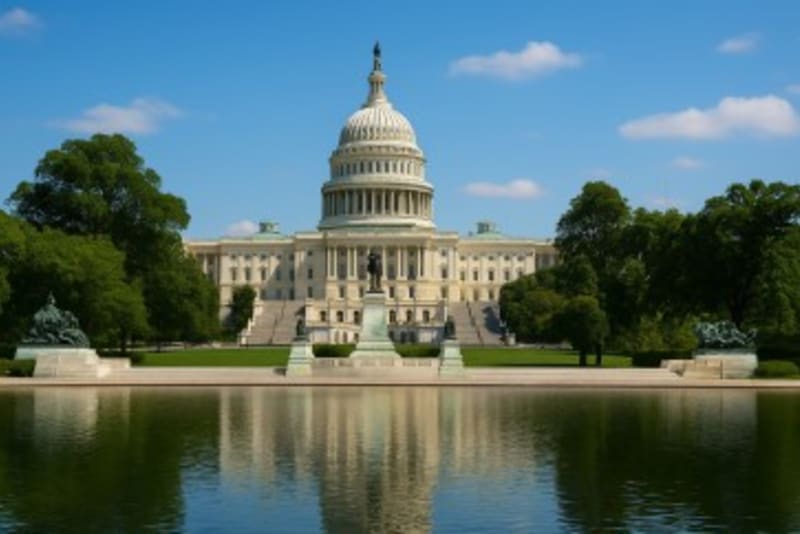
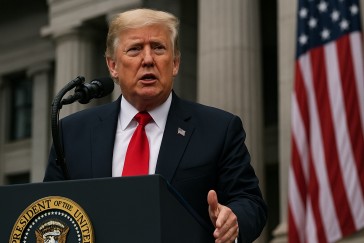
The Trump administration, caught in a deepening fiscal confrontation with Congress, confirmed on Tuesday that 4,108 federal employees have been terminated since the federal government shutdown began on October 1. This move marks an unprecedented escalation in the shutdown tactic, raising serious legal, operational, and political questions.
Context & Background
Nationwide, a continuing resolution funding the U.S. government expired at 12:01 a.m. EDT on October 1 after Congress failed to pass appropriations legislation for fiscal year 2026. Wikipedia+2AP News+2
Traditionally, during shutdowns, non-essential federal workers are placed on furlough (temporarily barred from work but typically assured back pay). But the Trump administration—driven by Budget Office head Russ Vought—has diverged from precedent by issuing permanent terminations (Reduction-in-Force, or RIFs) at key agencies. Politico+2AP News+2
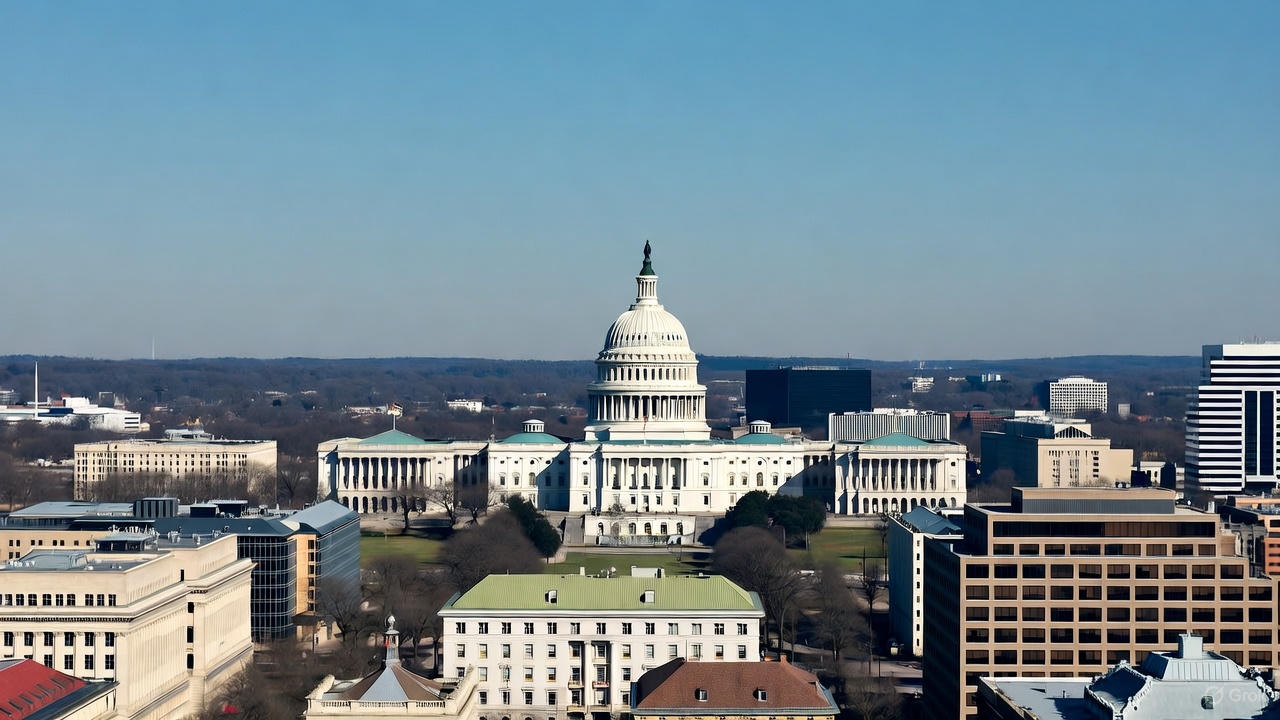
According to a court filing cited by the administration, the 4,108 job cuts reflect a downward revision of an earlier estimate (4,278). Reuters
The firings span multiple departments, including health, education, environment, and homeland security, with more than 1,000 terminations at the Department of Health and Human Services, particularly at the Centers for Disease Control and Prevention (CDC). TIME+5Wikipedia+5AP News+5
Notably, the administration has also halted billions in infrastructure and climate funding and signaled more program cuts if the impasse continues. Politico+2AP News+2
From the administration’s perspective, these moves are positioned as necessary reforms:
“We’re eliminating egregious, socialist, semi-communist programs,” President Trump declared, warning additional cuts if the shutdown drags on. Politico
OMB Director Vought echoed that the RIFs have begun and cast the firings as distinct from standard furloughs:
“The RIFs have begun,” Vought posted, emphasizing that this is a structural reorganization, not merely a temporary halt. Politico
What Is Confirmed vs. What Is Alleged
Confirmed: The administration acknowledges the 4,108 firings; Congress remains gridlocked; major agencies—especially in health and education—are facing deep cuts. TIME+3Reuters+3AP News+3
Alleged / Contested:
• Unions argue that mass terminations during a shutdown may violate the Antideficiency Act, which restricts the federal government from engaging in non-essential spending during funding lapses. Wikipedia+2Reuters+2
• The administration claims program cuts are ideological and permanent; critics see them as leveraging the shutdown for partisan agenda rather than necessity. Politico+1
• The full operational impact—especially in public health surveillance, disease tracking, and education oversight—remains uncertain. Reports already suggest the CDC is “non-functional” in certain units after the firings. TIME
Meanwhile, Democrats in Congress are pushing countermeasures. One bill introduced would reclassify the Women, Infants, and Children (WIC) nutrition program as mandatory spending to keep it shielded from shutdown disruption. The Guardian
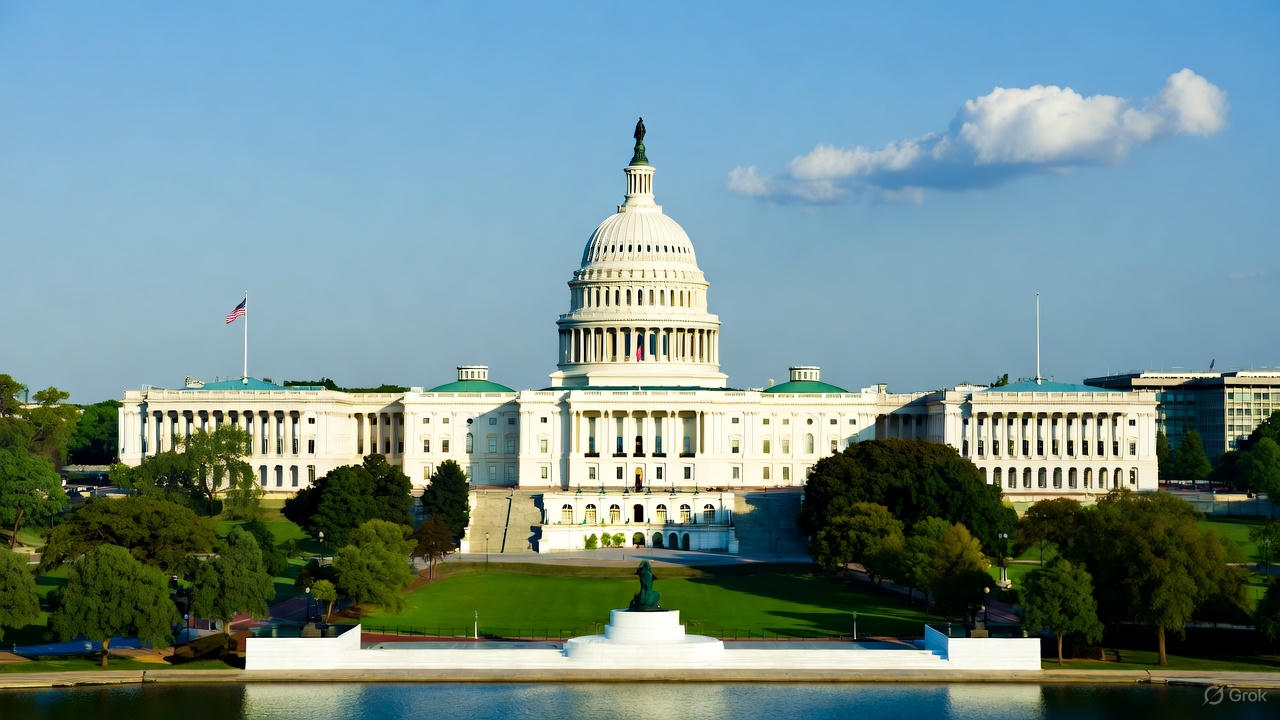
Consequences & Next Steps
The legal battle is looming. Unions representing federal workers have filed lawsuits, claiming that firings during a shutdown contravene federal law. A judge is scheduled to hear arguments on Oct. 15. Reuters
Operationally, key agencies—especially those tied to health monitoring, environmental oversight, and education enforcement—could suffer long-term setbacks, eroding institutional capacity. TIME+2The Times of India+2
Politically, this aggressive strategy heightens tensions between the executive branch and Congress, raising questions about checks and balances amid fiscal brinkmanship. Some analysts view the firings as a gambit to force Democrats into concessions, though it carries risks for both parties' public standing. AP News+1
If the shutdown persists, further cuts are expected. The administration has already signaled additional program eliminations on Friday if no deal emerges. Politico



Comments
No comments yet. Be the first to comment!