
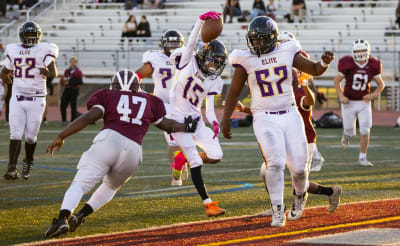
The modern professional sports landscape has long been a complex tapestry, woven with threads of athletic achievement, intense competition, and, increasingly, the personal convictions of its participants. While athletes have always possessed individual beliefs, the public arena in which these are expressed has shifted dramatically. Decades ago, overt political declarations from players were rare, often relegated to private conversations or carefully worded statements delivered through official team channels. The expectation of a certain apolitical decorum on the field, and by extension in the locker room, was largely unspoken but widely understood. This historical reticence, however, has given way to a more vocal generation of athletes who feel empowered, and perhaps even obligated, to speak out on issues they deem important, blurring the lines between sports and civic engagement. The current friction point involves New York Giants linebacker Abdul Carter’s pointed public reaction to a video featuring fellow player Jaxson Dart, a quarterback, expressing support for a prominent political figure. Carter, visibly taken aback, initially questioned the authenticity of the clip, a reaction that speaks volumes about the shockwaves such endorsements can send through team dynamics. This isn't merely about differing political viewpoints; it's about the potential for these divisions to seep into the core of team cohesion, a vital ingredient for success in a sport that demands absolute trust and synchronized effort. Why this matters now is rooted in the heightened political polarization gripping society. When a public figure, especially one in the intensely scrutinized world of professional sports, aligns themselves publicly with a particular political ideology, it inevitably invites scrutiny and potential backlash. For fans, this can create an uncomfortable dissonance, forcing them to reconcile their admiration for an athlete's on-field prowess with their potential disagreement with the athlete's off-field political endorsements. For teammates, the implications are even more immediate and personal. The shared goal of winning games can be complicated when personal values, amplified by public political stances, create an underlying tension or, worse, a perceived lack of shared purpose. The ripple effects of such public political statements extend far beyond the immediate locker room. For organizations like the Giants, it presents a delicate balancing act. They must navigate the complexities of allowing their players freedom of expression while simultaneously protecting the team's brand and ensuring an environment conducive to athletic performance. Sponsors and advertisers, increasingly attuned to the social and political stances of their partnered athletes, may also find themselves re-evaluating their affiliations, adding another layer of economic pressure. Moreover, the fan base itself is not monolithic; it comprises individuals from across the political spectrum, meaning any strong political declaration risks alienating a segment of that crucial support system. This situation directly impacts players who may feel compelled to choose sides, either implicitly or explicitly, or find themselves navigating an uncomfortable alliance with teammates whose political views they fundamentally oppose. It can create an atmosphere of division, where locker room conversations shift from game strategy to political debate, potentially eroding camaraderie. For players like Carter, the concern is likely rooted in the practicalities of team chemistry. A unit that cannot find common ground off the field may struggle to execute complex plays on it, where split-second decisions and unwavering trust are paramount. The very fabric of teamwork, built on mutual respect and shared objectives, can be strained when deeply held personal beliefs become public battlegrounds. Several potential avenues exist to mitigate such friction, though none are without their challenges. Teams could implement more robust internal dialogue sessions, facilitated by neutral parties, to foster understanding and respect for diverse viewpoints without demanding agreement. Establishing clear guidelines on public political expression, while respecting First Amendment rights, could provide a framework for navigating these sensitive waters. Jaxson Dart himself, if he wishes to maintain team unity, might consider more private avenues for expressing his political support or engage in dialogue with teammates who have concerns. The ultimate responsibility, however, often falls on the athletes themselves to gauge the potential impact of their public declarations on their professional environment. One specific instance that highlights the evolving nature of player activism occurred in 2020 when LeBron James and other NBA stars actively engaged in voter registration drives and spoke out on social justice issues, demonstrating a powerful collective voice. This contrasts sharply with earlier eras where, for example, individual athletes might have quietly supported causes but rarely used their platform for widespread public advocacy, underscoring the shift in athlete engagement with societal issues. The broader societal implication is that professional sports are increasingly becoming a microcosm of national political discourse. Athletes, by virtue of their visibility and influence, are natural focal points for these discussions. Whether by choice or by circumstance, their actions and statements carry significant weight, shaping public opinion and, at times, reflecting the deep divisions within the country. This trend challenges the notion of sports as a mere escape from reality, positioning them instead as an integral part of the ongoing societal conversation. Looking ahead, it will be crucial to observe how the Giants organization addresses this internal dynamic. Will they encourage open dialogue, enforce stricter communication policies, or allow the situation to simmer? Furthermore, the broader league offices will likely monitor this closely, as similar situations could arise across other teams. The trend toward athletes using their platforms more assertively suggests that these locker room political conversations are not a passing fad, but rather a fundamental shift in the culture of professional sports.
In Brief
A Giants linebacker's public reaction to a teammate's political video highlights growing divides in NFL locker rooms, raising questions about team unity and athlete expression.Advertisement



Comments
No comments yet. Be the first to comment!