

The Numbers
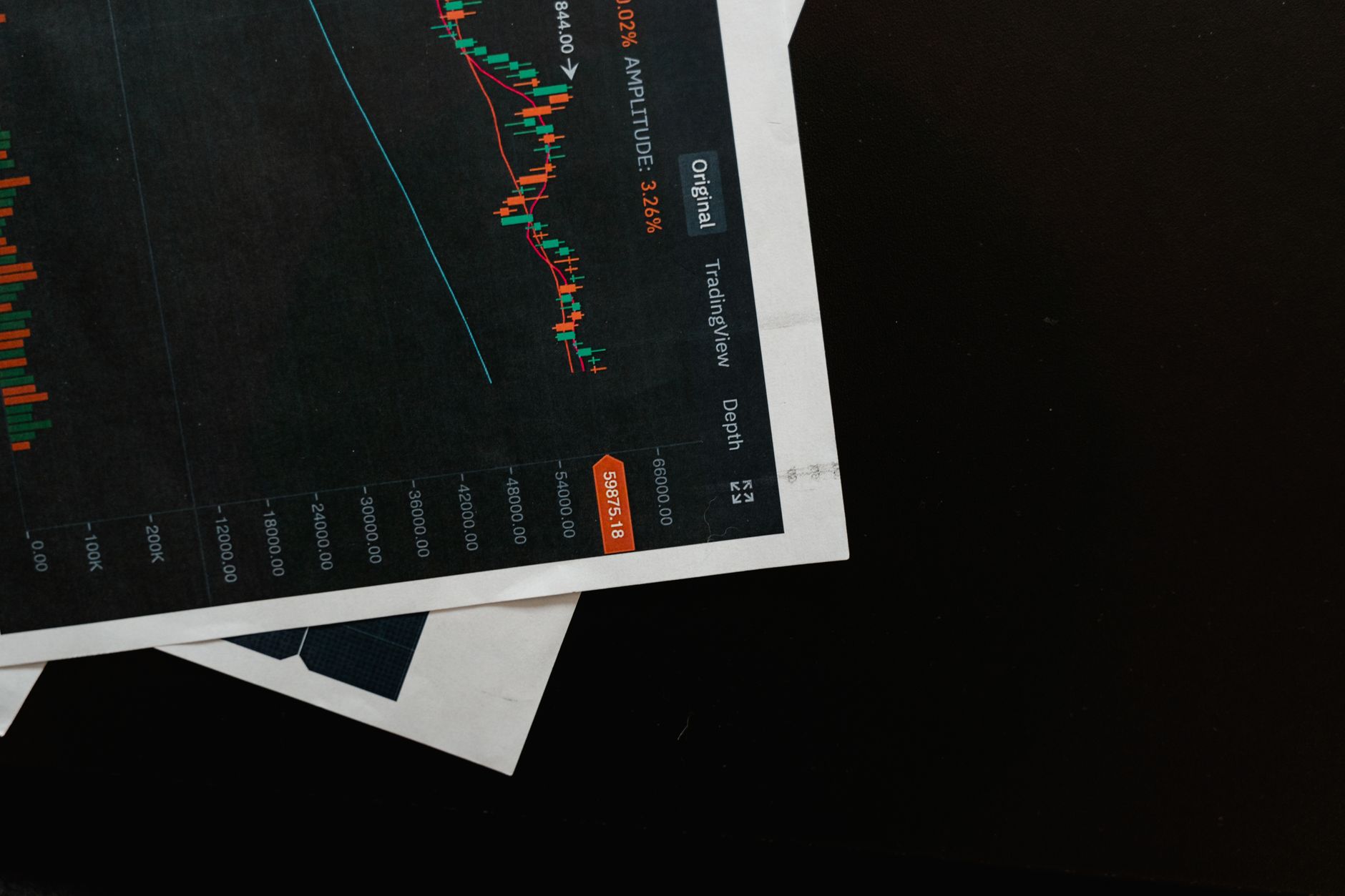
- The benchmark Nifty 50 index concluded the trading session significantly lower, settling firmly below the critical 23,850 mark, indicating a substantial breach of recent support levels and signaling heightened bearish sentiment across the broader market.
- The S&P BSE Sensex, India's other major equity benchmark, experienced a pronounced decline, shedding a substantial 890 points from its opening value, reflecting widespread investor apprehension and aggressive profit-booking activities throughout the trading day.
- Sectors such as Metals and Information Technology (IT) emerged as the primary catalysts for the market's downturn, with numerous heavyweight stocks within these industries registering steep losses and contributing disproportionately to the overall index depreciation.
- Beyond the frontline indices, the broader markets, encompassing both mid-cap and small-cap segments, also bore the brunt of intense selling pressure, recording significant corrections and highlighting a pervasive risk-off sentiment among investors.
- Market breadth decisively favored declines, with a stark ratio of falling stocks to rising stocks across exchanges, underscoring the widespread nature of the sell-off and the lack of significant buying interest to cushion the fall.
- Investor wealth, as measured by the market capitalization of all listed companies, saw a substantial erosion, reflecting billions of dollars wiped out in a single trading session, impacting a vast number of retail and institutional portfolios.
Context Check
The Indian equity market today witnessed a dramatic and widespread downturn, with both benchmark indices, the Nifty and Sensex, recording substantial losses that reverberated across nearly all sectors. This aggressive selling pressure marks a significant departure from the sustained bullish momentum observed in recent months, raising immediate concerns about the market's short-term trajectory. Investors, both domestic and foreign, displayed a palpable sense of caution, opting to offload holdings amidst a confluence of global and domestic uncertainties. The sheer scale of the decline suggests more than just routine profit-booking; it points to a deeper re-evaluation of risk appetite and future growth prospects in the current economic climate. This sudden shift necessitates a thorough understanding of the underlying triggers and potential implications for various asset classes.
The market's performance today stands as a stark reminder of its inherent volatility, contrasting sharply with the optimistic sentiment that had largely prevailed. While recent rallies were underpinned by robust corporate earnings and promising economic projections, a growing chorus of analysts had begun to voice warnings about potential overvaluation in specific market segments. Today's correction, therefore, could be interpreted as a long-anticipated recalibration, albeit one executed with considerable force and speed. The broad-based nature of the decline, affecting everything from large-cap stalwarts to more speculative small-cap ventures, indicates that investor confidence has been shaken across the board, compelling a reassessment of portfolio strategies and risk exposures.
As the dust settles on this tumultuous trading day, market participants are now intensely scrutinizing both international developments and domestic economic indicators for any clues regarding future direction. Global factors, including persistent geopolitical tensions, fluctuating commodity prices, and the evolving monetary policy stances of major central banks, continue to cast a long shadow over emerging markets. Domestically, upcoming inflation data, industrial production figures, and any hints of policy shifts from regulatory bodies will be crucial in shaping investor sentiment. The immediate challenge for investors is to navigate this period of heightened uncertainty, distinguishing between temporary corrections and more fundamental shifts in market dynamics to safeguard their capital effectively.
Background
The preceding period leading up to today's market downturn was characterized by an extended and largely uninterrupted rally, propelling Indian benchmark indices to unprecedented highs. This bullish phase was significantly fueled by a combination of factors, including consistently strong corporate earnings reports that often surpassed analyst expectations, coupled with optimistic economic projections from both governmental bodies and international financial institutions. Furthermore, robust domestic institutional investor (DII) inflows provided a solid foundation, absorbing much of the selling pressure from foreign institutional investors (FIIs) at various points. This sustained upward trajectory had instilled a sense of confidence, leading many market participants to believe in the resilience and growth potential of the Indian economy, making today's sharp correction all the more impactful.
Despite the prevailing optimism, a segment of market analysts and economists had increasingly voiced concerns regarding the sustainability of the rally, pointing to signs of potential overvaluation in specific high-growth sectors and certain mid-cap and small-cap segments. These warnings often highlighted the disconnect between some stock valuations and their underlying fundamentals, suggesting that the market might be due for a healthy correction. Moreover, the global economic landscape, fraught with uncertainties such as ongoing geopolitical conflicts, supply chain disruptions, and the persistent threat of inflation, always loomed as a potential spoiler. The sensitivity of emerging markets like India to shifts in global capital flows and risk sentiment meant that external shocks could easily trigger a re-evaluation of domestic asset prices.
Today's significant market correction can thus be contextualized as a natural, albeit sharp, recalibration following an extended period of upward movement where valuations had become stretched. While the immediate trigger might be a combination of profit-booking and specific news flows, the underlying conditions for a correction had been building. The severity of the fall, however, has certainly caught many investors off guard, especially those who entered the market during the peak of the recent rally. This event serves as a critical reminder of the cyclical nature of equity markets and the importance of fundamental analysis over speculative enthusiasm. Understanding this background is crucial for investors to make informed decisions moving forward, distinguishing between a temporary setback and a more prolonged bearish phase.
Winners and Losers
Today's trading session painted a predominantly red picture across the Indian equity landscape, with an overwhelming majority of sectors succumbing to intense selling pressure. The Metal and Information Technology (IT) sectors bore the most significant brunt of this downturn, witnessing precipitous declines in several of their heavyweight constituents. Companies involved in steel production, non-ferrous metals, and various IT services providers saw their stock prices erode sharply, contributing disproportionately to the overall market depreciation. This widespread erosion in value within these key sectors indicates a broad-based lack of confidence and aggressive profit-booking, as investors moved swiftly to de-risk their portfolios in the face of mounting uncertainties.
The pain was not confined solely to Metals and IT. The Banking and Financial Services sector, a cornerstone of the Indian economy and a significant component of benchmark indices, also experienced considerable pressure, albeit with slightly less severity compared to the hardest-hit sectors. Major private and public sector banks, as well as non-banking financial companies (NBFCs), saw their shares trade in negative territory for most of the day. Furthermore, the broader market segments, specifically the mid-cap and small-cap indices, which are often more susceptible to market volatility due to lower liquidity and higher speculative interest, registered even steeper corrections. This broad-based decline underscores a pervasive bearish sentiment that left very few pockets of resilience across the entire market spectrum.
In a session marked by such widespread capitulation, identifying outright "winners" was a challenging task, with only a handful of defensive stocks or those with unique company-specific positive news managing to eke out marginal gains or limit their losses. This stark absence of significant buying interest or sector-specific strength highlights the depth of the market's current apprehension. The widespread nature of the selling suggests that investors are not merely rotating out of specific overvalued stocks but are instead adopting a more cautious, risk-averse stance across their entire equity holdings. This collective movement indicates a significant shift in market psychology, where fear has temporarily eclipsed the recent bullish exuberance, making it difficult for any individual stock or sector to swim against the powerful tide of the broader market downturn.
Analyst Perspectives
Market analysts are largely attributing today's sharp market correction to a complex interplay of factors, primarily aggressive profit-booking following an extended period of robust gains and growing concerns over a potential global economic slowdown. Many experts believe that after reaching multi-year highs, a significant segment of investors, particularly those who entered the market earlier in the rally, decided to lock in their substantial profits. This natural cycle of profit-taking, when executed on a large scale, can easily trigger a cascade effect, exacerbating the downward momentum. Furthermore, the persistent narrative of a looming global economic deceleration, fueled by tightening monetary policies in developed economies and ongoing geopolitical uncertainties, has made investors more risk-averse, prompting a flight to safety from riskier assets like equities.
A significant point of discussion among analysts revolves around the role of foreign institutional investors (FIIs). Several market strategists suggest that FIIs might be actively rebalancing their global portfolios, potentially leading to substantial outflows from emerging markets, including India. This rebalancing could be driven by a shift towards safer havens or a reallocation to markets perceived to offer better relative value or growth prospects. Concurrently, domestic factors are also contributing to investor jitters. Analysts are closely watching upcoming inflation data, particularly the Consumer Price Index (CPI), which could influence the Reserve Bank of India's (RBI) monetary policy stance. Any hawkish signals from the RBI could further dampen market sentiment by increasing borrowing costs and potentially slowing economic activity, adding another layer of uncertainty for investors.
The consensus among leading market commentators is that heightened volatility is likely to persist in the immediate future. While some analysts view this correction as a healthy and necessary adjustment after an overheated rally, others caution that the current downturn could extend further if global headwinds intensify or if domestic economic data disappoints. Investors are being advised to adopt a cautious approach, focusing on fundamentally strong companies with resilient business models rather than speculative plays. The market's ability to find a stable footing will depend heavily on the clarity of global economic outlooks, the trajectory of inflation, and the consistency of corporate earnings in the upcoming quarters. This period demands a nuanced understanding of market dynamics and a disciplined investment strategy to navigate the choppy waters ahead.

Key Questions Explained
The Outlook
The immediate outlook for the Indian equity market appears decidedly cautious, with a strong consensus among analysts predicting continued volatility in the short to medium term. Investors should prepare for potential further fluctuations and avoid making impulsive decisions based on daily market movements. The current environment demands a heightened level of vigilance and a strategic, rather than reactive, approach to portfolio management. Key factors influencing this outlook include the trajectory of global inflation, the monetary policy decisions of major central banks, and the pace of global economic recovery. Any unexpected negative developments on these fronts could easily trigger further rounds of selling pressure, extending the current period of uncertainty.
Despite the immediate headwinds, the long-term prospects for the Indian economy and, by extension, its equity market, remain largely positive. India's robust demographic dividend, ongoing structural reforms, increasing domestic consumption, and strong government focus on infrastructure development continue to underpin its significant growth potential. This fundamental strength suggests that any substantial market correction, while painful in the short term, could present compelling buying opportunities for patient, long-term investors. However, the emphasis will be on careful stock selection, favoring companies with strong fundamentals, clear growth catalysts, and resilient business models that can weather periods of economic uncertainty. The market will likely differentiate sharply between quality and speculative assets.
Looking ahead, the market's ability to regain its footing and resume its upward trajectory will depend on several critical developments. A stabilization in global economic conditions, a clearer path for inflation, and a more predictable monetary policy environment globally would significantly bolster investor confidence. Domestically, consistent corporate earnings growth, favorable government policies, and sustained inflows from domestic institutional and retail investors will be crucial. While the path ahead may be bumpy, the underlying structural growth story of India remains intact. Investors who adopt a disciplined approach, focus on quality, and maintain a long-term perspective are best positioned to navigate the current turbulence and capitalize on India's enduring economic potential once stability returns.
















Comments
No comments yet. Be the first to comment!