
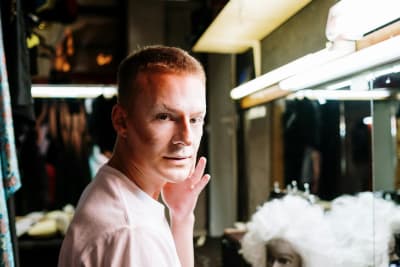
The hushed anticipation in the screening room, usually a sanctuary for celebrating new voices, was tinged with a palpable unease. Ryan O’Connell, fresh off the experience of seeing his reimagined 'Queer as Folk' series canceled after a single season on Peacock, found himself reflecting not just on his own project's fate, but on a broader trend he perceives within the industry. His observation, shared in a recent conversation with Out magazine, wasn't merely a personal grievance; it pointed to a potential contraction in the very space carved out for LGBTQ+ stories in mainstream media, a concern that resonates far beyond the confines of Hollywood. O’Connell’s critique centers on what he describes as a noticeable pullback from projects that authentically explore gay experiences. He articulates this shift with a stark, albeit colorful, analogy: "It’s Tim Allen’s world again and we’re just living in it." This sentiment captures a feeling of regression, suggesting that the hard-won visibility and the normalization of queer narratives are being overshadowed by a return to more conventional, potentially less inclusive, storytelling. The implication is that the progress achieved in recent years, allowing for a wider spectrum of identities and experiences to be depicted, might be faltering under renewed commercial or cultural pressures. This perceived retrenchment matters acutely now because it occurs at a time when representation is not just a matter of entertainment, but of social significance. For many in the LGBTQ+ community, particularly younger generations, seeing themselves reflected on screen is crucial for validation, understanding, and fostering a sense of belonging. The availability of diverse narratives combats isolation and can actively challenge harmful stereotypes. A reduction in such content could mean fewer touchstones for individuals navigating their own identities and fewer opportunities for broader society to engage with and empathize with LGBTQ+ lives, potentially exacerbating existing prejudices. The stakes are particularly high for creators and performers from marginalized communities. O’Connell himself experienced this tension when writing about his career for his new book, 'Inspiration Porn'. He revealed that an earlier draft of a chapter on Hollywood was filled with "anger and bitterness," reflecting the vulnerability of discussing professional setbacks and the feeling of being an outsider. This internal struggle highlights the immense effort and emotional toll involved in bringing authentic stories to fruition, especially when facing an industry that may not always be receptive to them. Beyond the creators, the ripple effects extend to audiences. For gay men, as O’Connell candidly discusses in relation to his book, there's an often-unacknowledged spectrum of lived experience that includes frank depictions of sexuality and relationships. He expresses a desire for "not holding back," pushing against a perceived tendency for some queer content to be "sanitized" or tailored to appeal to a heterosexual, often female, demographic. This suggests a demand for storytelling that embraces the full, sometimes messy, reality of queer existence, rather than a palatable, watered-down version. The economic and cultural forces at play are complex. While streaming platforms initially offered a more experimental ground for diverse content, the landscape is constantly shifting. Increased pressure for profitability, the consolidation of media companies, and a potential conservative backlash in the wider cultural climate could all contribute to studios becoming more risk-averse. Projects that might have found a home on a niche streamer a few years ago may now struggle to get greenlit, particularly if they don't promise broad, immediate commercial appeal. This situation prompts a re-evaluation of what constitutes success in media. Is it solely about box office numbers and broad demographic reach, or does it include the vital role of representation in fostering social understanding and validating diverse identities? The struggle for LGBTQ+ stories to find consistent platforms mirrors broader societal debates about inclusion and authenticity in public life. The concern is that a Hollywood that retreats from these narratives inadvertently signals that certain lives and experiences are less worthy of attention. Looking ahead, the trajectory of LGBTQ+ storytelling in mainstream media will likely depend on a confluence of factors: the continued advocacy of creators and industry allies, the audience's demonstrated willingness to support diverse content, and the evolving business models of production and distribution companies. The challenge for O’Connell and many others is to ensure that the progress made is not only preserved but expanded upon, creating a more inclusive and accurate reflection of the world we inhabit. What remains to be seen is whether the industry will embrace the full spectrum of human experience or revert to safer, more familiar, yet ultimately less representative, territory.
In Brief
Actor Ryan O'Connell observes a concerning trend of Hollywood reducing its output of authentic LGBTQ+ themed projects, sparking debate about representation and industry priorities.Advertisement




Comments
No comments yet. Be the first to comment!