
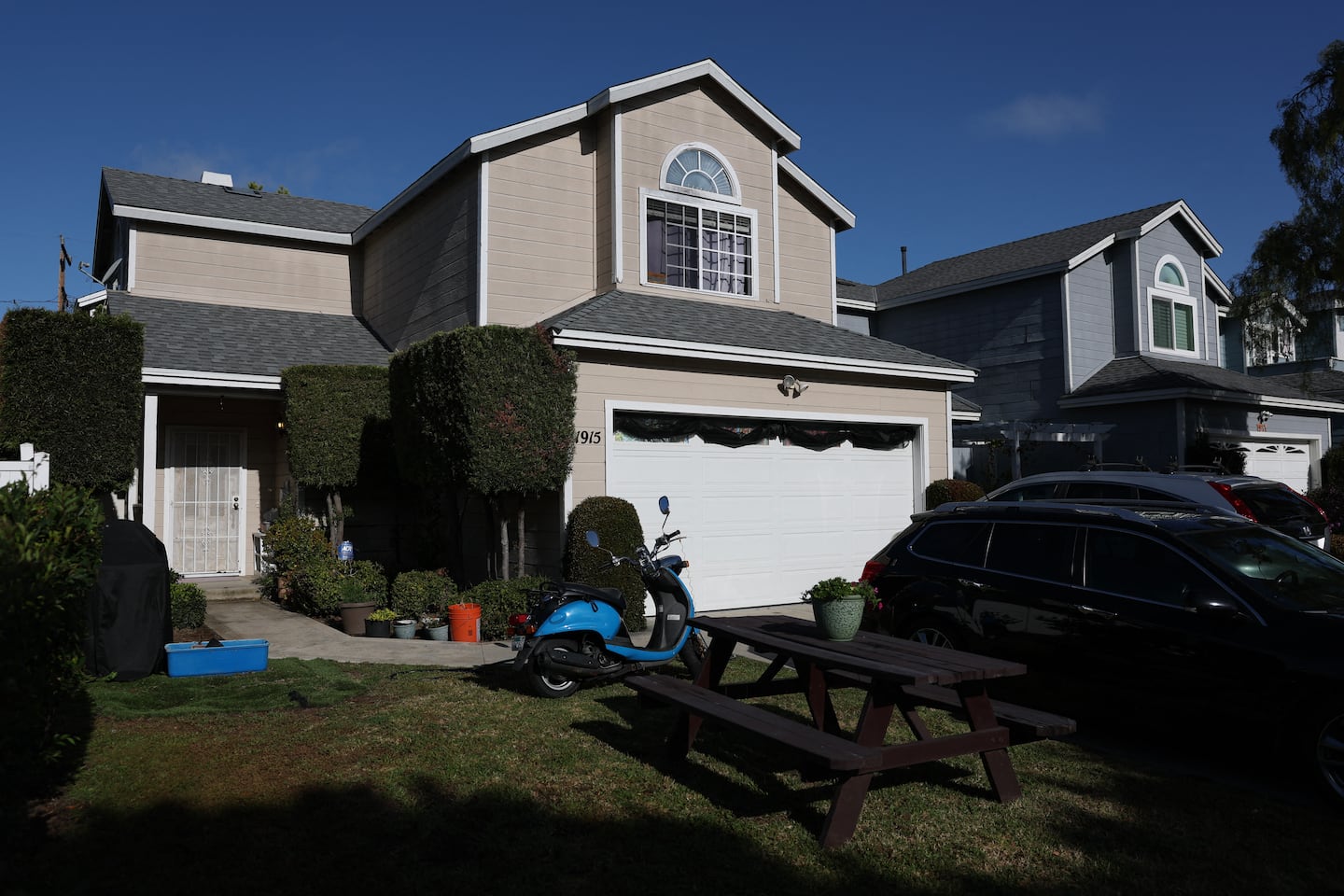
The glitz and glamour of Washington D.C.'s annual White House Correspondents' Association Dinner, a night typically reserved for bipartisan banter and celebrity sightings, was shattered by an act of violence that defied expectations. Attendees, including President Donald Trump and his senior administration officials, anticipated a familiar evening of political satire and networking. Instead, the focus abruptly shifted from wit to worry when a lone individual, later identified as 31-year-old Cole Tomas Allen of Torrance, California, allegedly opened fire. This incident marked a stark departure from the usual decorum, transforming a high-profile social event into the scene of a serious crime, leaving many questioning the security and the underlying currents that could lead to such an act. Allen, a man described by law enforcement officials as possessing a master's degree in computer science from California State University, Dominguez Hills, and a bachelor's degree in mechanical engineering from the prestigious California Institute of Technology, presented a profile far removed from the typical image associated with such a violent outburst. His educational background suggests a trajectory geared towards intellectual pursuits, a stark contrast to the alleged actions that unfolded. This disconnect between his academic achievements and the reported motivations behind the attack, which sources indicate were tied to opposition to current U.S. government policies, complicates the narrative and raises profound questions about the pressures and discontents that can fester beneath a veneer of societal success. Minutes before the alleged shooting, Allen reportedly sent writings to family members that described him as a "Friendly Federal Assassin." This chilling moniker, coupled with his stated opposition to recent U.S. government actions, offers a glimpse into a mind grappling with what he perceived as significant grievances. While the specific policies he opposed were not detailed by law enforcement, the context of the dinner itself—a gathering of the nation's press corps and political elite—suggests a potential target for his dissent. The law enforcement official, speaking anonymously due to the ongoing investigation, confirmed the nature of these communications, providing a crucial, albeit disturbing, piece of insight into the suspect's mindset. Further complicating the portrait of the alleged attacker is his political engagement. Campaign finance records reveal that Allen contributed $25 to a Democratic Party political action committee supporting Kamala Harris's presidential bid in 2024. Additionally, his family home displayed a yard sign endorsing a local judicial candidate backed by the Los Angeles County Democratic Party. These details paint a picture of someone who, while seemingly operating outside mainstream political circles, was not entirely disengaged from the political process, though his specific allegiances and the extent of his political disillusionment remain subjects of intense scrutiny. Adding to the complexity, investigators have detailed Allen's legal acquisition of firearms. Records indicate he legally purchased a .38-caliber semi-automatic pistol in October 2023 and a 12-gauge shotgun in the year prior. The legal acquisition of these weapons, juxtaposed with the alleged use of one in a politically charged environment, underscores the ongoing national debate surrounding gun control and the ease with which individuals can obtain firearms, regardless of their perceived background or stated intentions. What much of the initial coverage may have overlooked is the intricate tapestry of Allen's life that appears to have led to this precipice. His involvement in a campus Nerf gun battling group and a Christian student fellowship during his time at Caltech, alongside his family's apparent ties to a local Reformed Church, hint at a multifaceted individual whose path to this alleged act is far from straightforward. These seemingly disparate elements of his past offer a complex mosaic, suggesting that the motivations behind such an extreme act are rarely monolithic and often stem from a confluence of personal, ideological, and societal factors. The broader impact of this event extends beyond the immediate shockwaves felt in Washington D.C. It serves as a potent reminder of the vulnerabilities that exist even in heavily secured environments and the unpredictable nature of individual radicalization. The incident forces a re-examination of security protocols at high-profile events and prompts a deeper societal introspection into the causes of political alienation and the potential for discontent to manifest in violent ways. The convergence of political figures, media representatives, and alleged perpetrators of politically motivated violence at such a prominent venue amplifies the significance of this unsettling development. Moving forward, the investigation will undoubtedly delve deeper into Allen's digital footprint, his social interactions, and the specific triggers that may have contributed to his alleged actions. Authorities will seek to understand the full scope of his motivations and whether he acted alone or had any accomplices. The outcome of this inquiry will not only determine the legal consequences for Allen but also offer crucial insights into the evolving landscape of political extremism and the challenges of safeguarding democratic institutions and public safety in an increasingly polarized world. The nation will be watching to see how this case unfolds and what lessons can be gleaned from this disturbing episode.
In Brief
A highly educated Southern California man, identified as an alleged assailant at the White House Correspondents' Dinner, had a complex background that defied easy categorization. Investigators are piecing together his motivations.Advertisement




Comments
No comments yet. Be the first to comment!