


The Numbers
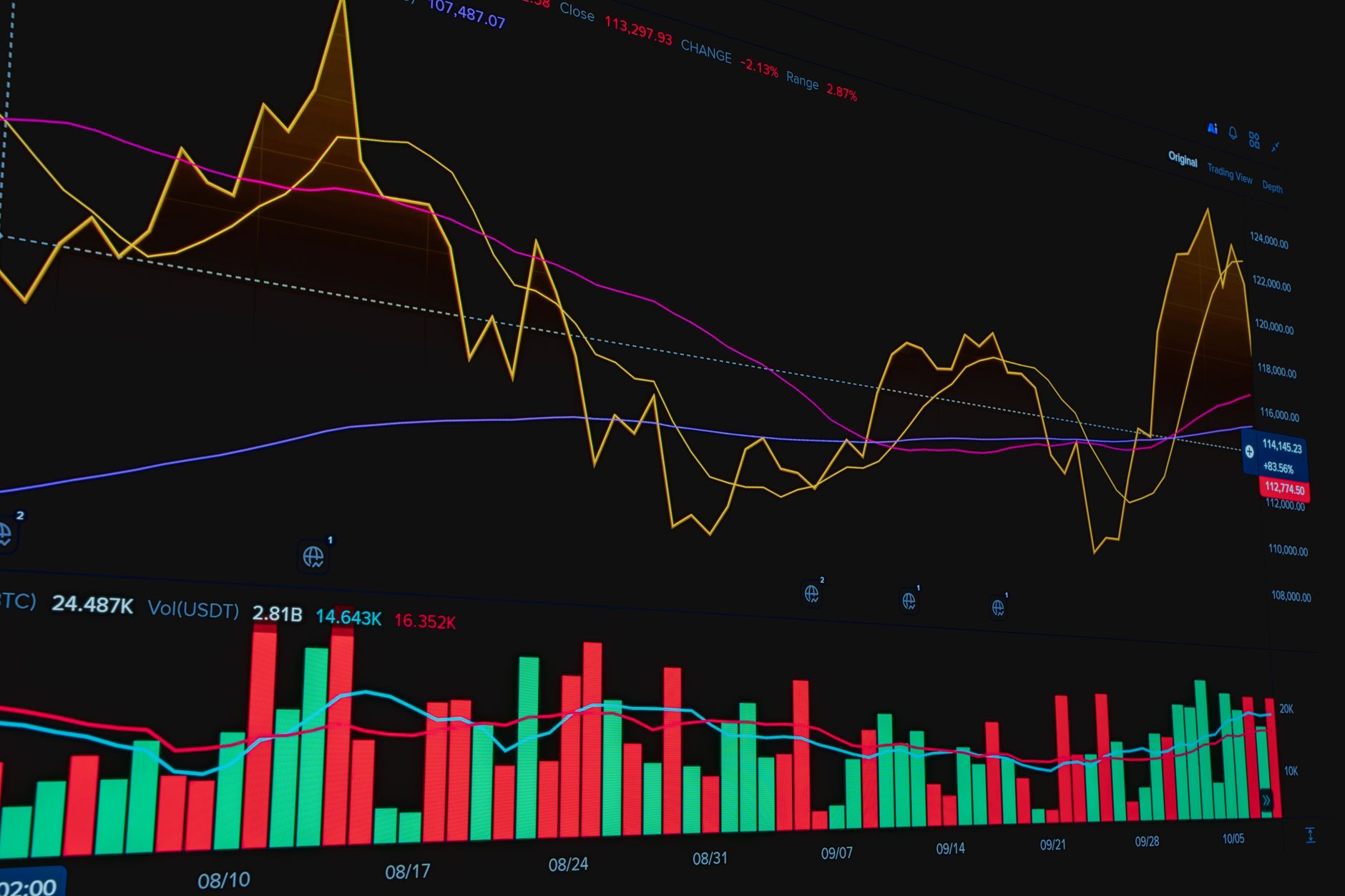
- Nasdaq Composite plummeted 579 points, a staggering 3.7% decline, marking its most significant single-day percentage drop in over a year and signaling profound investor unease.
- The broader S&P 500 index also registered substantial losses, shedding 2.5%, while the traditionally more stable Dow Jones Industrial Average fell 1.8%, indicating a widespread market correction beyond just tech.
- Prominent AI-centric stocks, including industry giants like Nvidia, Advanced Micro Devices (AMD), and Microsoft, experienced sharp declines ranging from 5% to a severe 8%, reflecting direct exposure to the AI valuation concerns.
- The collective market capitalization across the global technology sector evaporated by an estimated $500 billion within a mere 24-hour trading period, highlighting the immense scale of the sell-off.
- Trading volumes surged dramatically across major exchanges, a clear indicator of widespread panic selling and a rapid flight to safety among both institutional and retail investors.
- The Cboe Volatility Index (VIX), often referred to as the market's "fear gauge," spiked over 20%, reaching levels not seen in months and underscoring the sudden surge in investor anxiety and uncertainty.
- Semiconductor indices, critical bellwethers for AI hardware, saw their steepest one-day percentage drop since the early days of the pandemic, suggesting a fundamental re-evaluation of future growth projections.
- Technology exchange-traded funds (ETFs) experienced record outflows, as investors aggressively rebalanced portfolios away from high-growth, high-valuation assets towards more defensive positions.
Context Check
The recent market euphoria, particularly within the technology sector, has been overwhelmingly driven by the transformative promise of artificial intelligence. Companies pioneering generative AI, machine learning, and advanced analytics have seen their valuations skyrocket, often reaching unprecedented multiples based on future growth projections rather than immediate profitability. This speculative fervor has created an environment where investor sentiment, rather than fundamental earnings, dictates stock performance, leading to a precarious situation ripe for correction. The sheer pace of these gains has raised eyebrows among seasoned market observers, drawing parallels to past periods of irrational exuberance.
This rapid ascent in tech valuations has naturally ignited fears of an impending "AI bubble," reminiscent of the dot-com era of the late 1990s. During that period, many internet companies with little to no revenue commanded astronomical valuations before a dramatic collapse. While today's AI companies often possess robust underlying technologies and revenue streams, the speed and scale of their valuation increases, coupled with intense speculative trading, suggest a similar pattern of overextension. The core concern revolves around whether current prices accurately reflect sustainable future earnings or merely speculative hype that has outpaced tangible economic impact.
Furthermore, the broader macroeconomic landscape adds another layer of complexity to these market dynamics. Persistent inflation, coupled with the prospect of continued high interest rates from central banks globally, creates a less forgiving environment for high-growth, high-valuation stocks. Higher interest rates increase the cost of capital and make future earnings less valuable in present terms, inherently putting downward pressure on richly valued assets. This confluence of speculative enthusiasm in AI and a tightening monetary policy environment has set the stage for increased volatility and a potential re-evaluation of risk across the market.
Background
The meteoric rise of generative artificial intelligence over the past two years has fundamentally reshaped the technology landscape, igniting an investment frenzy unseen in decades. From large language models capable of human-like text generation to sophisticated image and video creation tools, AI's potential to revolutionize industries from healthcare to finance has captivated imaginations and capital alike. Major tech behemoths, alongside a burgeoning ecosystem of startups, have poured billions into AI research, development, and infrastructure, creating an intense arms race for dominance. This relentless pursuit of AI supremacy has fueled investor optimism, propelling the stock prices of companies perceived as leaders in the field to dizzying heights.
This period of intense growth and speculation has been heavily influenced by both institutional and retail investor behavior. Large investment funds, eager to capitalize on the next big technological wave, have aggressively allocated capital to AI-related equities, often driving up demand and prices. Simultaneously, the accessibility of trading platforms and the pervasive influence of financial social media have drawn a new generation of retail investors into the AI narrative, many of whom are chasing quick gains without fully assessing underlying risks. This collective enthusiasm, while understandable given AI's transformative potential, has contributed to a market environment where valuation metrics can sometimes become secondary to momentum.
History offers numerous cautionary tales of market corrections following periods of intense speculative bubbles. From the Dutch Tulip Mania in the 17th century to the dot-com bust of the early 2000s, patterns of overinvestment in emerging technologies, driven by unrealistic expectations and herd mentality, have consistently led to significant market downturns. While each era presents unique circumstances, the underlying psychological drivers of fear of missing out (FOMO) and the belief that "this time is different" often pave the way for eventual re-calibration. The recent Nasdaq plunge serves as a stark reminder that even the most promising technological advancements are not immune to the fundamental laws of market cycles and valuation reality checks.
Winners and Losers
The immediate aftermath of the AI bubble fear sell-off saw a clear delineation between the market's "losers." Unsurprisingly, companies directly tied to the AI growth narrative bore the brunt of the downturn. AI chipmakers like Nvidia, which had seen astronomical gains, experienced significant corrections as investors questioned their future growth trajectory and current valuations. Similarly, software companies heavily invested in AI development and cloud providers facilitating AI infrastructure, such as Microsoft and Alphabet (Google), also saw their stock prices tumble. These firms, once market darlings, faced intense selling pressure as the speculative premium embedded in their shares began to deflate.
Conversely, the market correction provided a relative safe haven for certain sectors, effectively positioning them as "winners" or, more accurately, less affected entities. Value stocks, which have lagged behind growth stocks for much of the past decade, found renewed interest as investors rotated out of high-risk assets. Defensive sectors, including utilities, consumer staples, and healthcare, demonstrated greater resilience, often experiencing minimal declines or even modest gains. These sectors are typically less sensitive to economic cycles and speculative fads, offering stability during periods of heightened market uncertainty. This shift reflects a broader investor preference for tangible earnings and consistent dividends over speculative future potential.
The sell-off also highlighted a significant shift in overall market sentiment, moving away from an almost singular focus on growth at any cost towards a more balanced appreciation for fundamental value and risk management. Companies with strong balance sheets, consistent profitability, and reasonable valuations, regardless of their direct AI exposure, are now being re-evaluated more favorably. This rotation suggests that investors are becoming more discerning, prioritizing financial prudence and sustainable business models over the allure of rapid, potentially unsustainable, expansion. While the long-term potential of AI remains undeniable, the market is signaling a demand for more grounded valuations.
Analyst Perspectives
Financial analysts and economists are currently divided on the implications of the recent tech market downturn. A significant portion views this as a healthy, albeit sharp, correction necessary to wring out some of the excessive speculation that had built up around AI valuations. They argue that a temporary pullback allows the market to recalibrate, aligning stock prices more closely with fundamental earnings potential rather than pure hype. This perspective suggests that while painful in the short term, such corrections are vital for the long-term health and stability of the market, preventing a more catastrophic collapse down the line.
However, a vocal contingent of experts warns that the current situation could be indicative of deeper, more systemic issues. Concerns are being raised about the sustainability of earnings for many AI companies, particularly those whose valuations are predicated on future technological breakthroughs that may not materialize as quickly or profitably as anticipated. Some economists are drawing stark comparisons to historical bubbles, citing similar patterns of rapid asset appreciation followed by sharp declines when investor confidence wavers. These analysts caution that if the underlying economic conditions or corporate earnings fail to support current valuations, further significant market corrections could be on the horizon.
Despite the immediate volatility, there is a broad consensus among experts regarding the long-term transformative potential of artificial intelligence. Most analysts agree that AI is not merely a fad but a foundational technology poised to drive innovation and productivity across numerous sectors for decades to come. The debate centers less on AI's eventual impact and more on the appropriate valuation metrics and investment timelines. While short-term market fluctuations are inevitable as investors grapple with the technology's integration and profitability, the underlying technological advancements continue to progress, suggesting that strategic, long-term investments in genuinely innovative AI firms may still yield substantial returns once the current speculative froth subsides.

Key Questions Explained
The Outlook
The immediate outlook for the technology sector, particularly for AI-related stocks, suggests a period of continued volatility and potential re-calibration. Investors are likely to remain cautious, scrutinizing earnings reports and future guidance with increased skepticism. The days of indiscriminate buying based solely on AI potential may be giving way to a more discerning approach, where fundamental metrics like profitability, market share, and sustainable competitive advantages take precedence. This shift could lead to further price adjustments for companies whose valuations have outpaced their tangible financial performance, creating a more challenging environment for speculative growth stocks.
Despite the current market jitters, the long-term trajectory of artificial intelligence as a transformative technology remains overwhelmingly positive. AI's potential to enhance productivity, drive innovation, and solve complex global challenges is undisputed. However, the path to realizing this potential will likely be characterized by periods of both rapid growth and necessary corrections, as the market matures and distinguishes between genuine innovation and fleeting hype. Companies with robust research and development, strong intellectual property, and clear pathways to monetizing their AI capabilities are best positioned to thrive beyond the current volatility, ultimately delivering long-term value to patient investors.
Moving forward, market participants will be closely watching for several key indicators. These include the Federal Reserve's stance on interest rates, which directly impacts the valuation of growth stocks, and the actual earnings performance of major AI players, which will either validate or undermine current market expectations. Additionally, any significant regulatory developments concerning AI governance and ethics could introduce new variables into the investment landscape. Investors should prepare for a more nuanced market environment, where careful selection, diversification, and a long-term perspective will be more critical than ever in navigating the evolving AI investment frontier.

















Comments
No comments yet. Be the first to comment!